No products in the cart.

Waymo’s Growth Exposes New Autonomous Vehicle Challenges
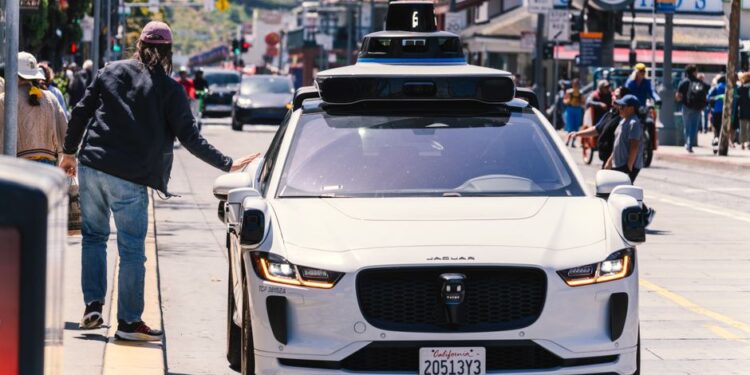
Waymo's expanding fleet of driverless cars brings forth unique challenges for engineers and urban planners. As the company navigates new edge cases, the need for specialized training and infrastructure adaptation becomes critical for safety and efficiency.

Waymo is rapidly increasing its fleet of driverless cars across the United States, now operating in 15 cities. This expansion signifies a crucial shift in the landscape of autonomous driving. As the company encounters new and unexpected driving scenarios, known as edge cases, the implications for engineers and urban planners are profound.
The growth of Waymo’s services is not just about numbers; it’s about the complexity of operating fully autonomous vehicles in diverse urban environments. Each new city presents unique challenges, from unusual traffic patterns to unpredictable pedestrian behaviors. This is pushing the boundaries of what autonomous systems can handle and highlighting the urgent need for specialized training in AI systems.
New Challenges for Engineers in Handling Edge Cases
Waymo’s expansion has resulted in a significant increase in the variety of edge cases its vehicles encounter. These edge cases include rare but critical scenarios that the AI must navigate, such as sudden road closures, unexpected construction zones, and complex interactions with human drivers. Career Ahead’s analysis identifies that engineers skilled in machine learning and AI are now more crucial than ever to develop robust algorithms that can learn from these scenarios.
According to data from Axis Intelligence, as Waymo’s fleet grows, the number of edge cases reported has increased by over 30% in the last year alone. This surge requires engineers not only to address existing challenges but also to anticipate future scenarios that the vehicles may face. The demand for engineers who can think creatively and adapt quickly is escalating.
Furthermore, as highlighted by TechCrunch, the complexity of these edge cases is forcing engineers to collaborate closely with urban planners. This interdisciplinary approach is essential to ensure that the vehicles can safely navigate environments that may not have been designed with autonomous technology in mind. Engineers must now consider how their algorithms interact with the physical infrastructure of cities.
Career Ahead research finds that the need for specialized training programs in AI and machine learning is paramount.
Career Ahead research finds that the need for specialized training programs in AI and machine learning is paramount. Educational institutions and training programs must adapt to prepare the next generation of engineers to tackle these unique challenges. The focus should be on practical applications of AI in real-world scenarios, which will better equip engineers for their roles in this evolving field.
Urban Planning Adaptations for Autonomous Vehicles
As Waymo’s driverless cars become more prevalent, urban planners face the challenge of adapting city infrastructure to accommodate this new technology. This includes redesigning intersections, adding dedicated lanes, and improving signage to ensure that both autonomous vehicles and human drivers can coexist safely.
For instance, cities like San Francisco are already experimenting with dedicated lanes for autonomous vehicles, which can help reduce confusion and improve traffic flow. Career Ahead’s analysis indicates that urban planners must prioritize these adaptations to enhance safety and efficiency. The integration of autonomous vehicles into existing traffic systems requires innovative solutions that consider both current and future transportation needs.
Moreover, the regulatory landscape around autonomous vehicles is still evolving. Urban planners must work alongside policymakers to establish guidelines that ensure safety while promoting innovation. This collaboration is vital as cities look to balance the benefits of autonomous technology with public safety concerns.
As reported by Business Insider, the potential for increased ridership and reduced traffic congestion is significant. However, without proper planning and infrastructure, these benefits may not be fully realized. Urban planners must engage with engineers to create a seamless integration of autonomous vehicles into the urban fabric.
Planners need access to real-time data from autonomous vehicles to make informed decisions about infrastructure changes.
The role of data in this transition cannot be overstated. Planners need access to real-time data from autonomous vehicles to make informed decisions about infrastructure changes. This data can help identify problem areas and predict how autonomous vehicles will interact with existing traffic patterns.
Safety Protocols and Regulatory Compliance in Autonomous Driving
Safety remains a top priority as Waymo expands its services. The company has implemented rigorous safety protocols to mitigate risks associated with edge cases. These protocols include extensive testing in various environments and ongoing monitoring of vehicle performance.
Career Ahead analysis shows that regulatory compliance is also a critical factor in the deployment of autonomous vehicles. As more cities welcome driverless cars, regulations will need to be updated to address the unique challenges posed by these vehicles. This includes establishing standards for safety, liability, and data privacy.
Waymo is actively working with local governments to ensure compliance with existing regulations while advocating for new policies that support the safe deployment of autonomous technology. This proactive approach is essential in building public trust and ensuring that safety remains at the forefront of the autonomous vehicle discussion.
Moreover, the public perception of autonomous vehicles will play a significant role in their acceptance. Education campaigns that inform the public about the safety measures in place and the benefits of autonomous technology are crucial. As highlighted by Forbes, addressing public concerns will be key to the widespread adoption of these vehicles.
Waymo’s rapid expansion raises important questions about the future of autonomous driving.
Ultimately, the intersection of safety, engineering, and urban planning will define the future of autonomous vehicles. As Waymo continues to grow, the collaboration between these fields will be vital in navigating the complexities of edge cases and ensuring a safe, efficient transportation system.
Waymo’s rapid expansion raises important questions about the future of autonomous driving. As engineers develop solutions for new edge cases and urban planners adapt infrastructure, how will these developments shape the landscape of transportation in the coming years?
Frequently Asked Questions
What are the most common edge cases for autonomous vehicles?
The most common edge cases for autonomous vehicles include unexpected road closures, erratic pedestrian behavior, and complex traffic scenarios. These situations require advanced algorithms to ensure safe navigation.
How can urban planners prepare for the rise of driverless cars?
Urban planners can prepare by redesigning infrastructure to accommodate autonomous vehicles, such as dedicated lanes and improved signage. Collaboration with engineers is essential to create safe environments for both autonomous and human drivers.
What skills should autonomous vehicle engineers develop to handle new challenges?
Engineers should focus on machine learning and AI algorithm development, particularly in real-world applications. Understanding urban planning principles will also be beneficial as they work alongside planners to address edge cases.
Related Articles
- China Invests in AI Stocks for Tech Supremacy | Career Outlook
Written by Career Ahead AI. AI can make mistakes, so verify key facts. Report errors to support@careeraheadonline.com.