No products in the cart.

French Students Decode Career Ambiguities Annually | Career Outlook

Philosophy exams in France are not just academic hurdles; they represent a deep-rooted tradition in the French education system.

France recently held its annual high school philosophy exam. This exam is a key moment for students. This year, the focus was on Friedrich Nietzsche’s 1878 work, Human, All Too Human. This choice highlights the role of philosophy in helping students think critically. These skills are vital for their future studies and careers.
Philosophy exams in France are more than just tests; they are a cherished tradition. These exams push students to engage with complex ideas and express their thoughts clearly. Including Nietzsche in this year’s exam shows a commitment to fostering critical thinking. This skill is essential in our fast-changing world. The New York Times notes that the philosophy exam helps students tackle deep questions about existence, morality, and humanity.
Nietzsche’s Influence on Modern Thought
Friedrich Nietzsche’s ideas have greatly shaped modern thought. His work influences psychology, literature, and ethics. Nietzsche challenges traditional morality and urges people to question norms. For French high school students, studying Nietzsche allows them to explore individuality, morality, and existence. His focus on the ‘will to power’ connects with current discussions about personal agency and societal expectations.
In Human, All Too Human, Nietzsche critiques traditional philosophy and introduces the ‘free spirit.’ This idea encourages students to think for themselves and form their own views. As they wrestle with Nietzsche’s challenging concepts, students sharpen their analytical skills. These skills are crucial for success in higher education and beyond. Examining Nietzsche’s work not only boosts critical thinking but also sparks intellectual curiosity. This prompts students to question their beliefs and the world around them.
These skills are crucial for success in higher education and beyond.
You may also like
 Education & University Insights
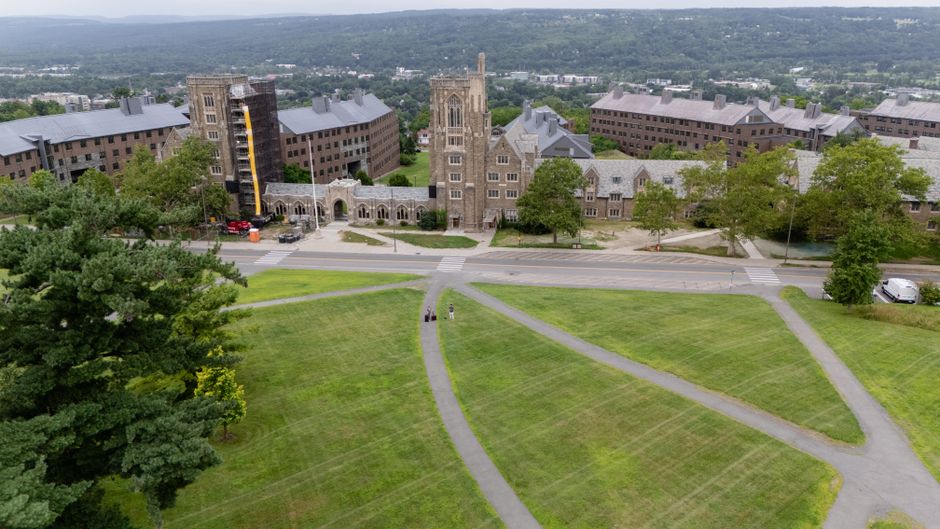
Cornell President Calls Rape Inquiry ‘Defining Moment’ for Campus | Career Outlook
Cornell University's president, Michael Kotlikoff, has labeled the ongoing rape inquiry a 'defining moment' for the institution, emphasizing the need for significant changes in campus…
Read More →According to Career Ahead, exposure to Nietzsche’s themes in the exam helps students develop critical thinking skills. These skills are useful in academics and vital for personal and professional decisions. As students learn to navigate complex philosophical arguments, they become better equipped for modern challenges. The ability to evaluate information critically and build strong arguments is increasingly important. A report by Elearning French highlights the value of analytical reasoning in today’s job market.
Moreover, Nietzsche’s focus on individual agency aligns with today’s emphasis on personal empowerment. By studying Nietzsche, students learn to take ownership of their thoughts and beliefs. This fosters a sense of empowerment that is essential for their future. Engaging with philosophy prepares students for exams and gives them tools to handle life’s complexities.
The Importance of Philosophy Exams in Education
The philosophy exam is a key part of the French education system. It assesses students’ abilities to think critically and express their ideas. These exams require students to combine knowledge from various fields like history, literature, and ethics. This interdisciplinary approach enriches their understanding of philosophical concepts and prepares them for real-world issues. The integration of diverse subjects reflects a holistic educational philosophy that values critical engagement.
Career Ahead research shows that students who excel in philosophy exams often do better in higher education.
Philosophy exams evaluate students’ reasoning, argumentation, and analytical skills. By tackling difficult texts and forming coherent arguments, students learn to think critically about many topics. This skill set is increasingly important in today’s job market. Employers seek individuals who can analyze information and make informed decisions. The French education system emphasizes these skills to meet the demands of a changing global landscape.
You may also like
 Education & University Insights
Ambedkar University Updates PhD Fellowship Guidelines
Ambedkar University has revised its PhD fellowship guidelines, easing attendance requirements following significant student protests. The changes reflect a growing trend in higher education where…
Read More →Career Ahead research shows that students who excel in philosophy exams often do better in higher education. The ability to critically evaluate information and create persuasive arguments is highly valued in universities. As students transition to higher education, the skills gained from philosophy exams become invaluable. Furthermore, the focus on philosophical education in France reflects a commitment to nurturing informed citizens. By encouraging students to engage with complex ideas, the education system aims to produce individuals who can contribute meaningfully to society. This aligns with the goals of fostering civic engagement and promoting democratic values.

In the context of global education trends, the French philosophy exam stands out as a model for integrating critical thinking into the curriculum. Other countries could benefit from adopting similar approaches. Recognizing the importance of philosophical inquiry can help shape well-rounded individuals. As students prepare for their philosophy exams, they are not just studying for a test. They are engaging in a transformative process that shapes their intellectual growth. The lessons learned from Nietzsche and other philosophers will influence their perspectives and decision-making throughout their lives.
As education evolves, it will be interesting to see how philosophy shapes future thinkers and leaders. Will more countries recognize the value of philosophical inquiry in education? How will this affect student outcomes in the future? The ongoing focus on philosophy in the French education system highlights the need for thoughtful, engaged citizens. These individuals will be equipped to navigate the complexities of modern life.
To study effectively for the philosophy exam on Nietzsche, students should read Human, All Too Human carefully.
Frequently Asked Questions
What topics are commonly covered in the French high school philosophy exam?
The French high school philosophy exam covers topics like ethics, metaphysics, and political philosophy. Students often analyze texts from influential philosophers such as Nietzsche, Descartes, and Kant.
How can I effectively study for the philosophy exam focusing on Nietzsche?
To study effectively for the philosophy exam on Nietzsche, students should read Human, All Too Human carefully. Engaging with its key themes and discussing them with peers or teachers can enhance understanding.

What skills does the philosophy exam aim to develop in students?
The philosophy exam aims to develop critical thinking, analytical reasoning, and effective communication skills. These competencies are essential for academic success and are highly valued in the job market.
You may also like
 Education & University Insights
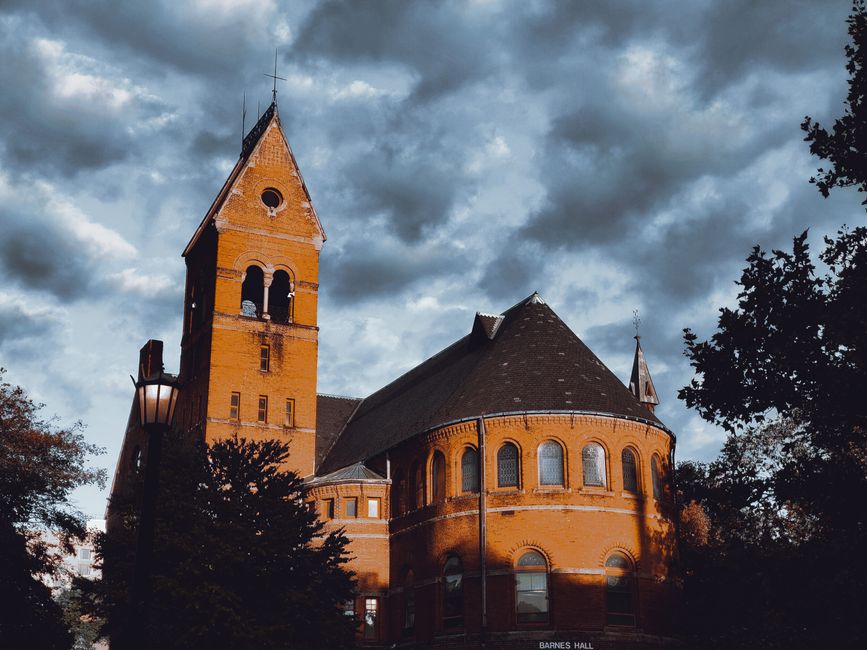
Cornell University Faces Nightlife Challenges Amid Recent Turmoil
Cornell University is grappling with a decline in student nightlife and social engagement following serious allegations on campus. This shift not only affects student life…
Read More →