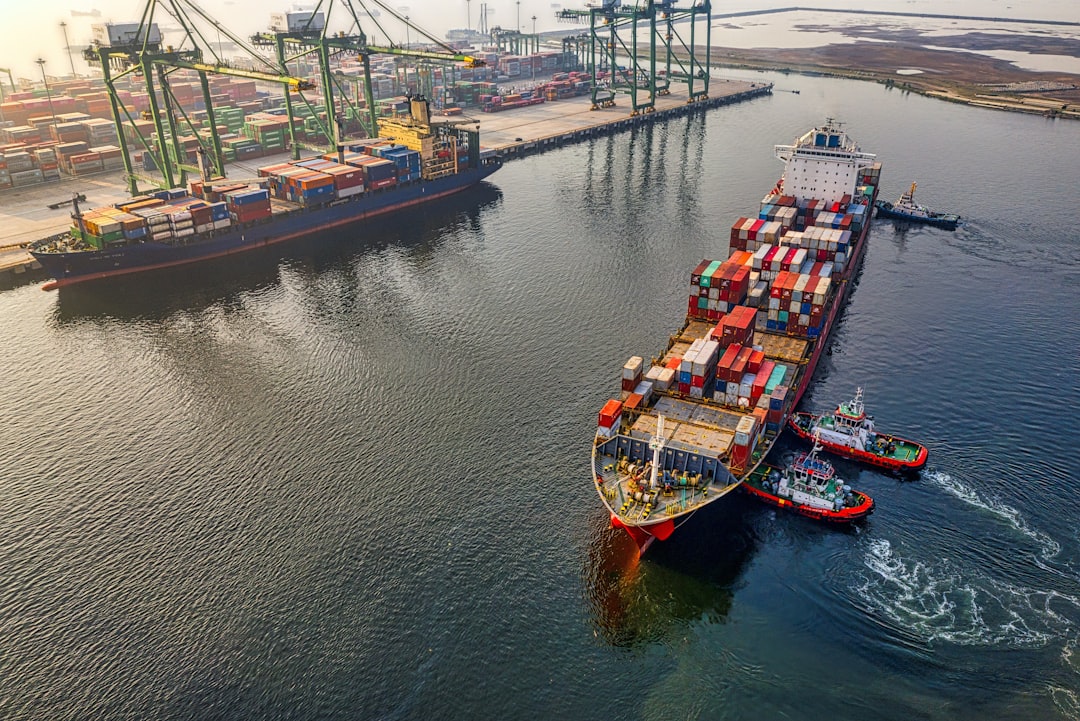
Recent attacks attributed to Houthi forces have escalated tensions in the Middle East, prompting shipping companies to reevaluate their operational protocols and security measures.
Recent attacks on oil tankers in the Strait of Hormuz and the Bab al-Mandab strait are raising risks and insurance costs for oil tanker operations. These incidents have disrupted vessel passage in critical shipping lanes, impacting global oil supply chains.
The latest attacks, linked to Houthi forces, have increased tensions in the region. Shipping companies are now reevaluating their operational protocols. This is concerning because the Strait of Hormuz is a key route for oil transport, with about 20% of the world’s oil passing through it. A report by The New York Times states that the frequency of these attacks has risen, causing fears among shipping companies about the safety of their vessels and crews.
Increased Insurance Premiums for Oil Tanker Operations
As a result of the recent maritime attacks, insurance premiums for oil tankers in the region have surged. Career Ahead’s analysis shows that insurers are changing their risk assessments, leading to higher costs for shipping companies. Reports indicate that premiums have increased by as much as 25% due to the heightened risk. This rise in insurance costs adds financial pressure on shipping logistics managers and oil tanker captains. Many companies now face the challenge of balancing operational costs while ensuring the safety of their crews and cargo. Rising premiums may force some operators to change their routes or suspend operations in the most dangerous areas.
Additionally, the World Bank’s Global Supply Chain Stress Index shows that disruptions in shipping routes can have wider economic effects. As oil prices fluctuate due to supply uncertainties, the entire logistics chain may feel the strain. This affects everything from shipping schedules to fuel prices. The rising costs are not just a burden on shipping companies; they could also lead to higher prices for consumers at the pump and for goods that rely on oil transportation.
Shipping companies are now looking for alternatives to reduce these risks. Some are investing in better security measures, including onboard security teams and advanced tracking technologies. These steps aim to reassure insurers and maintain operational continuity. Proactive measures are crucial in a landscape where traditional insurance models may no longer work. The need for comprehensive risk management is clear, as highlighted by FreightWaves, which notes that the situation for shipping lines is becoming more dire.
India's Unified Payments Interface (UPI) transactions grew by 27% in the first half of 2026, reaching 145 billion transactions. This growth reflects a strong demand…
Proactive measures are crucial in a landscape where traditional insurance models may no longer work.
Enhanced Security Protocols in Shipping Logistics
The rising risks in the Middle East have led shipping logistics managers to adopt enhanced security protocols. Career Ahead research shows that shipping companies are increasingly using comprehensive risk management strategies to protect their vessels and crews. This includes real-time intelligence sharing and collaboration with maritime security agencies. Advanced technologies like drone surveillance and satellite tracking systems are becoming standard. These technologies give shipping companies critical situational awareness, allowing them to respond quickly to potential threats. For oil tanker captains, this means a greater sense of security while navigating volatile waters.
Moreover, shipping logistics managers are prioritizing training and preparedness. Regular drills and simulations are now part of standard procedures, ensuring crews are ready for various scenarios, including piracy and military confrontations. This proactive security culture is essential for safeguarding assets and personnel. However, implementing these measures comes at a cost. Companies must weigh the expenses of enhanced security against potential losses from successful attacks. This ongoing tension highlights the need for a strategic approach to risk management in the shipping industry.
As the geopolitical landscape remains uncertain, shipping logistics managers must stay updated on regional developments. Continuous monitoring of threat levels and adjusting operational plans will be vital for navigating maritime security complexities. The situation is further complicated by potential international sanctions and military responses, which could change shipping routes and operational feasibility. The World Bank’s analysis notes that disruptions in one region can have widespread effects, making it crucial for shipping companies to remain agile and responsive.
In summary, the recent attacks on oil tankers in the Middle East have significant implications for shipping logistics and oil transportation. Rising insurance costs, enhanced security protocols, and potential rerouting of shipments will shape future operations in this critical region. With tensions likely to persist, how will shipping companies adapt their strategies to ensure safe and efficient oil transport? This question remains central as the industry faces the evolving landscape of maritime security.
The recent leadership change at Warner Studios, involving the integration of Paramount executives, is set to reshape production strategies and project approvals, signaling a shift…
Companies must weigh the expenses of enhanced security against potential losses from successful attacks.
Frequently Asked Questions
What new security measures are being implemented for oil tanker captains in the Strait of Hormuz?
Career Ahead’s analysis shows that oil tanker captains are now using advanced surveillance technologies and conducting regular training drills. These measures aim to enhance situational awareness and prepare crews for potential threats in volatile waters.
How should shipping logistics managers adapt to increased risks in oil transportation?
Shipping logistics managers must focus on comprehensive risk management strategies. This includes real-time intelligence sharing and collaboration with maritime security agencies. Adopting advanced technologies and training crews are essential steps to mitigate risks.
What should oil tanker captains do about rising insurance costs due to shipping risks?
With rising insurance premiums, oil tanker captains should explore enhanced security measures and operational adjustments. Working with shipping companies to implement effective risk management strategies can help reduce the financial impact of increased insurance costs.



Industry & Global Trends
Industry & Global Trends