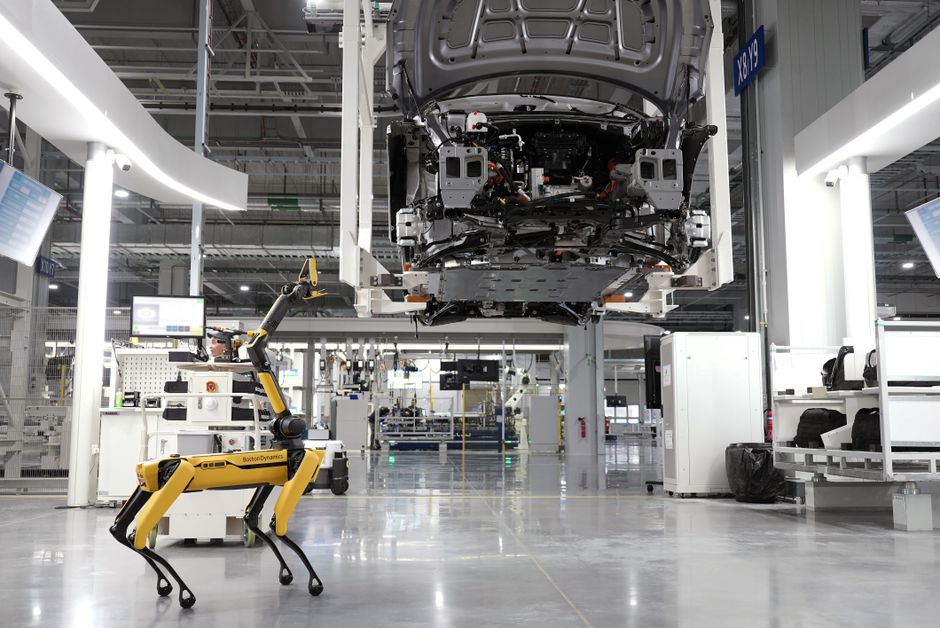
India’s industrial sector is changing as artificial intelligence (AI) moves from factory floors to boardrooms. At the recent Industrial Leadership Summit in Pune, experts discussed how AI is reshaping product design, operations, and business strategy. This trend shows that industrial companies are connecting engineering, operations, and decision-making through advanced AI technologies.
During the summit, Manpreet Singh Ahuja, chief clients and industries officer at PwC India, stressed the need for companies to rethink their operating models. He pointed out that simply adding AI to existing processes is not enough. Organizations must transform how they operate to harness AI’s full potential. PwC found that 50% of industrial leaders expect highly automated processes by 2030, up from the current 18%. This shift is not just about technology; it requires a complete re-evaluation of business strategies to integrate AI effectively.
AI’s role in decision-making is not just a technical upgrade; it represents a major change in how businesses view technology. As Ahuja stated, “AI fundamentally is transforming intelligence. If you don’t rewire your factory around that intelligence, you’re missing the opportunity.” This highlights the urgency for companies to adapt their strategies to leverage AI effectively. The summit also emphasized that AI should be a key topic in boardroom discussions. Executives are realizing that AI investments must start with addressing specific business problems, not just focusing on the technology itself. This approach is crucial for ensuring that AI investments lead to measurable business outcomes.
AI’s Role in Enhancing Operational Efficiency
As AI systems evolve, their capabilities go beyond data analysis to making autonomous decisions. This raises important questions about accountability and governance within organizations. At the summit, experts noted that as AI takes on more decision-making roles, companies must create clear accountability frameworks. Deepak N G, managing director of Dassault Systèmes in India, emphasized the need to embed governance into AI systems from the start. This proactive approach is essential as organizations face the complexities of AI’s increasing autonomy.
At the summit, experts noted that as AI takes on more decision-making roles, companies must create clear accountability frameworks.
For factory managers, adopting AI tools can greatly boost productivity and operational efficiency. AI technologies can optimize supply chain management, predict equipment failures, and streamline manufacturing processes. For example, AI models used by companies like Adani Group forecast component availability for large solar projects, helping to ease supply chain issues. This predictive ability not only improves efficiency but also allows companies to respond quickly to market demands, enhancing their competitive edge.
 Industry & Global Trends
Agarwal Says India Can Attract Data Centre Investment
Agarwal cites data-centre construction costs around half the US and Europe level, renewable energy, a 1.5 billion population and coastline.
Read More →Career Ahead’s analysis shows that the growing reliance on AI in manufacturing requires a shift in skills for factory managers. As AI systems become more integrated into daily tasks, managers will need to understand AI technologies and their applications better. This skill enhancement is vital for navigating the evolving landscape of industrial AI. Moreover, integrating AI into manufacturing is expected to create new roles and responsibilities. As companies adopt advanced technologies, the demand for AI-skilled professionals will rise, highlighting a potential skill gap in the current workforce. Ongoing training in AI-related skills will be essential.
Furthermore, summit discussions revealed that AI’s role goes beyond operational efficiency; it also drives innovation. By using AI for product development, companies can speed up their design processes, leading to faster time-to-market for new products. This is especially important in industries where consumer preferences change quickly, requiring agile responses from manufacturers.
Strategic Implications for Executives
Executives in manufacturing face a unique challenge as they adapt to AI’s growing influence on business strategies. The shift from traditional decision-making to data-driven insights requires leaders to adopt a new mindset. Summit discussions highlighted that executives must consider not only the return on investment from AI but also the risks of inaction. The conversation around AI in the boardroom is changing. Executives are now asking, “What could our business become if we built it around AI?” This question reflects a strategic shift where AI is seen not just as a tool for efficiency but as a driver of innovation and growth. As companies design their operations around AI capabilities, the potential for transformation is vast.
Executives are now asking, “What could our business become if we built it around AI?” This question reflects a strategic shift where AI is seen not just as a tool for efficiency but as a driver of innovation and growth.
Moreover, integrating AI into strategic decision-making is expected to enhance resilience within organizations. With AI’s ability to analyze large amounts of data and generate insights, companies can better anticipate market trends and respond proactively to challenges. This agility will be crucial in a competitive landscape. A report by Mint noted that industrial companies are moving from isolated AI experiments to connecting engineering, operations, and business decisions. Boards are focusing on growth, resilience, and accountability. This holistic approach to AI integration is vital for fostering a culture of innovation and adaptability.
 Industry & Global Trends
Tech Layoffs Near 196,000 Globally in 2026
Nearly 196,000 tech professionals were laid off globally by late October 2026. May saw about 29,000 jobs eliminated in a single month.
Read More →As the manufacturing sector evolves, AI’s role will expand. Executives must stay updated on emerging technologies and trends to remain competitive. The ongoing dialogue about AI’s impact on business strategy will shape the future of manufacturing in India. Leaders must actively engage with these developments. The implications of AI’s integration into manufacturing are profound. As companies rely more on AI for decision-making, the workforce landscape will change. Executives and factory managers must be ready to embrace these changes to ensure their organizations thrive in an AI-driven future.
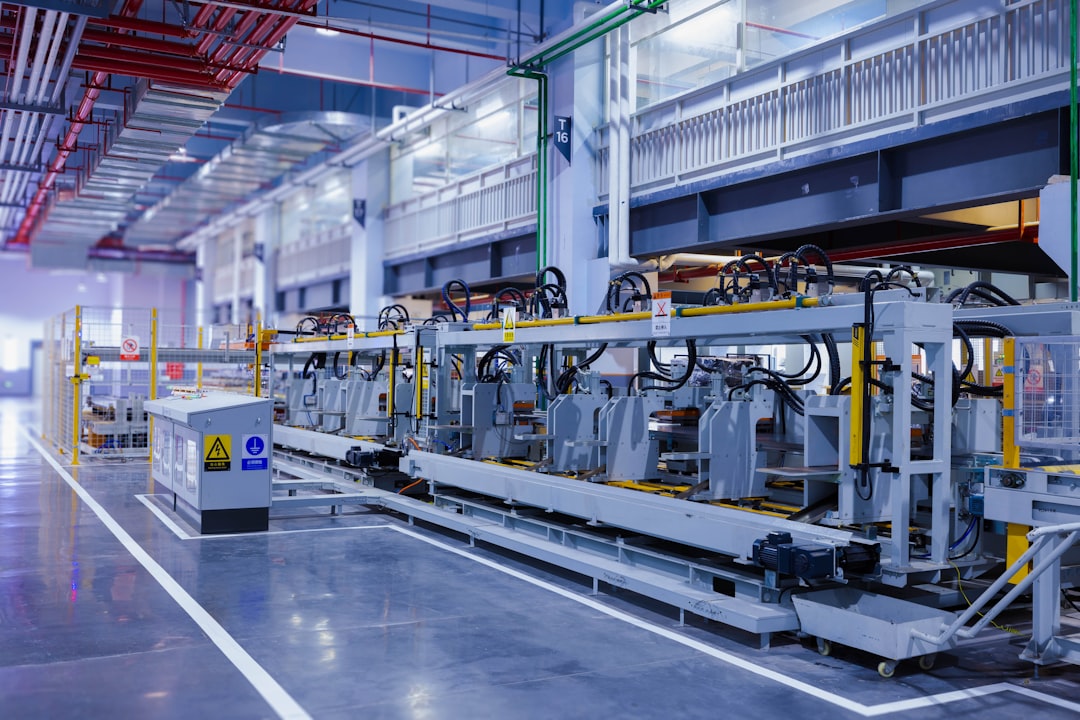
Looking ahead, the key question is: how will companies balance rapid AI adoption with accountability and governance? As industrial AI reshapes the sector, the answers to these questions will define the future of manufacturing in India.
Frequently Asked Questions
What AI tools can factory managers implement to enhance productivity?
Factory managers can use AI tools for predictive maintenance, supply chain optimization, and process automation. These technologies improve efficiency and reduce downtime, leading to increased productivity.
Additionally, skills in project management and an understanding of the manufacturing process will be crucial for success.
How should executives in manufacturing prepare for the integration of AI?
Executives should focus on understanding AI’s strategic implications and invest in training for their teams. By fostering a culture of innovation and adaptability, leaders can better navigate the challenges and opportunities presented by AI.

What skills are necessary for industrial AI engineers to succeed in this evolving landscape?
Industrial AI engineers should have a strong foundation in machine learning, data analysis, and programming languages. Additionally, skills in project management and an understanding of the manufacturing process will be crucial for success.
 Industry & Global Trends
GIFT City Funds: Minimums, Tax and Returns Compared
GIFT City funds use a separate regulatory framework and offer investment options with different minimums, tax treatment and performance.
Read More →Written by Career Ahead AI. AI can make mistakes, so verify key facts. Report errors to support@careeraheadonline.com.