No products in the cart.

Samsung Boosts Robotics with Boston Dynamics Veteran
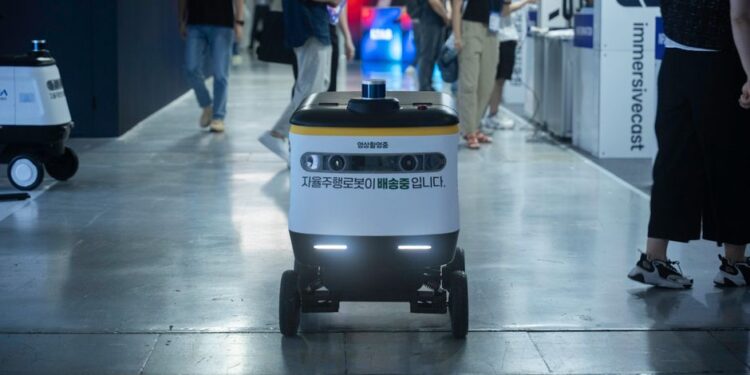
Samsung Electronics has hired a former Boston Dynamics executive to lead its new robotics division, aiming to establish research hubs in the US, China, and Japan. This move reflects the growing demand for robotics solutions globally, particularly in automation and AI.

Samsung Electronics has made a strategic move by hiring a former executive from Boston Dynamics to lead its new robotics division. This decision, announced on July 21, 2026, is part of Samsung’s plan to establish robotics research hubs in the United States, China, and Japan. The newly formed RX Business Office will report directly to co-CEO Roh Tae-moon, signaling a significant commitment to advancing robotics technology.
This hiring is particularly noteworthy as it comes at a time when competition in the robotics sector is intensifying among major technology companies. Samsung’s initiative aims to capitalize on the growing demand for robotics solutions across various industries, particularly in automation and AI, which are increasingly integral to modern business operations.
Emerging Demand for Robotics Engineers
The establishment of Samsung’s robotics division is expected to create a surge in demand for robotics engineers. Career Ahead’s analysis shows that as the company expands its capabilities, the need for specialized skills in robotics design, programming, and systems integration will become critical. This trend aligns with broader industry forecasts indicating a robust growth trajectory for the robotics sector, driven by advancements in AI and machine learning.
Moreover, Samsung’s focus on building research hubs in key global markets underscores its commitment to attracting top talent in robotics. Engineers with expertise in AI, machine learning, and robotic systems will find themselves in high demand as Samsung seeks to innovate and develop new products. This shift not only enhances job prospects for existing engineers but also creates opportunities for new entrants to the field.
In addition to technical skills, soft skills such as teamwork and project management will be increasingly valuable. As robotics projects often involve cross-functional collaboration, engineers will need to work closely with product managers and AI specialists to bring innovative solutions to market. This collaborative environment will foster a culture of innovation, allowing engineers to contribute significantly to product development.
Furthermore, the competitive landscape is likely to push engineers to continuously upskill and adapt to new technologies. With Samsung leading the charge in robotics, professionals in this field must stay abreast of emerging trends and advancements to remain relevant. The integration of AI into robotics will require engineers to understand both hardware and software components, making interdisciplinary knowledge essential.
In addition to technical skills, soft skills such as teamwork and project management will be increasingly valuable.
As the robotics sector evolves, engineers can expect to see new roles emerge, particularly in areas such as autonomous systems and robotic process automation. These developments will not only reshape traditional engineering roles but also open up new career paths for those willing to embrace the changing landscape.
Implications for Product Management Roles
The creation of a dedicated robotics division at Samsung will also have significant implications for product management roles within the company. Product managers will play a crucial role in bridging the gap between engineering teams and market needs, ensuring that new robotics products align with consumer demands and industry trends. Career Ahead research identifies that product managers with a strong understanding of robotics and AI will be particularly sought after as Samsung expands its product offerings.
As Samsung develops new robotic solutions, product managers will need to be adept at managing complex projects that involve multiple stakeholders. This includes coordinating with engineers, marketing teams, and external partners to bring innovative products to market. The ability to navigate these relationships will be essential for success in this evolving landscape.
Additionally, the integration of AI into robotics will require product managers to possess a deep understanding of both technology and user experience. As robots become more autonomous and capable, ensuring that they meet user needs and expectations will be paramount. This focus on user-centric design will drive product development strategies and influence how products are marketed.

Moreover, the competitive nature of the robotics market will necessitate that product managers stay ahead of industry trends and technological advancements. Continuous learning and adaptation will be key as they work to develop products that not only meet current demands but also anticipate future needs. This proactive approach will be vital for maintaining Samsung’s competitive edge in the robotics sector.
As Samsung’s robotics division grows, product managers will have the opportunity to shape the future of robotics technology. Their role will be pivotal in ensuring that the products developed are not only innovative but also practical and beneficial for users across various sectors.
Continuous learning and adaptation will be key as they work to develop products that not only meet current demands but also anticipate future needs.
Wider Impact on the Robotics Industry
The establishment of Samsung’s robotics division is poised to have a broader impact on the robotics industry as a whole. With major players like Samsung investing heavily in robotics, the sector is likely to see increased competition and innovation. This trend will benefit consumers and businesses alike, as advancements in robotics lead to more efficient and effective solutions.
Furthermore, the global push for automation and AI integration is expected to accelerate the adoption of robotics across various industries. As companies recognize the potential benefits of robotic solutions, demand for skilled professionals in this field will continue to grow. This shift will create a ripple effect, prompting educational institutions to adapt their curricula to better prepare students for careers in robotics and AI.
Career Ahead analysis finds that the growing focus on robotics will also lead to new partnerships between technology companies and educational institutions. Collaborations aimed at developing specialized training programs and research initiatives will help bridge the skills gap in the workforce. This alignment between industry needs and educational offerings will be crucial for fostering a new generation of robotics professionals.

As the robotics landscape evolves, companies will need to prioritize research and development to stay competitive. The establishment of research hubs in key markets will enable Samsung to tap into local talent and insights, driving innovation and ensuring that its products remain at the forefront of technology.
In conclusion, the future of robotics is bright, with significant opportunities for engineers and product managers alike. As Samsung leads the charge in this sector, the potential for growth and innovation will shape the industry for years to come. The question remains: how will other tech giants respond to Samsung’s aggressive push into robotics?
Familiarity with robotic systems and a collaborative mindset will also be essential as they work in cross-functional teams.
Frequently Asked Questions
What skills are needed for robotics engineers at Samsung?
Robotics engineers at Samsung will need a strong foundation in mechanical engineering, programming, and AI integration. Familiarity with robotic systems and a collaborative mindset will also be essential as they work in cross-functional teams.
How will Samsung’s robotics push affect product management roles?
Samsung’s focus on robotics will require product managers to have a deep understanding of technology and user experience. They will need to manage complex projects and collaborate closely with engineering teams to ensure product alignment with market needs.

What should robotics engineers do to prepare for opportunities at Samsung?
Robotics engineers should focus on developing their technical skills in AI and machine learning, as these areas will be critical in Samsung’s robotics division. Staying updated on industry trends and enhancing soft skills like teamwork will also be beneficial.
Sources: Bing, Bbc.
Written by Career Ahead AI. AI can make mistakes, so verify key facts. Report errors to support@careeraheadonline.com.