No products in the cart.

Global Economy Is Running Out of Wiggle Room

The ongoing conflict in Iran has intensified, disrupting the global energy market and raising energy prices. Economists are concerned about the implications for economic stability and growth, particularly as many nations are still recovering from the COVID-19 pandemic. The International Monetary Fund warns that rising energy prices could lead to increased volatility in financial markets, affecting countries dependent on energy imports.

The ongoing conflict in Iran has intensified. This situation is disrupting the global energy market. As hostilities escalate, energy prices are rising. Economists and financial analysts are concerned about the effects on economic stability. This moment is critical for energy sector professionals to reassess their strategies.
The Iran conflict has seen renewed military actions and geopolitical tensions. These events are causing a ripple effect on global energy supply chains. According to Career Ahead’s analysis, disruptions in Iranian oil exports will worsen existing supply constraints. This could push prices to levels not seen in recent years. The consequences for economic forecasts and investment strategies in the energy sector are significant.
Impact of Rising Energy Prices on Economic Forecasts
Rising energy prices significantly shape global economic forecasts. The World Bank notes that oil price fluctuations can lead to inflation. This ultimately affects consumer spending and economic growth. Career Ahead’s review of World Bank data shows that a sustained rise in oil prices could cut global GDP growth by up to 0.5% next year. This decline is concerning as many economies are still recovering from the COVID-19 pandemic.
For energy economists, understanding the link between oil prices and economic indicators is vital. Higher energy costs can increase production expenses for companies. These companies may pass these costs onto consumers. This cycle can reduce demand for goods and services, slowing economic growth. Financial analysts must monitor these trends to adjust their forecasts and investment strategies.
This cycle can reduce demand for goods and services, slowing economic growth.
You may also like
 Industry & Global Trends
AI Talent Race Between US and China Is the Next Battleground
The competition for AI talent between the US and China is growing, with significant implications for job opportunities and recruitment strategies in the field. The…
Read More →Moreover, the International Monetary Fund (IMF) warns that higher energy prices could increase volatility in financial markets. As investors react to rising costs, capital flows may shift. This impacts currencies and equity markets. Career Ahead analysis finds that sectors heavily reliant on energy, such as transportation and manufacturing, are particularly vulnerable. The IMF’s recent reports indicate that countries dependent on energy imports will face more economic strain. This could lead to trade imbalances and currency depreciation.
The potential for a prolonged conflict in Iran adds uncertainty. If tensions escalate, the global energy market could face more significant disruptions. Prices may remain high for an extended period. This environment poses challenges for economic planning and forecasting. Analysts must stay agile in their assessments. The interconnectedness of global markets means any sustained disruption in Iranian oil production could have cascading effects on energy prices worldwide, as recent analyses from Bloomberg highlight.
Strategies for Mitigating Risks in Energy Investments
Given the current geopolitical climate, energy investors must adopt strategies to reduce risks from rising prices and market volatility. Diversification is key for managing exposure to fluctuating energy costs. By investing in various energy sources, including renewables and traditional fossil fuels, investors can lower their overall risk.
Career Ahead’s analysis emphasizes the need to stay informed about geopolitical developments.
Hedging strategies can also provide protection against price volatility. Financial analysts should consider using derivatives, like futures contracts, to lock in prices for energy commodities. This approach can stabilize cash flows for companies in the energy sector. Recent oil price volatility has underscored the importance of these financial instruments as companies seek to protect their margins.
Career Ahead’s analysis emphasizes the need to stay informed about geopolitical developments. Monitoring news from conflict zones, such as Iran, can offer insights into potential energy supply disruptions. Analysts should integrate real-time data into their investment models to anticipate market shifts and adjust strategies. This proactive approach is crucial in a landscape where information can quickly change energy trading dynamics.
You may also like
 Industry & Global Trends
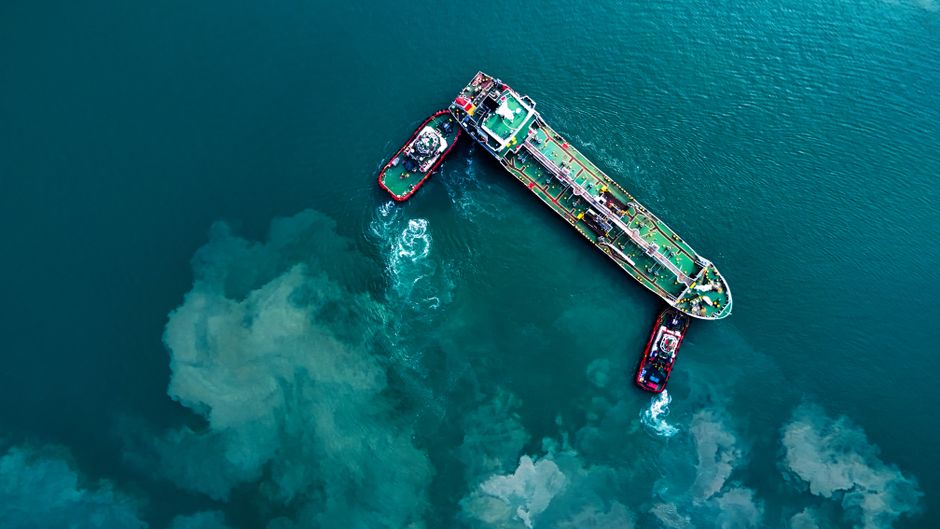
Hormuz Crude Oil Exports Near Pre-War Levels
The return to pre-war export levels is crucial as it indicates a stabilization in the oil market. Producers and shipping industries have adapted by employing…
Read More →
Additionally, building partnerships with local producers and suppliers can strengthen supply chains. Strong relationships within the energy sector can provide access to critical resources and information. This enables companies to respond effectively to market changes. Adapting to local conditions and maintaining open communication with suppliers is increasingly vital amid rising geopolitical tensions.
Finally, investing in technology and innovation can help mitigate risks. Companies that embrace advancements in energy efficiency and renewable technologies may be better positioned to handle rising energy prices. As the energy landscape evolves, adaptability will be crucial for success. The shift towards cleaner energy sources is not just a trend but a necessary evolution in response to market demands and environmental considerations.
The ongoing conflict in Iran raises important questions about global energy market stability. As tensions escalate, how will energy economists and financial analysts adjust their strategies? They must mitigate risks and seize opportunities in this unpredictable environment. The interplay between geopolitical tensions and energy prices will shape the global economy’s future. Analysts must remain vigilant and responsive to these changes.
Career Ahead analysis suggests that energy economists should closely monitor geopolitical developments.
Frequently Asked Questions
How can energy economists prepare for potential market volatility?
Career Ahead analysis suggests that energy economists should closely monitor geopolitical developments. They should integrate real-time data into their forecasts to anticipate market shifts.
What financial strategies should analysts consider in light of rising energy prices?
Analysts should consider diversification and hedging strategies to reduce risks from rising energy prices. Using derivatives, like futures contracts, can help stabilize cash flows for energy companies.
What should energy sector analysts do about geopolitical tensions affecting supply?
Energy sector analysts should stay informed about geopolitical developments. They should build strong relationships with local producers to enhance supply chain resilience and gain insights into potential disruptions.
You may also like
 Industry & Global Trends
Man Charged
A US national has been charged with illegally exporting Nvidia chips to China, raising significant compliance and legal concerns in the semiconductor industry.
Read More →