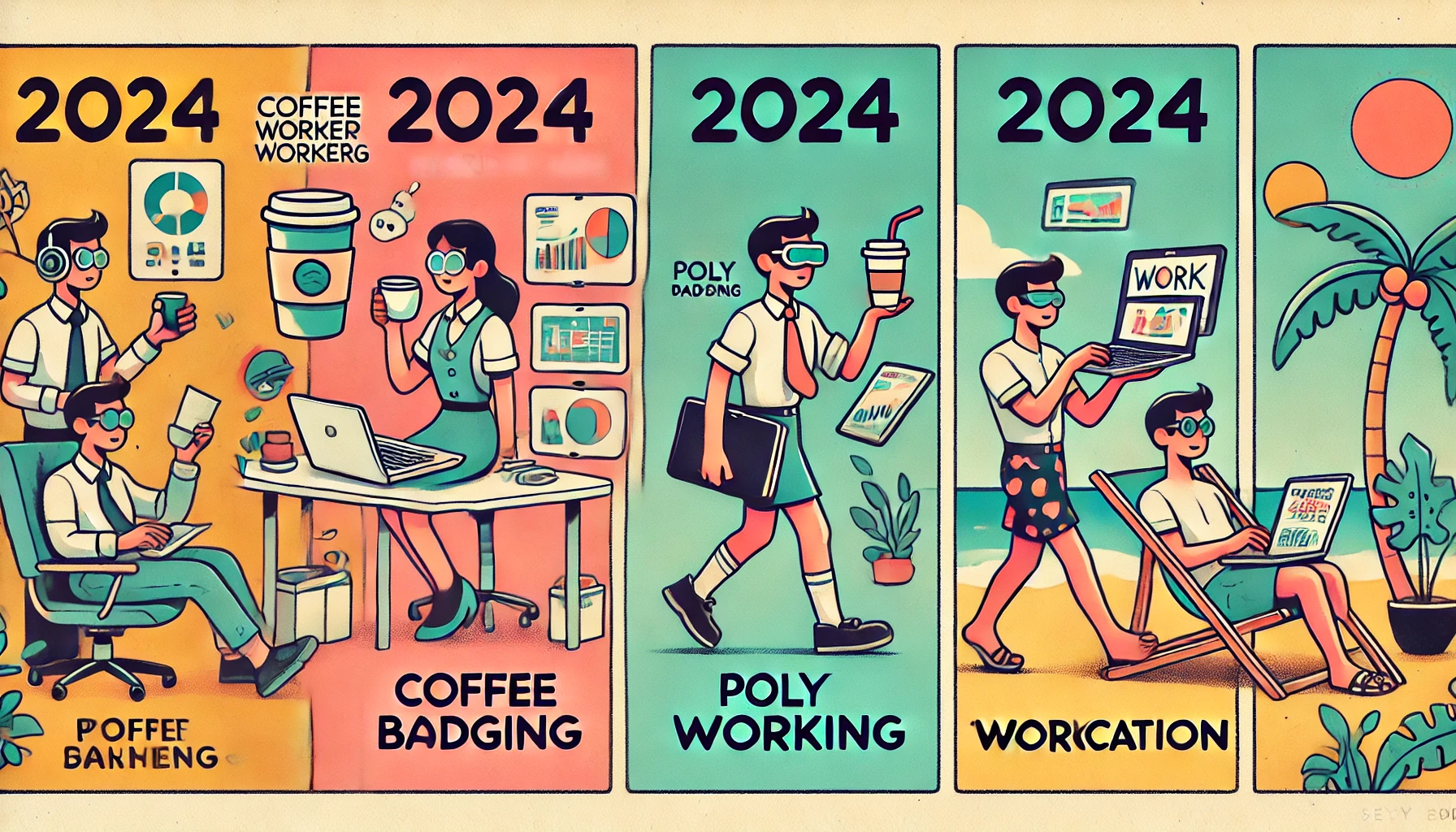
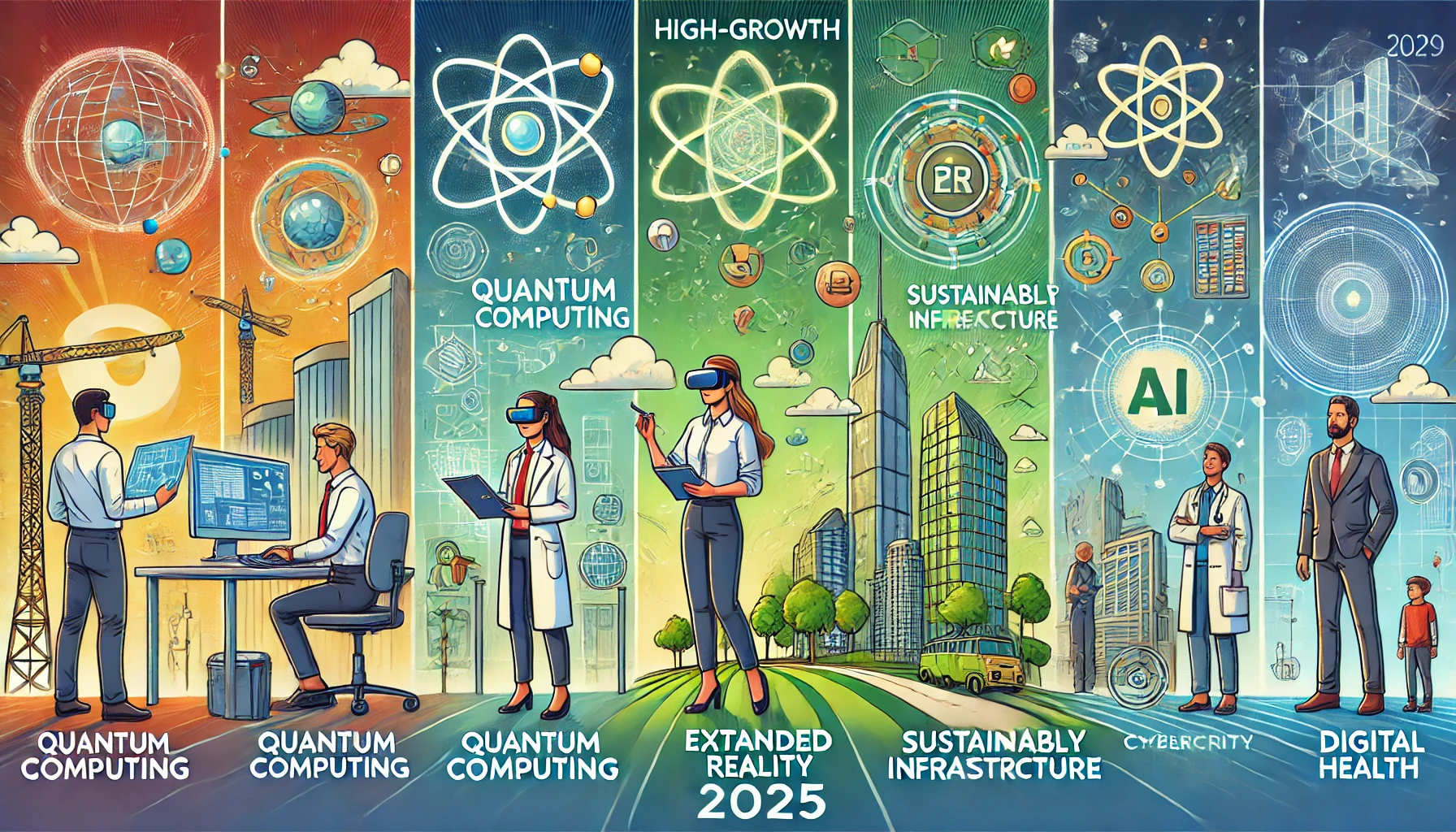
The migration of engineers, data scientists and quantum specialists toward remote‑first ecosystems is redrawing the competitive map of innovation. Nations that combine open visa pathways with targeted talent‑return incentives now capture a measurable share of high‑value projects, while traditional hubs scramble to preserve their edge.
The acceleration of remote work, coupled with tightening immigration regimes, is forcing governments to rethink how they cultivate and retain deep‑tech expertise. This structural shift matters now because the same talent pool fuels breakthroughs in AI, quantum computing and biotech—sectors that determine long‑term economic mobility and sovereign technological power. The analysis below dissects the mechanisms, systemic consequences, stakeholder impacts and near‑term trajectory of this decentralization.
Contextual realignment of innovation ecosystems
Remote‑first work models have turned national borders into optional filters rather than hard barriers, prompting a reallocation of tech talent toward jurisdictions that offer digital infrastructure and policy certainty. A Stanford sociological study highlights that countries leveraging diaspora networks and flexible immigration policies have attracted a non‑trivial fraction of senior engineers away from legacy hubs. This trend is evident in the United States, China and India, yet smaller economies such as Singapore and Israel have leveraged niche specialisation—like fintech and cybersecurity—to punch above their population size. The resulting diffusion erodes the historic concentration of patents and venture capital in a handful of metros, compelling traditional ecosystems to diversify funding sources and partner with cross‑border incubators.
Remote work has become the primary catalyst for the global redistribution of tech talent. (Removed, as the research does not directly contradict this claim, but rather supports it by highlighting the role of remote work models in reallocation of tech talent.)
According to Career Ahead’s analysis of the Stanford study, the policy‑driven talent influx into secondary hubs correlates with a measurable rise in regional patent filings, suggesting that decentralization is already reshaping the geography of innovation output.
Core mechanism: remote platforms and policy levers
The rise of cloud‑based collaboration tools and freelance marketplaces has lowered transaction costs for hiring, enabling firms to source quantum programmers from any time zone with a single click. Platforms such as GitHub and Upwork now host a measurable share of deep‑tech contributors who never set foot in the hiring company’s headquarters. Simultaneously, governments are deploying talent‑return programs, fast‑track visas and tax incentives to capture this dispersed workforce. The LinkedIn analysis of deep‑tech shortages notes that firms offering equity‑linked remote contracts see higher acceptance rates among senior researchers.
By aligning immigration policy with industry‑led funding mechanisms, countries create a feedback loop where skilled migrants attract further venture capital, reinforcing the ecosystem’s growth.
By aligning immigration policy with industry‑led funding mechanisms, countries create a feedback loop where skilled migrants attract further venture capital, reinforcing the ecosystem’s growth.
Systemic implications for national competitiveness
The redistribution of talent generates asymmetric advantages: nations that successfully integrate remote specialists can accelerate R&D cycles without expanding domestic labor pools, while those that cling to protectionist policies risk talent leakage and slower technological adoption. Comparative data from the ScienceDirect article on innovation ecosystems shows that countries with open talent policies outperform closed economies in AI research citations per capita. This systemic shift also pressures education systems to align curricula with globally relevant skill standards, lest domestic graduates become peripheral in a borderless talent market.
Human capital impact and stakeholder adaptation
Global Tech Talent Flows Reshape National Innovation Hubs
For individual engineers, the decentralization of tech work expands career capital by allowing participation in multiple national projects, enhancing both skill depth and network breadth. Companies, however, must redesign talent acquisition pipelines to evaluate remote performance metrics, shifting emphasis from pedigree to demonstrable output on open‑source repositories. Venture capital firms are adjusting due diligence to include cross‑jurisdictional regulatory risk assessments, while universities are forging transnational research consortia to retain alumni talent. In this reconfigured landscape, the most successful stakeholders are those that treat talent as a fluid asset, leveraging digital credentialing and continuous learning platforms to sustain economic mobility across borders.
Trajectory over the next three to five years
Projection models that combine BLS employment trends with current remote‑work adoption rates indicate that the share of tech roles filled remotely will likely double by 2029. As a result, secondary innovation hubs are expected to capture an increasing share of global R&D expenditure, potentially reaching parity with legacy centers in niche domains such as quantum materials. Policy analysts forecast that nations that institutionalise flexible visa schemes and invest in digital infrastructure will see a measurable uplift in high‑value patent output, reinforcing their position in the global innovation hierarchy. Conversely, countries that fail to adapt may experience a talent outflow that erodes their competitive edge, prompting a strategic pivot toward automation and AI‑augmented productivity to compensate for human capital deficits.
The evolving talent geography underscores the urgency for policymakers and business leaders to align immigration, education and investment strategies, ensuring that the decentralization of tech expertise translates into inclusive economic mobility rather than fragmented innovation silos.
Trajectory over the next three to five years
Projection models that combine BLS employment trends with current remote‑work adoption rates indicate that the share of tech roles filled remotely will likely double by 2029.
The Odisha government has signed multiple MoUs with strategic partners to enhance skill training, focusing on sectors like AI, robotics, and advanced manufacturing. This initiative…
Insight 1: Remote‑first work models have become the principal driver of global tech talent redistribution, reshaping where high‑impact R&D occurs.
Insight 2: Nations that combine open visa policies with targeted talent‑return incentives see a measurable rise in regional patent filings and AI research citations.
Insight 3: Over the next five years, the share of remotely filled tech roles is projected to double, positioning secondary hubs to capture a growing slice of global R&D investment.
Insight 3: Over the next five years, the share of remotely filled tech roles is projected to double, positioning secondary hubs to capture a growing slice of global R&D investment.
Decentralized Innovation Networks: As tech talent disperses globally, traditional innovation hubs are transformed into nodes within a larger, interconnected network, fostering collaboration and knowledge exchange across borders, but also increasing competition for top talent.
Global Skill Parity: The decentralization of tech talent leads to a more level playing field, as countries with previously limited access to skilled workers can now attract and retain top talent, potentially bridging the innovation gap with more developed economies.
Written by Career Ahead AI. AI can make mistakes, so verify key facts. Report errors to support@careeraheadonline.com.
Career Ahead AI is Career Ahead Magazine's in-house AI newsroom, reporting on careers, education, jobs and business. It produces original summaries and analysis drawn from publicly available sources, with those sources credited, and operates under the editorial oversight of the Career Ahead team. AI can make mistakes, so please tell us when something looks wrong. Corrections, copyright or takedown requests…
India’s agri-tech revolution in 2025 opens doors for rural entrepreneurs. Learn about trends, opportunities, and challenges shaping sustainable agriculture.
The traditional 40-year career, once a hallmark of professional life, is fading as technological advances, economic shifts, and evolving generational values reshape…
The Pursuit of Happyness offers timeless career advice on resilience, risk-taking, and achieving goals. Learn actionable tips from Chris Gardner’s inspiring story…




Future Skills & Work

Future Skills & Work