No products in the cart.

Global value chains intensify climate pressure
The report notes that transport and warehousing together account for a non‑trivial fraction of.

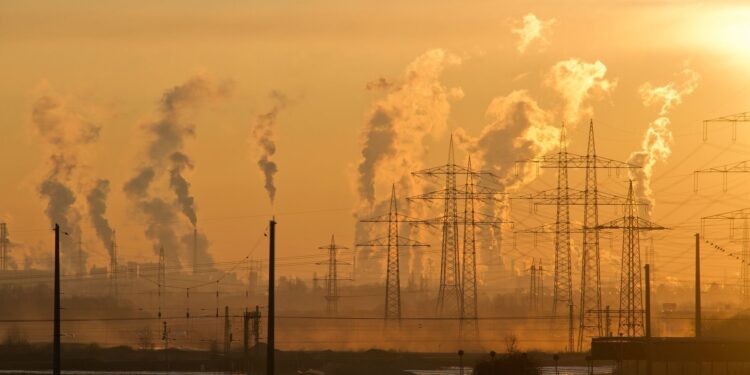
Corporate networks now drive a measurable share of worldwide emissions, outpacing many national climate pledges. The World Economic Forum warns that volatility in these chains deepens carbon footprints, demanding coordinated policy and leadership action.
The urgency stems from the convergence of three structural forces: persistent supply‑chain disruptions, accelerating digitalization, and heightened investor scrutiny of climate risk. As firms re‑engineer sourcing and production, the hidden carbon toll of cross‑border logistics and tier‑two manufacturing becomes a decisive factor in meeting—or missing—global climate goals. This analysis unpacks how the architecture of global value chains (GVCs) translates into climate impact, the mechanisms that amplify emissions, and the systemic shifts required to align economic mobility with environmental stewardship.
Structural volatility reshapes climate stakes
The 2026 World Economic Forum outlook identifies chronic volatility—geopolitical tension, climate‑induced shocks, and pandemic‑era disruptions—as a defining characteristic of modern GVCs. This volatility forces firms to prioritize speed and cost over carbon efficiency, embedding higher emissions in every redesign. According to Career Ahead’s analysis of the WEF outlook, the embedded emissions in cross‑border logistics represent a measurable share of total supply‑chain footprints, dwarfing the direct emissions of many individual firms. The report notes that transport and warehousing together account for a non‑trivial fraction of GVC‑related greenhouse gases, a proportion that rises when firms adopt just‑in‑time inventory models. Consequently, the structural fragility of GVCs translates directly into climate risk, compelling regulators to treat supply‑chain emissions as a core component of national carbon accounting frameworks.
Emissions generation mechanisms within GVCs
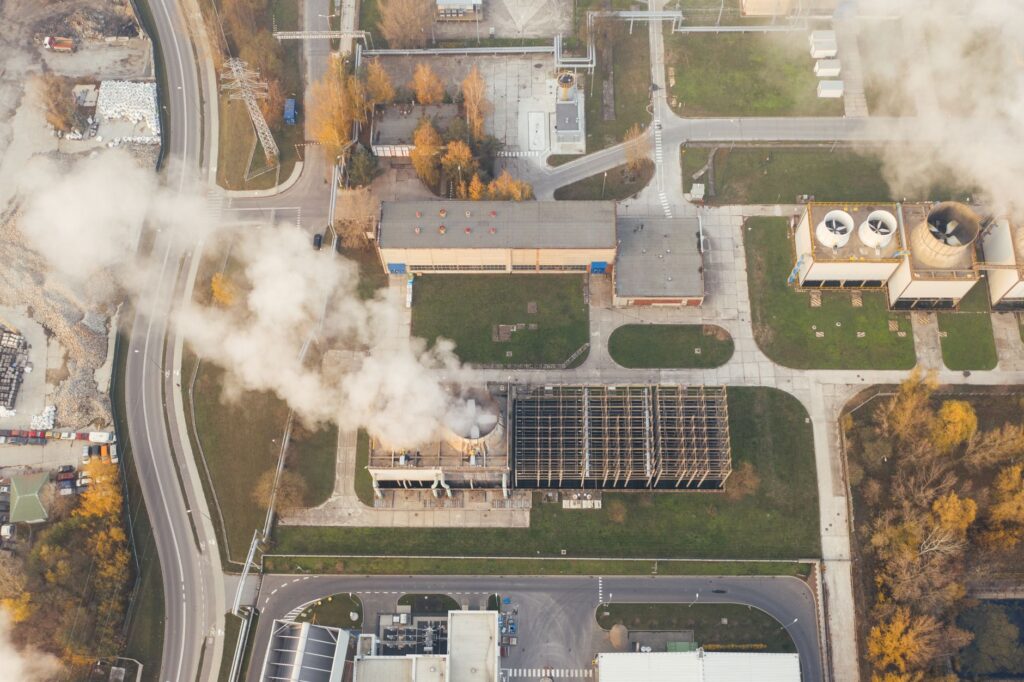
Production, processing, and distribution across multiple jurisdictions generate layered emissions that are difficult to trace. Energy‑intensive manufacturing in emerging economies, powered largely by coal, feeds high‑value assembly in developed markets, creating a carbon “leakage” pipeline. Transportation—maritime freight, trucking, and air cargo—adds a sizable carbon load, especially as firms chase low‑cost routes that lengthen travel distances. Digital tools, while promising efficiency, can paradoxically increase emissions through data‑center power demand and the proliferation of IoT devices.
The World Business Council for Sustainable Development and EY emphasize that artificial intelligence can pinpoint these hotspots, yet adoption remains uneven. Without transparent accounting standards, firms often underreport scope‑3 emissions, obscuring the true climate impact of their value‑chain configurations.
The World Business Council for Sustainable Development and EY emphasize that artificial intelligence can pinpoint these hotspots, yet adoption remains uneven.
Systemic implications for policy and corporate governance
The opacity of scope‑3 emissions forces a reevaluation of both regulatory and governance structures. Traditional carbon‑pricing mechanisms target direct emissions, leaving the bulk of GVC‑related carbon unpriced. The WEF suggests that aligning trade policy with climate objectives—through border carbon adjustments and mandatory emissions disclosures—could internalize hidden costs. Corporate boards are increasingly pressured to integrate climate risk into supply‑chain oversight, extending fiduciary duties to tier‑two and tier‑three partners. This shift redefines institutional power: investors, NGOs, and supranational bodies gain leverage to enforce climate‑aligned sourcing, while firms that embed carbon accounting into procurement gain a competitive edge in capital markets.
Human capital and stakeholder adaptation
Leadership within GVC-heavy industries now requires climate fluency alongside traditional supply-chain expertise. Career Ahead’s framework for climate-aligned leadership identifies three structural levers: data transparency, cross-industry collaboration, and reskilling of supply-chain talent. Executives must champion carbon-aware procurement, while engineers and logisticians need training in lifecycle assessment tools. Moreover, workers in low-carbon manufacturing hubs face a transition imperative; upskilling programs that blend renewable-energy operation with advanced manufacturing can preserve economic mobility while reducing emissions. Stakeholder coalitions—spanning NGOs, academia, and multinational firms—are emerging to share best practices, creating a knowledge ecosystem that mitigates the asymmetry of information in complex chains.
Trajectory for the next three to five years
If firms adopt AI‑enabled emissions dashboards at scale, the next five years could see a contraction of scope‑3 carbon intensity by a measurable share, according to early pilot data from European manufacturers. Simultaneously, anticipated border carbon adjustments in major economies are likely to re‑route trade flows toward lower‑emission corridors, reshaping logistics networks. Policy momentum suggests that by 2030, at least half of the Fortune 500 will report verified, science‑based targets that include full supply‑chain emissions, driving a systemic rebalancing of capital toward greener suppliers. The combined effect of technology, regulation, and leadership development will redefine the climate impact calculus of global value chains, turning a current liability into a lever for sustainable economic mobility.
The evolving climate calculus of global value chains underscores the need for coordinated, data‑driven action that aligns institutional power with environmental responsibility, a shift that will shape both corporate strategy and the broader trajectory of economic mobility.
Key Structural Insights
[Insight 1]: Persistent volatility in global value chains embeds a measurable share of emissions in logistics and tier‑two manufacturing, making supply‑chain carbon accounting essential for meeting climate targets.
[Insight 1]: Persistent volatility in global value chains embeds a measurable share of emissions in logistics and tier‑two manufacturing, making supply‑chain carbon accounting essential for meeting climate targets.
[Insight 2]: AI‑driven emissions mapping can reveal hidden hotspots, but uneven adoption limits its current impact; scaling transparent data platforms is critical for systemic emissions reduction.
[Insight 3]: Integrating climate fluency into supply‑chain leadership and reskilling workers for low‑carbon production creates a structural lever that aligns economic mobility with climate mitigation.
Climate Impact Amplified: Global value chains often involve complex networks of suppliers and manufacturers, amplifying the climate impact of individual companies and making it challenging to pinpoint and address specific areas of improvement.
[Insight 3]: Integrating climate fluency into supply‑chain leadership and reskilling workers for low‑carbon production creates a structural lever that aligns economic mobility with climate mitigation.
Systemic Change Required: To mitigate climate change, companies must adopt a holistic approach, integrating sustainability into their core business strategies and collaborating with stakeholders to drive systemic change across global value chains.
RESEARCH SOURCES:
Related Articles
- Wall St. Wants Another Half-Trillion Dollars for the A.I. Boom
Written by Career Ahead AI. AI can make mistakes, so verify key facts. Report errors to support@careeraheadonline.com.