No products in the cart.

Govt Schools Boost Internet Access to 63.1%
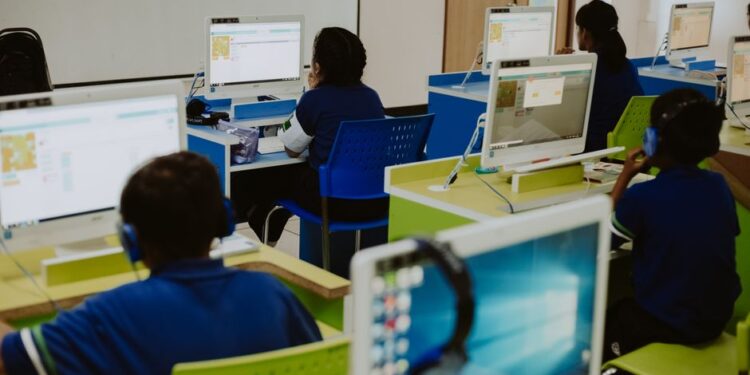
As of 2025-26, the data shows that Goa has achieved universal internet coverage in schools, while West Bengal remains at the bottom with only 19.7% connectivity.

India’s government schools have made great strides in internet access. According to the UDISE+ report, access now stands at 63.1%. This is a big jump from 46.2% in 2023-24. It shows a major step toward closing the digital divide in education. The report highlights efforts to improve connectivity in schools nationwide, which is vital for better educational outcomes.
By 2025-26, Goa has achieved universal internet coverage in schools. In contrast, West Bengal lags behind with only 19.7% connectivity. This gap shows the ongoing challenges in providing equal access to digital resources in education. The report also notes that the availability of smart classrooms increased from 24.4% to 33.9%. This reflects a trend toward integrating technology into learning. The UDISE+ report emphasizes that these advancements offer real opportunities for students to engage with modern educational practices.
Transforming Teaching Methods Through Digital Resources
The rise in internet access gives educators a wealth of digital resources. Teachers can now use online platforms and educational tools to make lessons more engaging. This shift is especially important for teachers in government schools, who often face resource limitations. The Times of India highlights that improved connectivity allows teachers to use various online resources, enhancing lesson delivery and student engagement.
According to Career Ahead’s analysis, digital tools can create more interactive and personalized learning experiences.
You may also like
 Education & University Insights
AI’s Impact, Rare Earths Demand, College Enrollment Crisis
The decline in college enrollment is not a new phenomenon, but it has accelerated in the past few years.
Read More →According to Career Ahead’s analysis, digital tools can create more interactive and personalized learning experiences. For instance, teachers can use online assessments to check student understanding in real-time. This allows for immediate feedback and tailored instruction, a big improvement over traditional methods. Furthermore, technology in the classroom helps educators meet diverse learning needs. With various online resources, teachers can support different learning styles and paces, ensuring all students have the chance to succeed. This adaptability is crucial in India’s diverse educational landscape.
Additionally, remote learning initiatives can further improve education. With better internet connectivity, government schools can use online platforms to offer courses and resources that were once out of reach. This expands the curriculum and prepares students for a digital future. The GKToday report notes that increased internet access is expected to bring innovative teaching methods, significantly improving student outcomes and engagement.
Impacts on Curriculum Development and Policy Reforms
The growing internet access in government schools is also shaping curriculum development and education policy reforms. As educators gain access to digital resources, there is a push for curricula that include technology and digital literacy. This is essential for preparing students for the modern workforce, where digital skills are vital. The Times of India reports that education policymakers are now more inclined to integrate technology into the curriculum, recognizing its potential to enhance learning experiences.
Research from Career Ahead indicates that education policymakers must prioritize technology integration in school curricula. This includes teaching digital skills and ensuring that educators are trained to use these tools effectively. Professional development programs focused on digital literacy can empower teachers to maximize available resources. Moreover, the government’s commitment to improving digital access can lead to broader policy reforms that reduce educational disparities. By investing in infrastructure and training, policymakers can ensure that all students have access to quality education and the tools for success.

You may also like
 Education & University Insights
From Chambal Roots to IIT and Global Career Triumph
Dev Prabhakar Singh Tomar's journey from a Chambal village to securing AIR 629 in UPSC is a testament to resilience and determination.
Read More →As the digital landscape evolves, education stakeholders must remain adaptable. This means continuously assessing and updating educational policies to meet students’ changing needs and the job market. The UDISE+ report is a critical tool for stakeholders, providing data to inform decisions and strategies aimed at enhancing educational access and quality nationwide.
This is essential for preparing students for the modern workforce, where digital skills are vital.
In this context, the role of stakeholders, including government bodies, educators, and communities, is vital. Collaborative efforts can help ensure that the benefits of improved internet access are fully realized, leading to a more equitable education system. As educators in government schools adapt their teaching strategies to leverage these new resources, they must receive comprehensive training and ongoing professional development.
Ultimately, advancements in internet access within government schools mark a pivotal moment for education in India. The potential for enhanced learning experiences and better educational outcomes is significant. However, it requires concerted efforts from all stakeholders to ensure these opportunities are fully realized. As we look to the future, the question remains: how will the continued expansion of digital resources in education reshape the learning landscape for students and educators alike?
With increased internet access, educators in government schools must adapt their teaching strategies to effectively use these new resources. This includes familiarizing themselves with various digital tools and platforms that can enhance learning outcomes. For example, educators can use online resources for collaborative projects, interactive learning modules, and access to a wider range of educational materials.
Moreover, education policymakers should focus on ensuring equitable access to digital resources across all regions. This means addressing the disparities highlighted in the UDISE+ report, especially in states like West Bengal, where internet access remains low. By prioritizing infrastructure development in underserved areas, policymakers can help close the digital divide and ensure that all students receive a quality education.
You may also like
 Education & University Insights
34% Teaching Vacancies Hinder Higher Education Growth
A recent SBI report reveals a 34% vacancy rate in teaching positions across centrally funded institutions in India, raising concerns about educational quality and faculty…
Read More →