No products in the cart.

Gulf economies face long-term hit
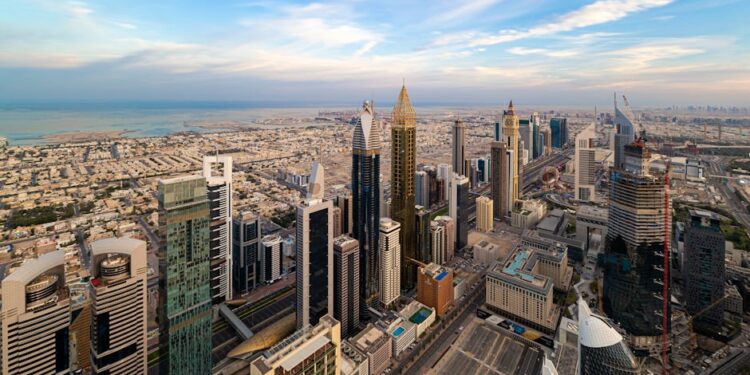
Gulf States Experience Economic Turmoil due to Iran Conflict. The Gulf region is facing unprecedented economic challenges due to the ongoing conflict with Iran, significantly impacting global LNG supplies and regional economies.

Gulf States Experience Economic Turmoil
The Gulf region is grappling with severe economic challenges stemming from the ongoing conflict with Iran. An Iranian missile strike on Qatar’s Ras Laffan gas complex has disrupted global LNG supplies, affecting approximately 17% of the market. This attack, which was a response to Israeli and US actions against Iran, has left Gulf states feeling vulnerable.
Reports indicate that the damage from the strike could cost QatarEnergy around $20 billion in lost annual revenues. The broader economic fallout from the conflict has already inflicted an estimated $58 billion in damages across the region, impacting over 80 facilities.
The World Bank has revised its growth forecast for the Middle East to just 1.8% this year, down from a previous estimate of 4%. Countries like Qatar and Kuwait are expected to experience the most significant contractions, highlighting the severe impact of the ongoing hostilities.
Energy Supply Disruptions and Market Reactions
The conflict has not only damaged infrastructure but has also disrupted oil and gas exports through the crucial Strait of Hormuz, which is vital for global energy flows, handling about 20% of the world’s oil and LNG. The closure of this passage has forced Gulf producers to rely on alternative pipelines, which cannot accommodate the same volume, further straining their economies.
The World Bank has revised its growth forecast for the Middle East to just 1.8% this year, down from a previous estimate of 4%.
While Saudi Arabia and the UAE have shown some resilience due to oil exports that bypass the strait, the overall situation remains precarious. The International Energy Agency has labeled it the “biggest energy crisis in history,” and volatility in energy prices has begun to affect global markets.
Tourism Sector Faces Major Setbacks
The tourism sector, a critical component of economic diversification in the Gulf, has also been severely impacted by the conflict. The World Travel & Tourism Council estimates that the region is losing around $600 million daily in tourism revenues since the onset of hostilities, particularly affecting the UAE, which has invested heavily in becoming a global tourism hub.
Businesses linked to travel and hospitality in cities like Dubai are reporting sharp declines in bookings and increased cancellations, leading to job losses and unpaid leave. The ripple effects of reduced tourism are likely to be felt for years, jeopardizing ambitious economic diversification programs aimed at reducing dependence on oil revenues.
Long-Term Economic Implications
The long-term implications of the Iran conflict on Gulf economies are profound. While countries like Saudi Arabia and the UAE have more diversified economies, ongoing instability could hinder their growth trajectories. Gulf states may need to rethink their economic strategies and investment priorities.
Experts suggest that Gulf nations might accelerate the development of alternative pipeline networks to reduce reliance on vulnerable shipping routes. However, the costs of such infrastructure development could strain already tight budgets.
You may also like
 Industry & Global Trends
The Impact of New Leadership on Warner Studios’ Production Plans
The recent leadership change at Warner Studios, involving the integration of Paramount executives, is set to reshape production strategies and project approvals, signaling a shift…
Read More →Experts suggest that Gulf nations might accelerate the development of alternative pipeline networks to reduce reliance on vulnerable shipping routes.
Future Prospects Amid Ongoing Conflict
As the situation in the Gulf continues to evolve, the future remains uncertain. The conflict with Iran poses significant risks to economic stability and growth, with long-lasting effects likely to persist even after hostilities cease. Gulf states must navigate these challenges carefully, balancing immediate needs with long-term strategic goals.
In the face of this turmoil, there is a pressing need for regional cooperation and dialogue to address the underlying tensions. Without a concerted effort to stabilize the situation, the repercussions for Gulf economies could be severe and far-reaching.