No products in the cart.

Gulf Oil Giants Bypass Strait of Hormuz with Billions
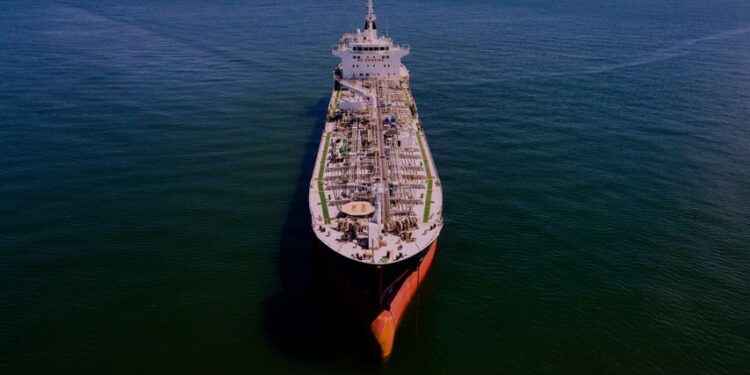
Gulf oil companies are investing billions to develop alternative pipelines and maritime routes, reducing reliance on the Strait of Hormuz amid rising geopolitical tensions.

Gulf oil companies are investing billions in new transport routes to bypass the Strait of Hormuz. This area is a key chokepoint for global oil supply. The shift comes amid rising geopolitical tensions. Companies recognize that relying on this narrow passage is risky. These investments aim to enhance supply chain resilience and ensure steady oil flow to global markets.
Major players like Saudi Aramco and the UAE’s ADNOC are leading these efforts. They are committing substantial resources to develop alternative pipelines and maritime routes. These initiatives are expected to change oil transport dynamics in the Middle East and beyond.
Investment in Infrastructure and New Transport Routes
Gulf oil giants are pouring billions into infrastructure projects for new transport routes. This includes expanding existing pipelines and building new ones that connect oil fields to ports outside the Strait of Hormuz. For example, Saudi Arabia is advancing its East-West Pipeline. This pipeline allows oil to be shipped from the Red Sea, completely bypassing the Strait. It is a key part of Saudi Arabia’s strategy to boost oil exports while reducing vulnerability to geopolitical tensions.
According to Career Ahead’s analysis, these investments are about more than logistics. They reflect a strategic shift in response to potential future conflicts. The Strait of Hormuz has been a flashpoint for tensions. Any disruption there could severely impact global oil supply. By diversifying transport routes, Gulf oil companies aim to reduce these risks and secure their market positions. A recent report from the New York Times noted that even if a cease-fire happens, Gulf exporters see reliance on the Strait as a risk they can no longer afford.
Additionally, the UAE is enhancing its maritime capabilities. This includes establishing new shipping lanes and port facilities. These improvements will facilitate smoother and safer oil transport, further reducing dependence on the Strait. The focus on infrastructure development is crucial for energy security and economic stability in the region. Investments also include advanced technologies in logistics and tracking systems, essential for improving oil transport efficiency.
The focus on infrastructure development is crucial for energy security and economic stability in the region.
Career Ahead’s research shows that these infrastructure investments will likely increase competition among oil-exporting nations. As Gulf oil companies strengthen their logistics, they may influence global oil prices and market dynamics. Analysts must monitor how these developments affect supply and demand in the international oil market. Diversifying transport routes is expected to create a more competitive environment, potentially leading to lower prices for consumers in the long run.
Risk Management Strategies for Oil Transport
With new transport routes, Gulf oil companies are revising their risk management strategies. The geopolitical landscape is unpredictable, and conflict in the region remains a concern. Companies are prioritizing operational flexibility to respond quickly to disruptions. This includes developing contingency plans and investing in technologies for real-time monitoring of geopolitical developments that could affect oil transport.
Career Ahead’s analysis indicates that resilience in supply chains is becoming key in investment decisions. Companies are focusing on cost-effectiveness and reliability of transport routes. This shift could lead to more sustainable oil transport practices, as firms seek to minimize environmental impacts. Innovations in logistics, such as AI and blockchain for tracking shipments, are becoming crucial for transparency and efficiency.
Furthermore, investments in new transport routes may lead to innovations in logistics and supply chain management. Companies might adopt advanced technologies to enhance tracking and monitoring of oil shipments. This ensures greater transparency and efficiency. As these strategies evolve, investment analysts must consider the broader implications for the energy market. Diversifying transport routes could create a more stable pricing environment, as supply disruptions become less likely. However, analysts should also be aware of increased competition, which could drive prices down in the short term.
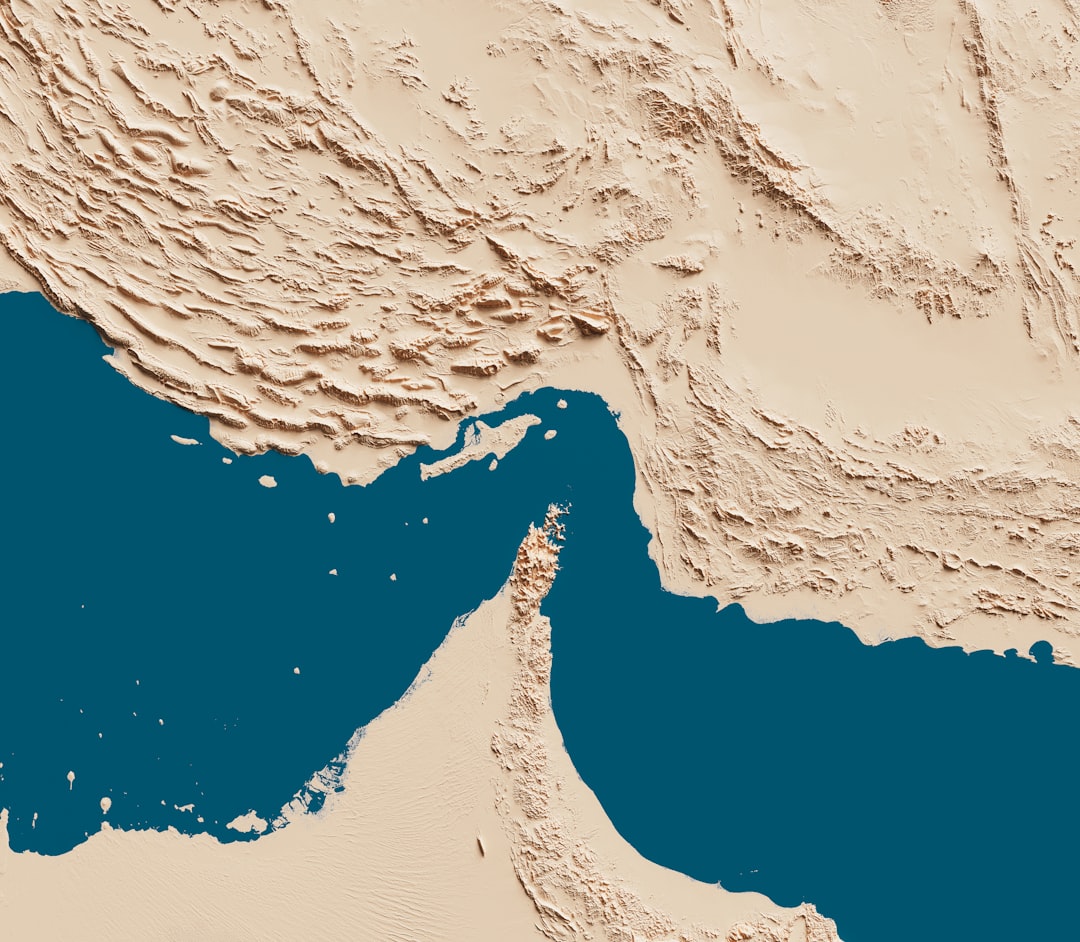
As logistics and transport capabilities improve, demand for skilled workers in these sectors may rise.
The shift to alternative transport routes will significantly impact global oil supply chains. By reducing reliance on the Strait of Hormuz, Gulf oil companies enhance operational security and influence the global oil market’s structure. This change could lead to a more diversified supply chain, with multiple routes for oil transport. As noted in a CNBC report, this diversification could have major implications for oil-importing nations. Countries that rely heavily on oil imports may find greater stability in supply. Disruptions in one region may not have the same cascading effects on global markets. This could lead to more predictable pricing and availability, benefiting consumers and businesses alike.
Moreover, investments in infrastructure are likely to create new economic opportunities in the Gulf region. As logistics and transport capabilities improve, demand for skilled workers in these sectors may rise. This could lead to job creation and economic growth, solidifying the Gulf’s role in the global energy market. However, transitioning to new transport routes presents challenges. Investment analysts must remain vigilant about geopolitical risks and global market fluctuations. The evolving landscape of oil transport will require ongoing assessment and adaptation for long-term viability.
As Gulf oil companies move forward with their plans, the global energy landscape is set for change. The implications of these investments will unfold in the coming years, reshaping oil supply and demand dynamics.
Frequently Asked Questions
What are the new transport routes being developed by Gulf oil giants?
Gulf oil giants are developing alternative pipelines, like Saudi Arabia’s East-West Pipeline, which allows oil to be shipped from the Red Sea, bypassing the Strait of Hormuz. The UAE is also enhancing its maritime capabilities to create new shipping lanes.
Investment analysts should focus on the resilience and reliability of new transport routes and the geopolitical risks involved.
How will these changes affect oil prices and market stability?
Diversifying transport routes may lead to a more stable pricing environment, as supply disruptions become less likely. This could result in more predictable pricing and availability for oil-importing nations.

What should oil and gas investment analysts consider when evaluating infrastructure projects?
Investment analysts should focus on the resilience and reliability of new transport routes and the geopolitical risks involved. Understanding the broader implications for supply chains and market dynamics is crucial.
Related Articles
- India-China Trade Resumes Amid Shifting Relations
- 45% of Indian Exports to the U.S. Exempt
Written by Career Ahead AI. AI can make mistakes, so verify key facts. Report errors to support@careeraheadonline.com.