Mumbai, India — HDFC Bank has sent two names to the Reserve Bank of India (RBI) for the Managing Director and Chief Executive Officer (MD & CEO) role. This comes after the current MD & CEO, Sashidhar Jagdishan, decided not to seek another term. The new appointment is expected to greatly influence the bank’s future strategies and operations.
The candidates proposed by HDFC Bank’s board are Kaizad M. Bharucha, the current Deputy Managing Director, and another unnamed individual. Bharucha has played a vital role in the bank’s success, helping it grow and advance its digital initiatives. The new MD & CEO will have a three-year term. The board also approved the reappointment of V. Srinivasa Rangan as a Whole-time Director for one year.
Impact of Leadership Transition on HDFC Bank
The leadership change at HDFC Bank is set to redefine its strategic direction. Sashidhar Jagdishan has led the bank since 2020, driving significant growth and digital transformation. His exit marks the end of an era known for strong performance and market presence. Under Jagdishan, HDFC Bank expanded its digital services and improved customer engagement, making it a leader in Indian banking.
If Kaizad Bharucha becomes the new MD & CEO, it may mean continuity in current strategies. Bharucha knows the bank well and has been key in its operations. However, new leadership might also bring fresh ideas to meet changing market demands. According to CNBC TV18, Bharucha’s experience in retail and wholesale banking makes him a strong candidate to lead HDFC Bank into its next growth phase.
As the Indian banking sector faces more competition and regulatory scrutiny, the new MD & CEO must handle these challenges effectively. Career Ahead analysis shows that the new leader’s approach to customer engagement and technology will be crucial for HDFC Bank’s competitive edge. The bank must innovate and adapt to changing consumer preferences, especially as digital banking evolves.
This structure aims to enhance synergy across the bank’s subsidiaries and prepare for future leadership changes.
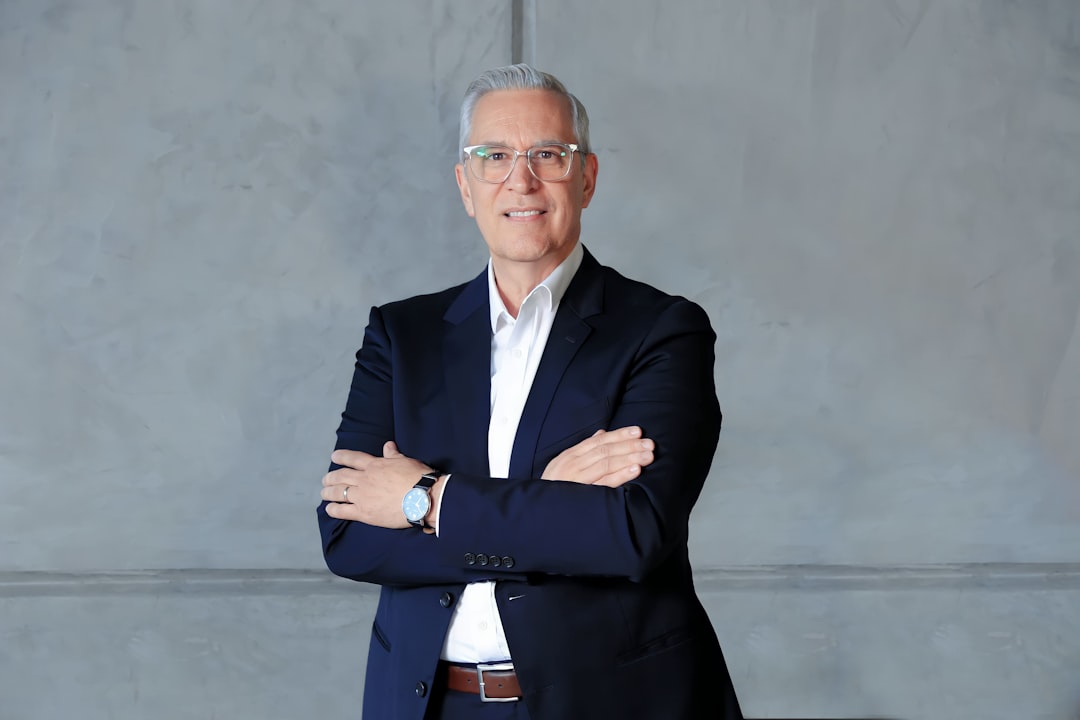
Anup Bagchi, with over three decades in financial services, is set to lead HDFC Bank starting October 27, 2026, following the retirement of Sashidhar Jagdishan.
The decision to create an additional Whole-time Director position shows a strategic move to improve oversight and succession planning. This structure aims to enhance synergy across the bank’s subsidiaries and prepare for future leadership changes. The board’s proactive approach reflects a commitment to stability and continuity during this critical time.
Regulatory and Strategic Shifts Under New Leadership
The new MD & CEO’s appointment will likely affect HDFC Bank’s regulatory approach, especially with recent changes in banking regulations. The RBI has emphasized stricter compliance and governance standards, which the new leadership must adopt to keep regulatory approval. As noted by The Economic Times, the incoming CEO must prioritize compliance while also focusing on innovation and customer services. Balancing these priorities is essential for growth and profitability.
The new leadership’s strategic vision will be key in how HDFC Bank uses technology. As digital banking grows, the new CEO’s views on technology will shape customer engagement strategies. Career Ahead research indicates that banks investing in digital transformation are better positioned to enhance customer experiences and efficiency. The new MD & CEO must find ways to further integrate technology into services to meet tech-savvy customers’ needs.
The leadership change may also lead to a reevaluation of HDFC Bank’s market strategy. The new MD & CEO will need to assess the bank’s competitive position and explore new growth areas, especially in underserved markets. As the banking sector adapts to a post-pandemic world, the new leadership must remain agile and responsive to market changes. This adaptability is crucial for HDFC Bank to sustain its growth in a rapidly changing landscape.
As the banking sector evolves, industry stakeholders will closely watch the new leadership at HDFC Bank. The results of this change could redefine best practices in governance, customer engagement, and innovation in financial services. The strategic decisions made by the new MD & CEO will likely set benchmarks for other banks in India, influencing trends across the sector.
World food prices surged in September 2026, reaching their highest level in nearly four years due to extreme weather conditions and rising agricultural input costs.…
The new leadership’s strategic vision will be key in how HDFC Bank uses technology.
Looking ahead, attention will be on how the new MD & CEO tackles upcoming challenges and opportunities. Will HDFC Bank maintain its growth and innovation, or will new leadership bring a different strategic direction? The answers to these questions will shape not only HDFC Bank’s future but also the broader banking landscape in India.
Frequently Asked Questions
What should banking executives consider during leadership transitions?
Banking executives should focus on the strategic vision of the new leadership and how it aligns with market trends. Understanding the new MD & CEO’s priorities is essential for adapting operational strategies.
How might the new MD & CEO affect HDFC Bank’s market strategy?
The new MD & CEO is likely to influence HDFC Bank’s market strategy by emphasizing digital transformation and customer engagement. Their approach will shape the bank’s competitive positioning.
What skills are essential for financial services leaders in times of leadership change?
Financial services leaders should have adaptability, strategic foresight, and a strong understanding of regulatory compliance. These skills are crucial for navigating changes during leadership transitions.




News
News