No products in the cart.

Maruti Suzuki Exports 1 Lakh Units to Japan
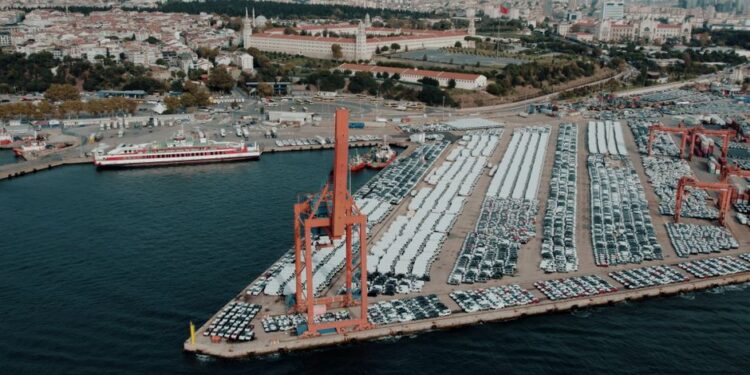
Maruti Suzuki has achieved a significant milestone by exporting one lakh vehicles to Japan, marking a pivotal moment in the acceptance of Indian automotive products in global markets.

Maruti Suzuki has reached a significant milestone by exporting one lakh vehicles, including the Jimny, FRONX, and e VITARA, to Japan. This achievement, announced on September 14, 2026, shows the increasing acceptance of Indian-made vehicles in a highly competitive automotive market.
Japan is now Maruti Suzuki’s second-largest export market by volume. The company accounted for nearly 100% of Suzuki’s imports in Japan during the fiscal year 2026. This success highlights the quality of Indian automotive manufacturing and Maruti Suzuki’s efforts to meet Japanese consumer needs.
The FRONX started its journey to Japan in August 2024. The Jimny followed in December 2024, and the e VITARA, the company’s first battery electric vehicle, joined in September 2025. Each model is designed and made in India, showcasing the country’s ability to produce vehicles that meet global standards.
Shifting Dynamics in Automotive Exports
Exporting one lakh units to Japan marks a key change in India’s automotive export dynamics. Career Ahead’s analysis indicates that this milestone reflects a growing demand for Indian automotive products worldwide. Japan, known for its strict quality standards, now sees the potential in Indian manufacturing.
As Maruti Suzuki establishes itself in Japan, other Indian automotive manufacturers can learn from this success. The strategies that led to this achievement can guide export managers looking to enter new markets. Understanding local consumer preferences and adapting products will be essential for success. A report by The Hindu emphasizes that Maruti Suzuki’s ability to meet Japanese expectations has been crucial, showing the importance of market research and product customization.
Understanding local consumer preferences and adapting products will be essential for success.
You may also like
 Industry & Global Trends
Hormuz Crude Oil Exports Near Pre-War Levels
The return to pre-war export levels is crucial as it indicates a stabilization in the oil market. Producers and shipping industries have adapted by employing…
Read More →Furthermore, the acceptance of Indian vehicles in Japan may inspire other manufacturers to explore similar export opportunities. This trend could boost competitive pricing and innovation in the Indian automotive sector as companies aim to meet international standards. Maruti Suzuki’s export success might also signal a shift in the global automotive landscape, where emerging markets play a larger role. The focus on electric vehicles, like the e VITARA, aligns with global sustainability trends, making Indian manufacturers more appealing to international consumers.
As demand for electric vehicles grows, supply chain analysts should monitor its impact on logistics and production strategies. Integrating electric vehicles into export portfolios will require changes in supply chain management, emphasizing efficient sourcing and distribution. The NEXA e VITARA, noted for its performance and features, illustrates how Indian manufacturers are adapting to global trends, as detailed in a report by Nexaexperience.
Implications for Supply Chain Optimization
The successful export of Maruti Suzuki vehicles to Japan highlights the need to optimize supply chains for international markets. Automotive export managers aiming to replicate this success must consider various factors for effective supply chain management. Career Ahead research shows that understanding local regulations, tariffs, and consumer preferences is essential for navigating new markets.
Supply chain analysts should focus on vehicle export logistics, including transportation methods and distribution channels. Experience from exporting to Japan can provide insights into streamlining processes and cutting costs. For instance, Maruti Suzuki’s ability to manufacture vehicles for the Japanese market shows how customization can meet local demands. This strategic approach enhances product appeal and optimizes the supply chain by minimizing excess inventory and costs.
A ZigWheels report highlights that understanding Japan’s competitive landscape and consumer behavior has been vital for Maruti Suzuki’s success, stressing the need for thorough market analysis.
Additionally, rising exports may require stronger relationships with local suppliers and distributors in target markets. Collaborating with local partners can improve market entry strategies and overall supply chain efficiency. This approach facilitates smoother operations and builds trust with local consumers. A ZigWheels report highlights that understanding Japan’s competitive landscape and consumer behavior has been vital for Maruti Suzuki’s success, stressing the need for thorough market analysis.

As the automotive industry evolves, supply chain analysts must watch for emerging technologies that enhance efficiency. Adopting digital tools for tracking shipments, managing inventory, and forecasting demand will be crucial for addressing global trade challenges. The shift towards electric vehicles also presents unique supply chain challenges, especially in sourcing materials for batteries and components. Automotive manufacturers must adjust their supply chains to meet the rising demand for electric vehicles while keeping costs down.
You may also like
 Industry & Global Trends
Man Charged
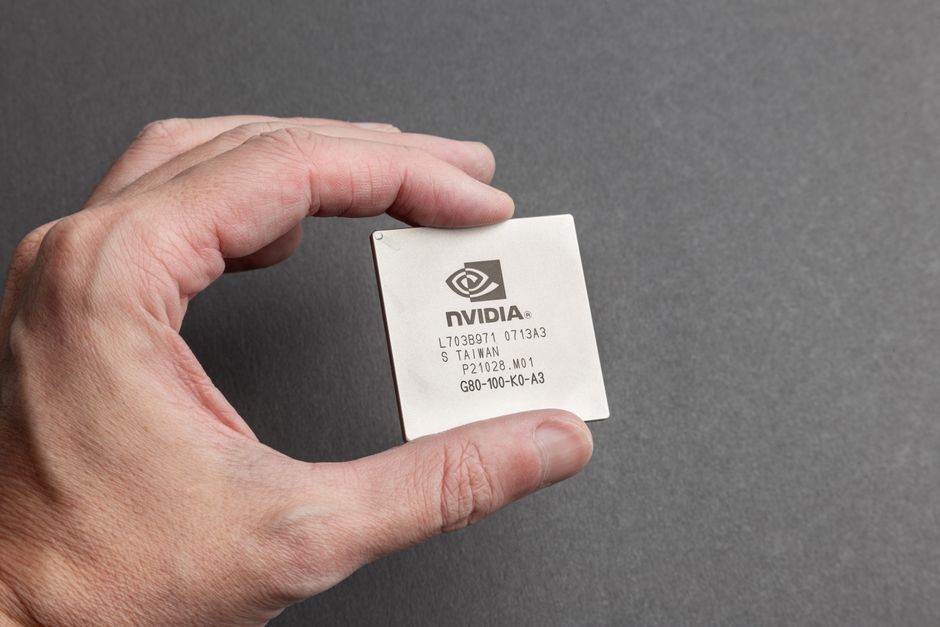
A US national has been charged with illegally exporting Nvidia chips to China, raising significant compliance and legal concerns in the semiconductor industry.
Read More →Maruti Suzuki’s achievement is not just a win for the company; it serves as a model for automotive export managers across India. Exporting one lakh units shows strong demand for Indian automotive products, suggesting potential changes in export strategies. This milestone highlights the need for export managers to be agile and responsive to market shifts.
As Japanese consumers increasingly embrace Indian vehicles, export managers should leverage this momentum to explore more opportunities in other international markets. Maruti Suzuki’s success could inspire confidence in other manufacturers to invest in export initiatives, contributing to the growth of the Indian automotive sector.
Looking ahead, the automotive landscape will likely see further changes as manufacturers adapt to evolving consumer preferences and technological advancements. The success of electric vehicles will be crucial in shaping the future of automotive exports.
Building strong relationships with local suppliers and distributors is also crucial for successful market entry.
In this context, supply chain optimization will be vital. Export managers must stay alert to global trends and be ready to adjust their strategies as needed. The changing dynamics of the automotive market present both challenges and opportunities that require proactive planning and execution.
As the automotive industry grows, how will Indian manufacturers respond to increasing competition in international markets? The next few years will be critical in shaping the future of automotive exports from India.
Frequently Asked Questions
What strategies can automotive export managers adopt from Maruti Suzuki’s success?
Career Ahead analysis shows that automotive export managers can learn from Maruti Suzuki’s focus on understanding local consumer preferences and adapting products. Building strong relationships with local suppliers and distributors is also crucial for successful market entry.
How does Maruti Suzuki’s export milestone affect supply chain logistics?
The export of one lakh units to Japan highlights the need for optimized supply chain logistics. Export managers must consider transportation methods, distribution channels, and local regulations to streamline processes and reduce costs.
You may also like
 Industry & Global Trends
$600 Billion Food Market Expands, Processing Gains Focus
India’s food market, now estimated to be worth $600 billion, is experiencing a robust growth rate of 7% compounded annually, driven by economic expansion and…
Read More →
What trends should supply chain analysts monitor in automotive exports?
Supply chain analysts should watch the rise of electric vehicles and the technologies that improve supply chain efficiency. Understanding sourcing challenges for electric vehicle components will also be critical as demand grows.