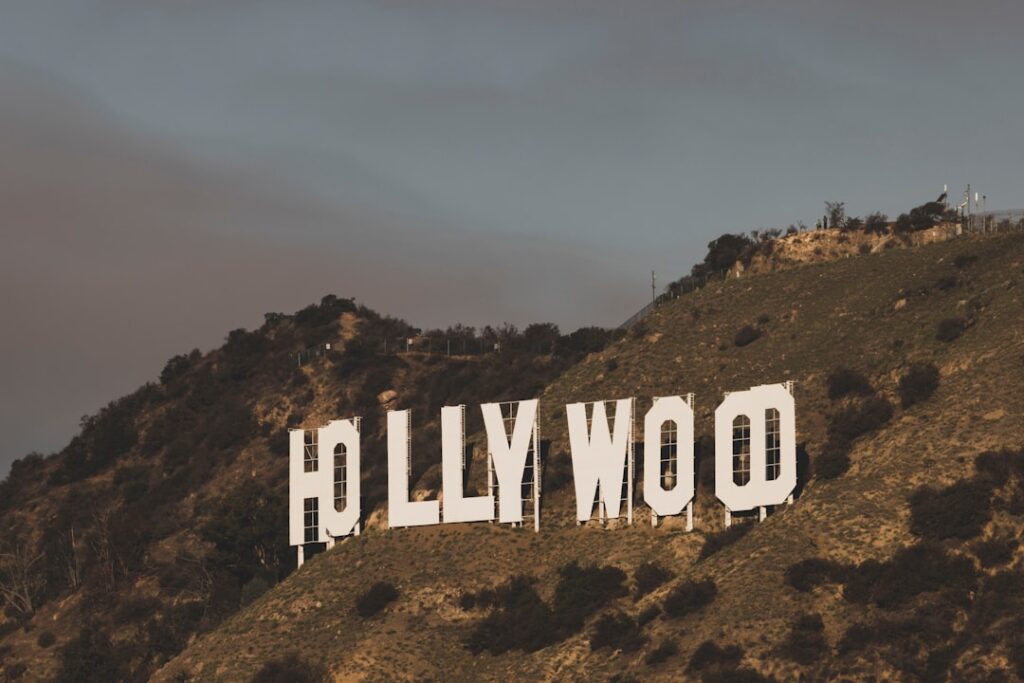
Hollywood’s Creative Workforce Faces Disruption
The entertainment industry is undergoing a seismic shift as artificial intelligence (AI) becomes increasingly integrated into content creation. Many traditional roles are being redefined, with former screenwriters and television creators transitioning into AI trainers. This change raises critical questions about job security and the future of creativity in Hollywood.
According to a recent article on Wired, many industry professionals are now secretly training AI systems. These creators are adapting to a landscape where their traditional skills are less valued, tasked with molding AI tools that could potentially replace them. This paradox illustrates the tension between technological advancement and job displacement.
The impact of this trend extends beyond individual careers. As AI becomes capable of generating scripts and content, the need for human creators may diminish, leading to a homogenized creative landscape where unique voices are overshadowed by algorithmically generated content.
Reskilling for the AI Era
As demand for AI training roles grows, many former creators are re-skilling to remain relevant. Forbes highlights how these professionals leverage their storytelling expertise to guide AI systems, teaching them about narrative structures, character development, and emotional depth. This intersection of creativity and technology is reshaping their careers.
Forbes highlights how these professionals leverage their storytelling expertise to guide AI systems, teaching them about narrative structures, character development, and emotional depth.
However, the transition is not without challenges. Some creators express concerns about the emotional toll of shifting from crafting stories to training machines, finding the work repetitive and less fulfilling. This sentiment is echoed in discussions among industry insiders, who worry about the long-term implications of such a shift.
Economic Shifts in Hollywood
The economic landscape of Hollywood is also changing due to the rise of AI. With the potential for reduced labor costs, studios may opt for AI-generated content over traditional methods, leading to significant job losses across various sectors. According to data from Hollywood Reporter, the number of traditional writing jobs is already declining as studios experiment with AI tools.
While the use of AI could decrease production costs and allow studios to invest in more projects, it may also dilute quality as studios prioritize quantity over creativity. The balance between economic efficiency and artistic integrity is delicate, and the industry must navigate these challenges carefully.
Contradictions and Industry Debates
The rise of AI in Hollywood presents contradictions. On one hand, AI offers opportunities for efficiency and innovation; on the other, it threatens the essence of creativity. Many industry veterans argue that AI can never replicate the human experience that informs storytelling, fueling ongoing debates about technology’s role in creative fields.
These narratives reflect a range of perspectives within the industry. While some embrace the change, others resist it fiercely, highlighting the complexity of the situation. As creators navigate their new roles, the varying degrees of acceptance and resistance will shape how AI is integrated into the industry.
 Entrepreneurship & Business
Tata Trusts Restructures Tata Sons for Strategic Shift
Tata Trusts has proposed a significant restructuring of Tata Sons Private Limited (TSPL) to prevent its classification as a financial company, amidst rising tensions over…
Read More →The balance between economic efficiency and artistic integrity is delicate, and the industry must navigate these challenges carefully.

Envisioning a Collaborative Future
The future of Hollywood may be characterized by a new creative paradigm, where humans and AI collaborate to produce content. This hybrid model could harness the strengths of both, leading to innovative storytelling approaches. However, for this collaboration to succeed, the industry must address job security and creative integrity.
Training programs that equip creators with the skills to work alongside AI will become increasingly important. Additionally, fostering a culture of adaptability and resilience will help the industry navigate this transition. Ultimately, the future of Hollywood hinges on its ability to embrace change while preserving the essence of storytelling.
Written by Career Ahead AI. AI can make mistakes, so verify key facts. Report errors to support@careeraheadonline.com.