No products in the cart.

Hormuz Crisis Shows Gaps in Taiwan’s High-Tech ‘Silicon Shield’
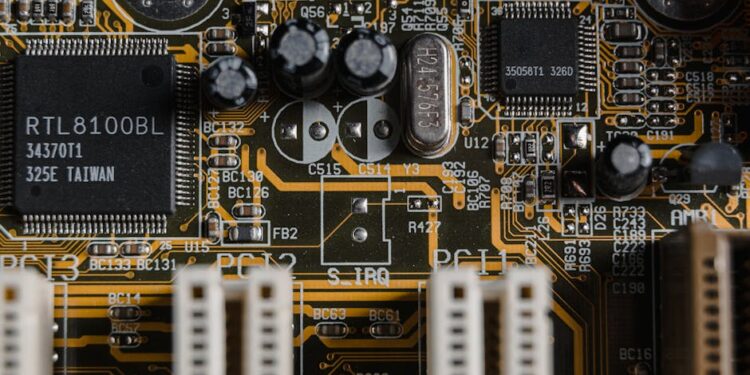
The Hormuz crisis has highlighted vulnerabilities in Taiwan's semiconductor industry, raising concerns about the global supply chain and national security. As tensions escalate, Taiwan's reliance on its high-tech sector becomes increasingly precarious.

Hormuz Crisis Highlights Vulnerabilities in Taiwan’s Semiconductor Industry
The recent crisis in the Hormuz Strait has raised alarms about Taiwan’s semiconductor industry. As tensions escalate, the vulnerabilities of Taiwan’s high-tech sector come into sharper focus. This region is crucial for global chip production, and any disruption could have widespread implications.
According to a report by Bloomberg, the Hormuz crisis has exposed gaps in Taiwan’s high-tech ‘silicon shield’. The island’s dominance in chip manufacturing has made it prosperous but also highly vulnerable.
Economic Prosperity vs. National Security
Taiwan’s semiconductor industry, often referred to as its ‘silicon shield’, is a critical asset for national defense and economic stability. However, this reliance on technology also exposes Taiwan to significant vulnerabilities. The Hormuz crisis exemplifies how external factors can threaten Taiwan’s high-tech ecosystem.
As noted by The New York Times, Taiwan’s semiconductor industry has thrived due to its advanced technology and skilled workforce. Yet, the increasing geopolitical tensions and potential military threats from China complicate the landscape. This duality creates a precarious balance between economic prosperity and national security.
As noted by The New York Times, Taiwan’s semiconductor industry has thrived due to its advanced technology and skilled workforce.
Global Supply Chain Risks
The Hormuz crisis not only threatens Taiwan but also poses risks to the global supply chain. Disruptions to Taiwan’s semiconductor production could ripple through various industries, impacting everything from automotive to consumer electronics. The world has become increasingly reliant on Taiwan’s chips, and any instability could lead to significant shortages.
According to The Guardian, Taiwan’s semiconductor industry accounts for a substantial portion of global chip production. The potential for conflict in the region raises alarms about the future of technology-dependent economies. Companies worldwide must prepare for the possibility of supply chain disruptions.
Strengthening the Silicon Shield
Taiwan’s government is acutely aware of the challenges posed by the Hormuz crisis. In response, officials are exploring strategies to fortify the semiconductor industry and enhance national security. This includes increasing military readiness and establishing stronger ties with allies.
As reported by CNBC, the U.S.-Taiwan chip deal aims to enhance collaboration and reduce dependence on single points of failure. However, the effectiveness of these measures remains uncertain amidst rising tensions.
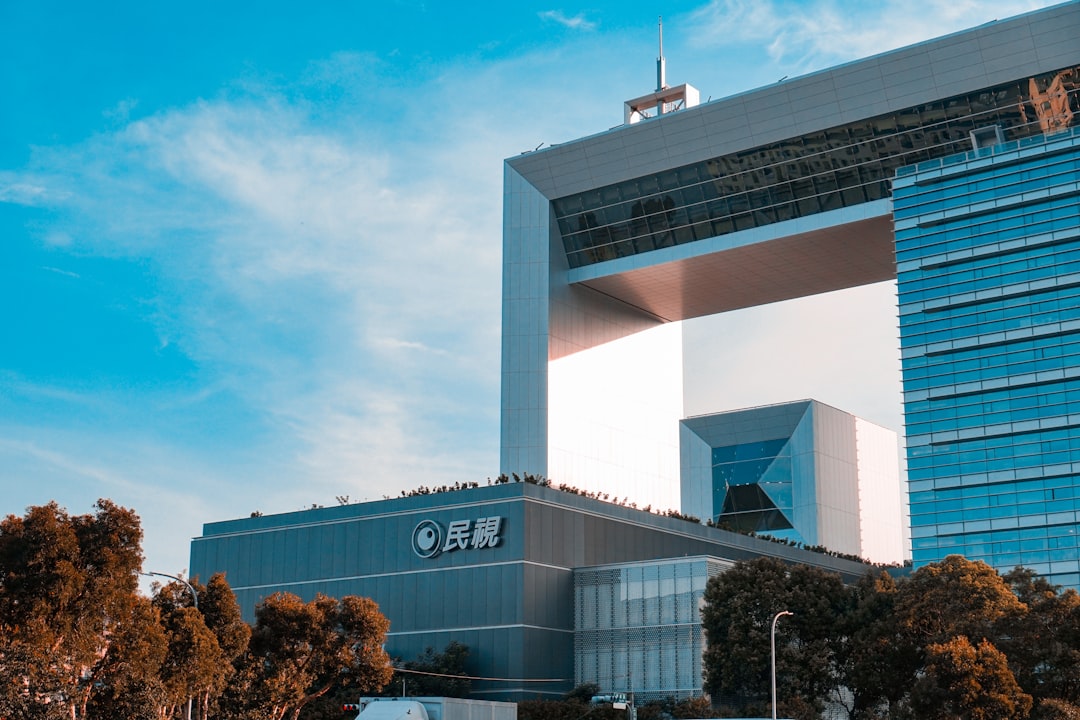
The Future of Taiwan’s Semiconductor Industry
As geopolitical tensions continue to rise, the situation in the Hormuz Strait will likely remain a focal point for Taiwan’s semiconductor industry. Companies and governments must remain vigilant. The interplay between Taiwan’s silicon shield and external threats will shape the future of global technology.
You may also like
 AI & Technology
DeepSeek Closes AI Gap with US Rivals to 3%
Chinese AI firm DeepSeek has successfully narrowed the performance gap with leading US AI models to just 3%, signaling a significant shift in the global…
Read More →The Future of Taiwan’s Semiconductor Industry As geopolitical tensions continue to rise, the situation in the Hormuz Strait will likely remain a focal point for Taiwan’s semiconductor industry.
Will Taiwan’s efforts to strengthen its semiconductor industry be enough to withstand future crises? The answer remains uncertain, but the stakes are high for the global economy. As the world watches, the next moves made by Taiwan and its allies will be critical in determining the fate of the tech landscape.
Sources: The New York Times, CNBC, The Guardian, Stimson Center.