No products in the cart.

Fertiliser Supply Crisis Unfolds
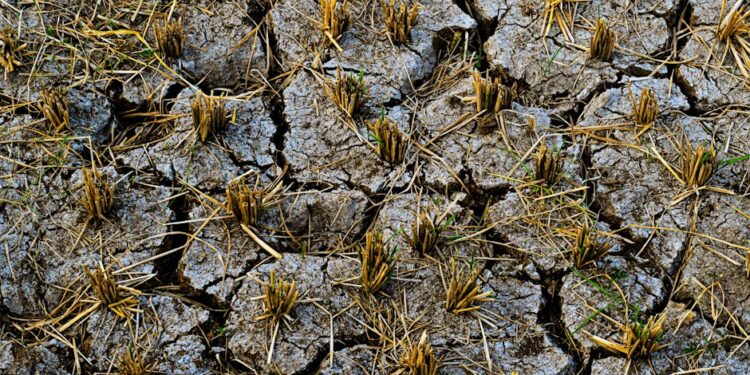
The ongoing conflict in the Middle East has led to significant disruptions in the global supply of fertiliser, causing prices to surge by 50% to 70%. This spike in costs is expected to have a dramatic impact on food prices globally, affecting farmers and consumers alike.

Fertiliser Supply Crisis Unfolds
The ongoing conflict in the Middle East has led to significant disruptions in the global supply of fertiliser. Mark Preston, an executive at the Grosvenor Group, warns that farmers have seen fertiliser prices surge by 50% to 70% since the war began. This spike in costs is expected to have a dramatic impact on food prices globally as farmers face increasing expenses in crop production.
The closure of the Strait of Hormuz has further exacerbated the situation. This critical shipping route is vital for transporting liquefied natural gas and fertiliser, crucial components for nitrogen-based fertilisers. With the strait effectively closed, the flow of these essential supplies has been severely restricted, putting pressure on food production systems worldwide.
Impact on Food Security and Availability
According to euronews.com, the fertiliser crisis has sparked fears about food security, particularly in vulnerable regions. The rising costs of fertiliser not only affect farmers but also lead to increased grocery prices for consumers. As farmers grapple with these challenges, the long-term implications for global food availability and prices are becoming increasingly concerning.
Research from PBS News highlights that farmers across the globe are bracing for a food price spike as the war continues to drive up both fuel and fertiliser costs. This situation not only threatens the profitability of farms but also raises concerns about food access for consumers, particularly in developing countries where food prices are already a burden.
Responses from the Agricultural Sector
In response to the fertiliser crisis, farmers are exploring alternative methods to maintain crop yields. Some are looking into more sustainable farming practices that rely less on chemical fertilisers. This shift may lead to innovations in agriculture, but it also requires time and investment that many farmers may not be able to afford.
According to nature.com, policymakers need to consider strategies that can mitigate the impact of fertiliser shortages, such as subsidies or investment in local production of fertilisers.
Additionally, there is a growing call for governments and agricultural organizations to provide support to farmers facing these challenges. According to nature.com, policymakers need to consider strategies that can mitigate the impact of fertiliser shortages, such as subsidies or investment in local production of fertilisers.
You may also like
 Entrepreneurship & Business
Marico Boosts Plix Stake to 84.09%; Q2 Revenue Surge Ahead
Marico has increased its stake in Satiya Nutraceuticals to 84.09%, a strategic move expected to enhance revenue growth amid rising consumer demand for health-focused products.…
Read More →The World Bank has previously warned that disruptions in fertiliser supply can lead to food shortages, particularly in regions that rely heavily on imports. The current crisis could exacerbate existing inequalities in food access, making it difficult for low-income families to afford basic necessities.

Economic Implications of Rising Food Costs
The economic ramifications of rising food prices extend beyond the agricultural sector. Higher food costs can lead to inflationary pressures, affecting overall economic stability. Consumers may cut back on spending in other areas as they allocate more of their budgets to food, which could slow down economic growth.
Furthermore, the impact on food prices can vary significantly across different regions. In wealthier countries, consumers may be able to absorb higher costs, but in poorer nations, the consequences can be dire. Increased food prices can lead to higher rates of food insecurity and malnutrition, particularly among vulnerable populations.
As reported by AP News, the potential for civil unrest rises in regions where food prices spike dramatically. Historical data shows that food price inflation has often been a catalyst for protests and social unrest, highlighting the need for careful monitoring of the situation as it develops.
Consumers may cut back on spending in other areas as they allocate more of their budgets to food, which could slow down economic growth.
Future Outlook on Fertiliser Supply and Food Prices
The outlook for fertiliser supply remains uncertain, heavily dependent on geopolitical developments in the Middle East. If the conflict continues without resolution, the global agricultural sector may face prolonged challenges. Farmers may need to adapt to a new norm of higher prices and limited access to essential resources.
Analysts suggest that the situation could lead to a reevaluation of global supply chains in agriculture. Companies may seek to diversify their sources of fertiliser to mitigate risks associated with geopolitical instability. This could result in changes to pricing structures and availability in the long term.
You may also like
 Entrepreneurship & Business
College Students Shape the Future of A.I. Investment
College students are increasingly influencing the A.I. investment landscape, with initiatives like Dorm Room Fund raising substantial capital. This shift highlights the growing importance of…
Read More →
As the world watches the developments, the interconnected nature of global agriculture and food security becomes increasingly evident. The current crisis serves as a stark reminder of how fragile food systems can be in the face of international conflicts.