No products in the cart.

Houthi Attacks Drive Oil Prices Toward $100 a Barrel
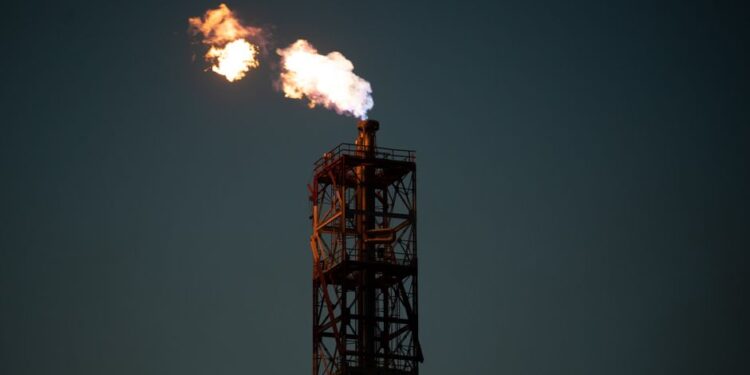
Brent crude prices are nearing $100 a barrel following Houthi attacks on oil infrastructure, prompting a reassessment of investment strategies and market forecasts amid rising geopolitical tensions.

Brent crude prices have surged toward $100 a barrel. This increase follows recent attacks by Houthi rebels on oil infrastructure in the Middle East. These attacks have heightened tensions in the region. Analysts predict that oil prices will stay high for the foreseeable future. The market’s reaction shows how sensitive oil prices are to geopolitical events.
The Houthi attacks occurred on September 8, 2026. They targeted key oil facilities, causing major supply disruptions. This conflict escalation has caught the attention of global investors and energy market analysts. The potential for further disruptions looms large. As a result, Brent crude prices have risen significantly, raising concerns about inflation and economic stability.
Investment Strategies for Oil and Gas Investors
The current rise in oil prices brings both challenges and opportunities for oil and gas investors. Career Ahead’s analysis suggests that investors should closely monitor geopolitical developments. These events can cause rapid changes in oil prices. The Houthi attacks remind us of the risks of investing in conflict-prone regions.
Given recent events, oil and gas investors may want to diversify their portfolios. Investments in alternative energy sources or companies with strong supply chain management could help mitigate risks. Additionally, focusing on companies with solid hedging strategies may offer protection against sudden price spikes.
Historical trends show that geopolitical events often lead to short-term price increases. These are usually followed by corrections as markets stabilize. For instance, after the Gulf War, oil prices spiked but later adjusted when supply chains were restored. Investors should consider these patterns when making decisions now.
As Brent crude nears the $100 mark, investors should reassess their risk tolerance and investment horizon. Short-term trading strategies may seem more appealing. In contrast, long-term investments could face more uncertainty. Career Ahead research indicates that understanding the link between geopolitical tensions and oil supply is vital for informed investment choices.
Career Ahead research indicates that understanding the link between geopolitical tensions and oil supply is vital for informed investment choices.
Market Analysis Adjustments for Energy Market Analysts
You may also like
 Industry & Global Trends
US Employers Cut Hiring, Wage Growth Stalls | Career Outlook
The implications of this hiring slowdown are profound. With fewer positions available, job seekers face increased competition for roles, while HR managers must rethink their…
Read More →Energy market analysts must now adjust their forecasts due to the recent rise in oil prices. The Houthi attacks show the need to include geopolitical risks in market models. Analysts should consider how these events can disrupt immediate supply and long-term pricing trends.
According to bahanews.com, analysts expect Brent crude prices to stay high for the rest of the year. Ongoing tensions in the Middle East support this prediction. This situation requires a reevaluation of demand forecasts. Higher oil prices may lead to reduced consumption in some sectors. Energy analysts should also assess the potential impact on alternative energy markets, which may see shifts in investment as oil prices rise.
Moreover, higher oil prices affect more than just the energy sector. Industries like transportation and manufacturing rely on oil. They may face increased costs, which could be passed on to consumers. This situation highlights the need for analysts to take a comprehensive approach when assessing market impacts.
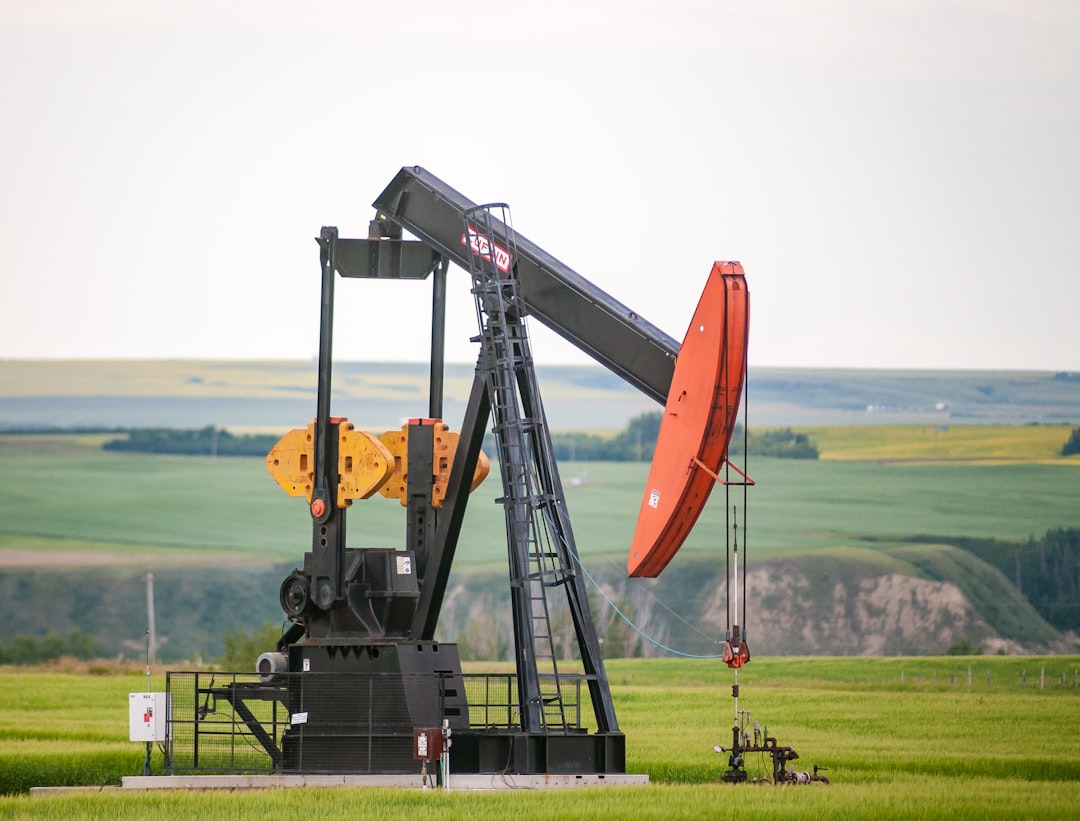
As the situation evolves, analysts should stay vigilant and adaptable. Career Ahead’s analysis shows that incorporating real-time geopolitical data into market assessments will improve forecasting accuracy. Quickly responding to changing conditions will be crucial for analysts providing valuable insights to clients.
Potential Shifts in Global Energy Supply Chains
The recent Houthi attacks could significantly disrupt global energy supply chains. As Brent crude prices rise, the implications for these supply chains are becoming clearer. The Middle East is a critical hub for oil production. Any instability there can ripple through global markets.
This could involve diversifying sourcing options or investing in more resilient logistics networks.
Energy companies may need to rethink their supply chain strategies to address heightened risks. This could involve diversifying sourcing options or investing in more resilient logistics networks. According to horizoninvesting.com, the current geopolitical climate may push companies to explore alternative routes for oil transport. This would help mitigate risks linked to chokepoints in the region.
Additionally, rising oil prices might speed up the transition to alternative energy sources. As consumers and industries face higher energy costs, interest in renewable energy investments may grow. This shift could reshape the energy landscape and prompt energy companies to adapt their business models.
You may also like
 Industry & Global Trends
Triyoga’s Crisis: Unpaid Instructors, Financial Struggles
Triyoga, once a favorite among celebrities and fitness enthusiasts, faced significant financial challenges leading to its downfall. Instructors reported that they had not received their…
Read More →
Furthermore, the potential for increased regulation and oversight in the energy sector is significant. Governments may impose stricter controls on oil exports and imports due to rising prices and geopolitical tensions. Companies will need to stay informed and agile in their operations to navigate this regulatory environment.
The situation in the Middle East reminds us of the interconnectedness of global energy markets. As Brent crude prices approach $100 a barrel, stakeholders across the energy sector must prepare for potential disruptions and adapt to a changing landscape.
The effects of the Houthi attacks on oil prices and global supply chains will continue to unfold. Investors and analysts must remain alert to the evolving geopolitical landscape and its impact on energy markets.
Investors and analysts must remain alert to the evolving geopolitical landscape and its impact on energy markets.
Frequently Asked Questions
What factors are driving the current rise in oil prices?
The rise in oil prices is mainly driven by geopolitical tensions. The recent Houthi attacks on oil infrastructure have raised concerns about supply disruptions. This has led to increased demand for oil and subsequent price hikes.
How should energy market analysts adjust their forecasts in light of recent events?
Energy market analysts should include geopolitical risks in their models. They must consider the potential for supply chain disruptions. Adjusting demand forecasts for higher prices and exploring impacts on alternative energy markets is also essential.

What investment strategies should oil and gas investors consider during periods of high volatility?
Oil and gas investors may want to diversify their portfolios to reduce risks from geopolitical events. Focusing on companies with strong supply chain management and robust hedging strategies can help protect against price volatility.
You may also like
 Industry & Global Trends
What is happening to the Indian IT bench? | Explained | Career Outlook
India's IT sector is undergoing significant changes in its bench policies, impacting job security and project allocation for IT professionals. Major firms are tightening their…
Read More →