The Rise of the Smartwatch: A New Office Companion
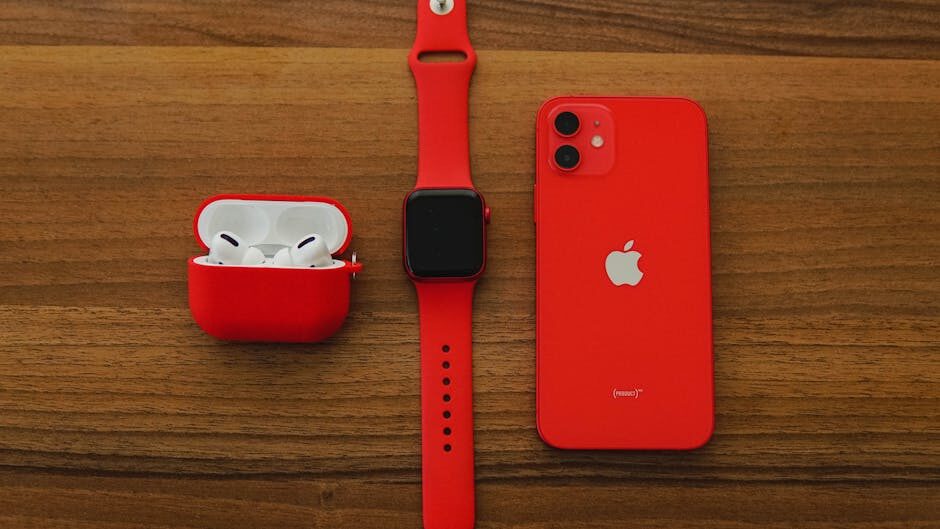
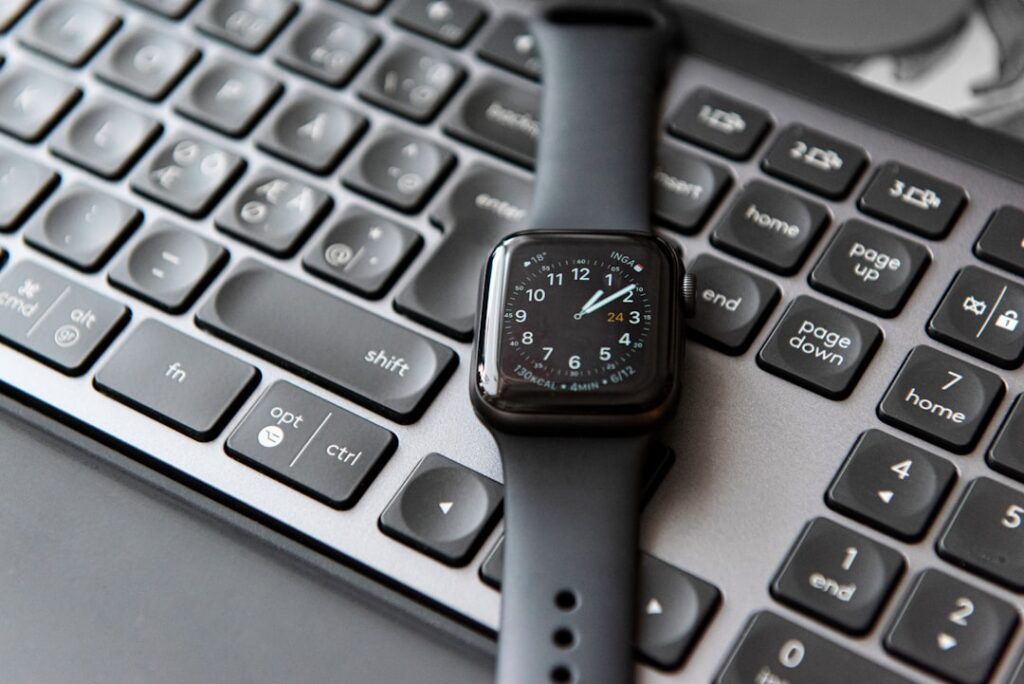
When the Apple Watch launched in 2015, users saw it as a stylish fitness tracker and notification tool. Now, it has evolved into a vital office assistant. A 2023 Pew Research Center survey found that 43% of U.S. adults own a smartwatch, and among them, 71% use it for work tasks. Calendar alerts, messages, and document approvals come with a gentle tap, helping employees stay productive without reaching for their laptops.
This boost in productivity is backed by data. Gallup’s 2022 study showed that 62% of respondents felt their work-life balance improved after using a smartwatch. The device can remind users of meetings while they’re in the kitchen or allow them to approve timesheets during commutes, reducing the gap between personal and professional time.
Smartwatches also serve as data hubs. Heart-rate variability (HRV) monitors, once aimed at athletes, now feed into corporate wellness programs, giving employers real-time insights into employee stress levels. The New York Times recently discussed the bio-hacking potential of HRV, highlighting that these devices are now central to the modern office.
productivity or Pressure? The Double-Edged Sword of Wearable Tech
Each notification for a new email or Slack message promises quick action but also brings stress. A Harvard Business Review analysis from 2023 found that 45% of employees report increased stress due to constant smartwatch alerts. What began as a health tool has become a reminder that work never truly ends.
This constant connectivity blurs the lines between work and personal time. The American Psychological Association warned in 2022 that this erosion contributes to burnout and lower job satisfaction. When managers expect responses at 10 p.m., the pressure to be “always-on” becomes the norm.
A Harvard Business Review analysis from 2023 found that 45% of employees report increased stress due to constant smartwatch alerts.
However, the same data that reveals stress also shows improved communication. Gallup’s 2022 findings indicated that 71% of workers feel collaboration has improved due to wearable tech. Quick approvals and instant updates foster a responsive culture that can speed up projects.
This creates a paradox: features that enhance efficiency can also increase pressure. Companies that prioritize rapid responses without clear “off-hours” policies risk turning smartwatches from productivity tools into silent overseers.
Navigating the Balance: Health, Work, and Technology
Smartwatches have made health monitoring accessible at work. By tracking steps, sleep, and HRV, they help employees make informed health choices. Harvard Business Review noted that 62% of workers saw improved health outcomes after engaging in wearable wellness programs, reporting better sleep and more movement breaks.
As AI systems become more prevalent, the conversation around liability and accountability intensifies. Developers, ethicists, and lawmakers are grappling with the implications of rogue AI…
Yet, the same metrics that highlight progress can also create pressure. When employers use health data in performance reviews, employees may feel judged for not meeting wellness targets. The American Psychological Association noted a rise in guilt among workers whose biometric data fell short, which can quickly harm morale.
Leaders must leverage health data without crossing into surveillance. Clear policies that distinguish voluntary wellness tracking from mandatory performance metrics are crucial. When employees know the data is for insights, not penalties, trust in technology and the organization remains strong.
The American Psychological Association noted a rise in guilt among workers whose biometric data fell short, which can quickly harm morale.
The Ripple Effects of Smartwatches on Workplace Culture
Smartwatches are changing workplace expectations. Gallup’s 2022 survey found that 71% of employees enjoy more flexibility thanks to wearable devices that let them manage tasks on their own time. Remote and hybrid teams especially rely on wrist alerts to stay aligned across time zones.
However, this flexibility can create an unspoken demand for constant availability. Harvard Business Review’s 2023 report noted that remote workers often feel a “digital tether,” with managers expecting quick replies regardless of personal commitments. This creates a culture where autonomy coexists with increased pressure.
Progressive companies are addressing this with “watch etiquette.” Some have implemented “quiet hours” when smartwatch notifications are muted, while others set clear response-time expectations that respect personal boundaries. These policies emphasize that technology should support employees, not control them.
Strategic Perspective
Integrating smartwatches into daily workflows has changed how work is done. The benefits—better communication, real-time health insights, and task management without laptops—come with risks of stress and blurred personal boundaries. Leaders must create policies that define clear usage norms, protect privacy, and encourage voluntary wellness participation. This way, smartwatches can become allies in achieving sustainable productivity.
The future of workplace design will be shaped not just by screens and desks, but by the subtle reminders to act—and, importantly, when to
The return to pre-war export levels is crucial as it indicates a stabilization in the oil market. Producers and shipping industries have adapted by employing…
First, wrist-worn devices can boost efficiency but also increase anxiety; a balanced approach is essential. Second, health-tracking features can enhance wellbeing but may backfire when linked to performance metrics. Third, the shift toward constant connectivity requires clear boundaries to prevent burnout, especially in remote and hybrid environments.
As the office evolves from cubicles to clouds, the smartwatch stands at the crossroads of technology, health, and human behavior. The future of workplace design will be shaped not just by screens and desks, but by the subtle reminders to act—and, importantly, when to





 AI & Technology
Industry & Global Trends