No products in the cart.

How A.I. Might Change the Way Doctors Think
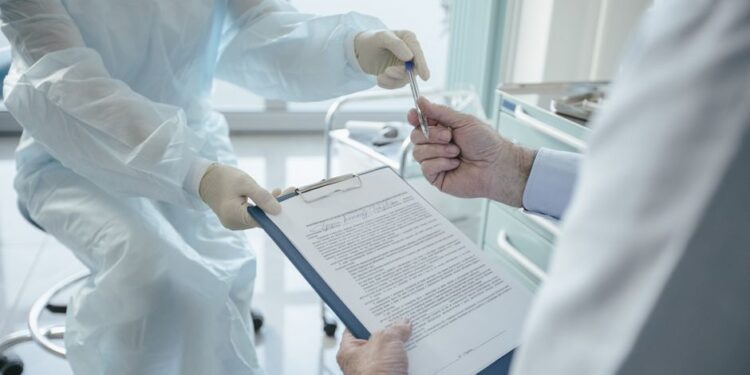
AI is transforming the documentation process in healthcare, enabling doctors to prioritize patient care while enhancing diagnostic accuracy.

AI is revolutionizing how doctors document patient exams. Major advancements in AI-assisted tools are enhancing diagnostic accuracy and reshaping healthcare workflows. This transformation is particularly crucial for primary care physicians and medical researchers as they adapt to new technologies.
Traditionally, writing a patient exam summary was a vital task for physicians. Now, AI tools can automate much of this process, allowing doctors to focus more on patient care. This shift not only improves efficiency but also enhances diagnostic accuracy. A recent article in The New Yorker notes that doctors increasingly rely on AI for documentation, leading to a more streamlined workflow that prioritizes patient interaction over administrative tasks.
AI’s Role in Medical Documentation
AI-assisted documentation tools are becoming commonplace in healthcare. These tools analyze patient data and generate summaries, significantly reducing the cognitive load on physicians. For instance, AI can quickly identify patterns in patient histories and suggest diagnoses, streamlining the decision-making process. A report from Forbes highlights that AI can process vast amounts of data, cutting down the time physicians spend on paperwork and allowing them to dedicate more time to direct patient care.
According to an analysis by Career Ahead, AI tools are expected to enhance the accuracy of medical documentation, which is critical since misdiagnoses can have severe consequences. By minimizing human error, AI helps ensure patients receive timely and appropriate treatment. As more physicians adopt AI-assisted documentation, these systems will improve over time, leading to better patient outcomes and a significant advancement in healthcare delivery.
For example, AI can assist in detecting early signs of diseases like cancer by analyzing imaging data more effectively than traditional methods, enabling earlier interventions that are critical for successful treatment.
Enhancing Diagnostic Accuracy and Patient Interaction
The integration of AI in medical documentation is poised to significantly enhance diagnostic accuracy. AI systems can analyze extensive datasets to identify trends and correlations that may elude human physicians. This capability allows for more precise diagnoses, resulting in better treatment plans and improved patient outcomes. For example, AI can assist in detecting early signs of diseases like cancer by analyzing imaging data more effectively than traditional methods, enabling earlier interventions that are critical for successful treatment.
Furthermore, the incorporation of AI into documentation can transform physician-patient interactions. With AI managing much of the administrative workload, physicians can devote more time to direct patient care, fostering more meaningful conversations and enhancing the overall healthcare experience. However, there are concerns about the potential depersonalization of care, as patients may feel their interactions are less personal if they perceive AI as driving decision-making. Striking a balance between AI efficiency and the empathetic touch of human interaction will be essential for future healthcare delivery.
You may also like
 AI & Technology
AI Interviewing Transforms Future Hiring Landscape
HackerRank's AI interviewer, Chakra, is transforming recruitment by streamlining the hiring process and emphasizing critical thinking and problem-solving skills in candidates.
Read More →Adapting to AI in Medical Practice
As AI continues to evolve, healthcare providers must find ways to integrate these technologies while preserving the human element in patient care. This balance is vital for ensuring patients feel valued and understood throughout their healthcare journeys. Career Ahead’s analysis indicates that the shift to AI-assisted documentation will improve efficiency and necessitate a reevaluation of how physicians interact with patients. Ongoing training and adaptation will be crucial for healthcare professionals to leverage AI effectively.
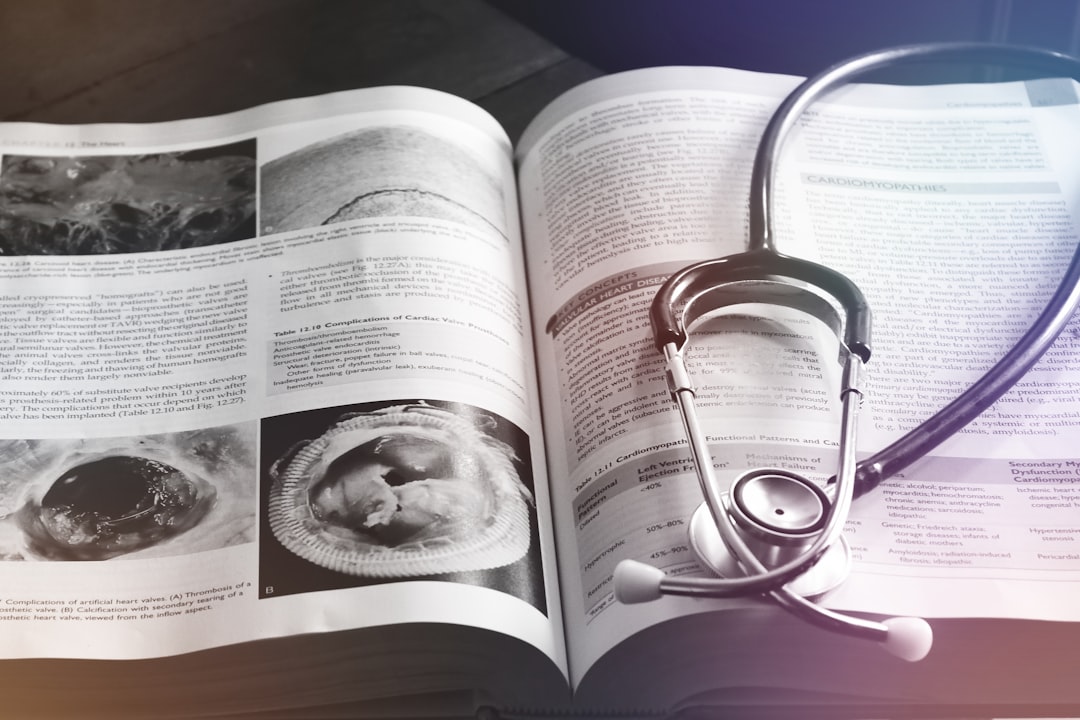
The ongoing integration of AI into healthcare raises significant considerations for the future of the profession. As AI tools become more sophisticated, physicians must remain informed about the latest technologies and their applications in patient care, requiring a commitment to lifelong learning and adaptability. Additionally, as AI assumes more roles in documentation and diagnostics, medical researchers must explore the implications of these changes, particularly regarding patient outcomes and the healthcare system.
Regulatory Considerations and Future Directions
Moreover, regulatory bodies must establish guidelines for the use of AI in healthcare to ensure that these tools are safe, effective, and equitable, thereby maintaining public trust in the healthcare system. Collaboration among healthcare professionals, technologists, and policymakers will be essential in shaping the future of AI in medicine. As we look ahead, the role of AI in healthcare will continue to expand, raising the question: how will healthcare professionals adapt to this rapidly changing landscape? Embracing new technologies while prioritizing patient care will be crucial for success in the evolving medical field.
Collaboration among healthcare professionals, technologists, and policymakers will be essential in shaping the future of AI in medicine.
Frequently Asked Questions
How can primary care physicians adapt to AI in patient documentation?
Primary care physicians can adapt by engaging in training programs focused on AI technologies. Staying informed about new tools and their applications is essential for effective integration.

What are the implications of AI on medical research methodologies?
AI’s integration into medical research can enhance data analysis and improve the accuracy of findings. Researchers must consider how AI tools can complement traditional methods for better results.
What should physicians do about the increasing role of AI in diagnostics?
You may also like
 AI & Technology
Higher education reallocates capital to digital platforms
The analysis that follows dissects the mechanisms, systemic implications, and stakeholder outcomes.
Read More →Physicians should embrace AI technologies as tools to enhance their practice. By understanding and using AI, they can improve diagnostic accuracy and patient care while maintaining the essential human element.