No products in the cart.

USMCA Talks Reshape Automotive Manufacturing Landscape
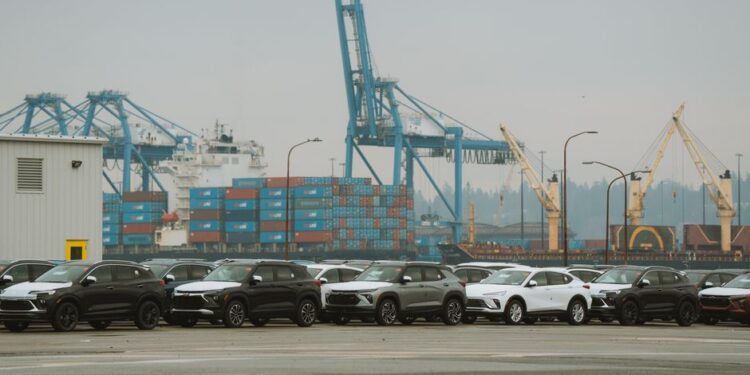
The uncertainty surrounding the USMCA trade agreement renewal poses significant risks for automotive manufacturers and import/export specialists. Understanding these dynamics is crucial for navigating future supply chain challenges and compliance requirements.

The U.S. administration announced on July 1, 2026, that it would not request to renew the U.S.-Mexico-Canada Agreement (USMCA) right away. This leaves automotive manufacturers and import/export specialists uncertain about future trade conditions. The decision comes amid ongoing negotiations and raises important questions about tariffs, compliance, and market access for goods.
The automotive industry relies heavily on cross-border supply chains. This announcement has significant implications. Manufacturers must now navigate a landscape where trade rules may shift unexpectedly, impacting their operations and profits.
Tariff Implications for Automotive Parts
Changes in tariffs under the USMCA could greatly affect automotive manufacturers. Currently, the agreement allows tariff-free access to certain automotive parts, creating a competitive environment in North America. However, with uncertainty about renewal, manufacturers risk facing increased tariffs on imported parts, raising production costs.
Career Ahead’s analysis shows that if tariffs rise, manufacturers may have to absorb these costs or pass them to consumers. This could hurt their market competitiveness. For example, World Bank data suggests that even a 5% tariff increase could significantly raise vehicle prices and reduce demand.
Additionally, the automotive sector’s reliance on just-in-time inventory systems means that even small supply chain disruptions can cause production delays. Bloomberg’s analysis indicates that a tariff hike could push manufacturers to relocate production or source components from countries with lower tariffs, complicating supply chains further.
In light of these changes, automotive manufacturers should closely monitor trade negotiations. They should also assess their supply chain strategies. This proactive approach can help reduce risks linked to potential tariff increases.
In light of these changes, automotive manufacturers should closely monitor trade negotiations.
Changes in Trade Compliance Requirements
The USMCA negotiations may also introduce new compliance requirements for automotive manufacturers. The current agreement has specific rules of origin that dictate how much of a vehicle must be produced in North America for tariff-free treatment. Changes to these rules could add compliance burdens for manufacturers.
Career Ahead research shows that manufacturers may need to invest in new compliance systems to meet any revised regulations. This could increase operational costs and complexity, especially for smaller manufacturers with fewer resources to adapt quickly.
Moreover, recent reports from the BBC highlight a growing focus on environmental standards and labor regulations in trade agreements. If the USMCA negotiations include stricter compliance measures related to sustainability, manufacturers will need to adjust their practices, potentially raising production costs.
You may also like
 Industry & Global Trends
Netflix’s Bold Summer Moves on Sunset Boulevard | Workforce Shift
Netflix is making headlines with a bold marketing stunt on Sunset Boulevard, hiring an actor to live inside a billboard for three days to promote…
Read More →
Staying informed about compliance changes is crucial for automotive manufacturers. Engaging with legal and trade experts can provide valuable insights into navigating new requirements and ensuring compliance with evolving regulations.
Career Ahead analysis suggests that manufacturers may need to explore alternative markets or diversify their product offerings to reduce risks from potential market access limitations.
Manufacturers who proactively address compliance challenges may find opportunities to boost their competitiveness by demonstrating adherence to higher standards.
Market Access and Future Opportunities
The uncertainty around the USMCA renewal also raises questions about market access for automotive manufacturers. The current agreement facilitates access to both the U.S. and Canadian markets, which are vital for many manufacturers. Changes could limit this access, affecting sales and growth opportunities.
Career Ahead analysis suggests that manufacturers may need to explore alternative markets or diversify their product offerings to reduce risks from potential market access limitations. This could involve investing in new technologies or developing vehicles that align with emerging trends, such as electric vehicles.
As the automotive industry evolves, manufacturers must stay agile and adaptable. The shift toward electric vehicles and sustainable practices offers growth opportunities, but manufacturers must align their strategies with changing consumer preferences and regulatory landscapes.
Understanding the implications of the USMCA negotiations is critical for manufacturers aiming for future success. By staying informed and proactive, they can navigate the complexities of trade agreements and seize emerging opportunities.
As negotiations continue, manufacturers and import/export specialists must remain vigilant and ready for potential changes that could reshape the automotive landscape in North America.
As negotiations continue, manufacturers and import/export specialists must remain vigilant and ready for potential changes that could reshape the automotive landscape in North America.
Frequently Asked Questions
What are the implications of the USMCA for automotive manufacturers?
You may also like
 Industry & Global Trends
Apollo Micro Systems Posts Record Q1 Profit at Rs 25 Crore
Apollo Micro Systems has reported a record profit of Rs 25.2 crore for Q1 FY 2027, marking a 43% increase from the previous year. The…
Read More →The USMCA negotiations could lead to higher tariffs on automotive parts, affecting production costs and market competitiveness. Manufacturers may also face new compliance requirements that require operational adjustments.
How might trade agreement changes affect import/export specialists?
Changes in the USMCA could complicate import/export processes, requiring specialists to adapt to new tariffs and compliance regulations. This may increase operational costs and affect trade volumes.

What should manufacturers do to prepare for potential trade disruptions?
Manufacturers should closely monitor USMCA negotiations and assess their supply chain strategies. Engaging with trade experts can help them navigate compliance changes and explore alternative markets.