


The push for efficiency in artificial intelligence (AI) has transformed the tech landscape. However, this shift is not without its downsides. Many tech workers are experiencing a phenomenon known as quiet burnout, where the pressure to be constantly productive leads to mental exhaustion and disengagement. This issue is particularly pressing now, as companies increasingly rely on AI to drive results, often at the expense of employee well-being.
According to a recent report, the relentless demand for efficiency is creating a culture of overwork among tech employees. The perception that they are replaceable has intensified anxiety, causing many to push themselves to their limits. This trend is alarming because it affects not only individual workers but also overall productivity and innovation in the tech sector.
As organizations strive for greater efficiency through AI, they risk overlooking the human element that drives success. The current environment calls for a critical examination of how AI is integrated into workplace culture and its impact on employee mental health.
The Impact of AI on Workplace Culture
The integration of AI into the workplace has led to significant changes in how work is perceived and executed. While AI can enhance productivity, it also creates a competitive atmosphere where employees feel compelled to work longer hours without breaks. A study by The Guardian highlights that many tech workers are now facing 12-hour days with no weekends, driven by the fear of falling behind their peers or being replaced by AI systems.
This shift towards an efficiency-driven culture has resulted in a rise in presenteeism, where employees feel obligated to be physically present at work, even when unwell or unproductive. As noted by an article on news.google.com, this culture is prevalent in many tech companies, where the emphasis on output often overshadows the need for a balanced work-life dynamic.
The current environment calls for a critical examination of how AI is integrated into workplace culture and its impact on employee mental health.
Furthermore, this relentless focus on efficiency can lead to a lack of job satisfaction. Employees may feel that their contributions are undervalued, leading to disengagement and a decline in morale. As companies continue to prioritize AI efficiency, they must also consider the implications for their workforce and take steps to mitigate the risks of burnout.

How This Affects Your Career in Tech
 AI & Technology
HRMS Slashes Management Costs 90%, AI Elevates Query Efficiency
Recent findings reveal that HRMS can reduce management costs by up to 90% and AI can streamline routine HR queries by 70-80%. This transformation is…
Read More →The impact of AI-driven efficiency on your career can be profound. For entry-level workers, the pressure to perform can feel overwhelming. Many may find themselves in a constant state of anxiety, fearing that any misstep could jeopardize their job security. As a result, they may work longer hours and sacrifice their personal lives to meet expectations.
For mid-career professionals, the stakes are higher. They may feel compelled to adapt to the evolving demands of AI in their roles, often leading to skill gaps if they do not keep pace. The pressure to continuously upskill can be daunting, especially in an environment that prioritizes immediate results over long-term growth.
Career switchers may also find it challenging to navigate this landscape. With the increasing reliance on AI, those looking to enter the tech field must not only demonstrate relevant skills but also showcase their ability to thrive in a high-pressure environment. This shift in expectations can deter many potential candidates from pursuing careers in technology, ultimately limiting the talent pool.
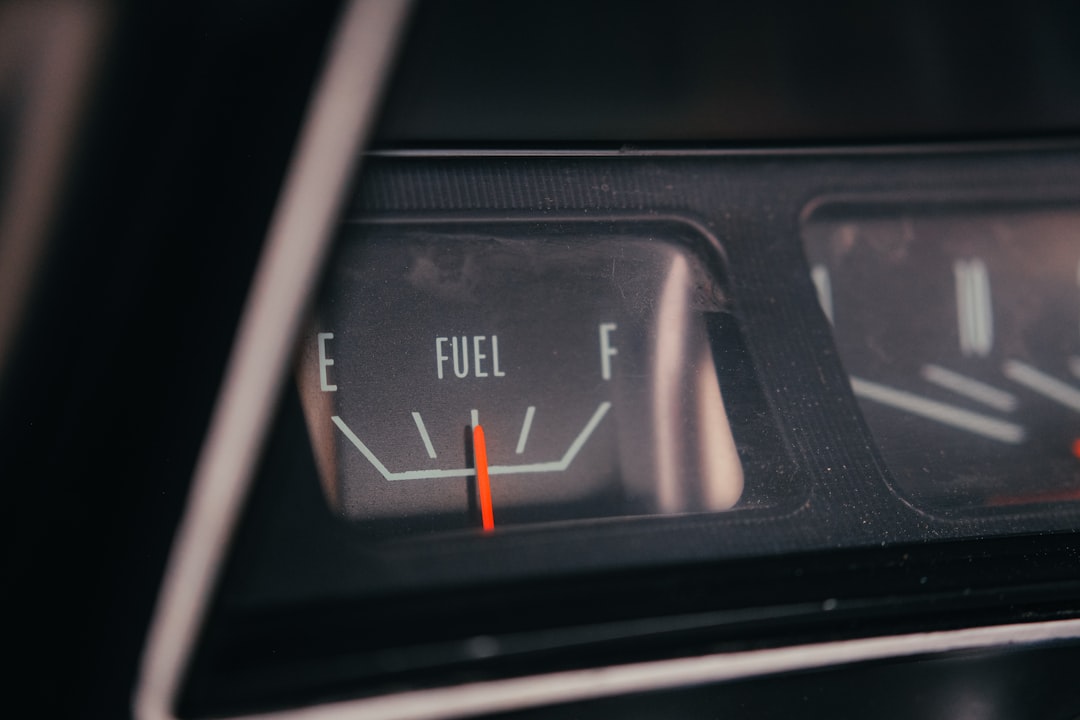
For mid-career professionals, the stakes are higher.
Steps to Combat Burnout in the AI Era
- Prioritize Work-Life Balance: Set clear boundaries between work and personal time. Schedule breaks and stick to them to recharge your mental health.
- Engage in Open Communication: Discuss workload and expectations with your manager. Advocate for a sustainable work pace that prioritizes mental well-being.
- Invest in Skill Development: Take advantage of online courses and workshops to stay relevant in your field. This proactive approach can help alleviate anxiety about job security.
- Seek Support: Don’t hesitate to reach out to colleagues or mental health professionals if you’re feeling overwhelmed. Building a support network can help you navigate workplace challenges.
However, experts warn that this trend may not be sustainable. A recent study suggests that while efficiency is crucial, it should not come at the cost of employee health. Organizations must find a balance between productivity and well-being to foster a sustainable work environment.
The Future of Work in an AI-Driven World
As AI continues to shape the future of work, it is essential for organizations to reassess their approach to employee well-being. The current trajectory suggests that companies may need to adopt more flexible work policies and prioritize mental health resources to combat burnout effectively.
 News
NewsSoftware Engineer Considers Farming as AI Advances
A software engineer with nearly a decade of experience considers farming as AI advances, prompting Reddit users to debate work and alternative livelihoods.
Read More →Looking ahead, the challenge will be to create a workplace culture that embraces both efficiency and employee satisfaction. This dual focus could lead to a more engaged workforce, ultimately benefiting both the employees and the organizations they serve. How will your organization adapt to these changing dynamics to ensure a healthier work environment for all?

Written by Career Ahead AI. AI can make mistakes, so verify key facts. Report errors to support@careeraheadonline.com.





