No products in the cart.

How Intel’s Turnaround Affects Semiconductor Careers

Intel's ongoing efforts to boost chip production in the U.S. could reshape job opportunities in the semiconductor industry, impacting roles from chip design engineers to supply chain management professionals on a global scale.

Intel’s efforts to increase chip production in the United States are ongoing, but the company still has significant challenges ahead. While there are indications of potential recovery in its chip business, the extent of improvements and their impact on job opportunities in the semiconductor sector remains to be fully realized.
The focus on chip design and manufacturing is particularly relevant for engineers and specialists in the semiconductor industry. As Intel works to enhance its output, there may be a corresponding demand for skilled professionals in these areas, which could influence hiring trends across the sector.
Increased Demand for Chip Design Engineers
Intel’s emphasis on innovation could lead to a rise in demand for chip design engineers. The company may introduce advanced chip architectures that require specialized knowledge in areas such as AI integration and energy efficiency. Analysts suggest that engineers with expertise in these technologies could be in higher demand.
For instance, if Intel develops chips designed to efficiently handle AI workloads, engineers skilled in machine learning and AI algorithms may be sought after. Should the company expand its research teams, roles focused on designing chips for AI applications could grow.
Additionally, if Intel commits to sustainability, there may be an increased need for engineers who can design energy-efficient chips. As governments worldwide prioritize green technology, chip design engineers who understand eco-friendly practices could play a crucial role in meeting these demands.
As Intel potentially grows its workforce, the job market for chip design engineers could become more competitive. Candidates who demonstrate their skills in advanced chip design and AI technology may have an advantage in securing positions within the company and its suppliers.
Professionals in this field should consider enhancing their qualifications to align with Intel’s evolving focus.
Professionals in this field should consider enhancing their qualifications to align with Intel’s evolving focus. Those who adapt to the changing landscape may find numerous opportunities as the semiconductor industry continues to evolve.
New Roles in Semiconductor Manufacturing
If Intel ramps up production, the semiconductor manufacturing sector may also see growth. The company is likely to invest in expanding its fabrication facilities, which could create new roles for manufacturing specialists. Analysts suggest that positions related to advanced manufacturing processes may become more available.
Intel’s focus on next-generation manufacturing techniques, such as extreme ultraviolet (EUV) lithography, could require specialized training and skills. Manufacturing specialists familiar with these advanced processes might be in demand as Intel seeks to optimize production.
Furthermore, a push for production efficiency may lead to growth in roles related to process engineering and quality assurance. Professionals who ensure that manufacturing processes meet high standards could be essential to Intel’s success.
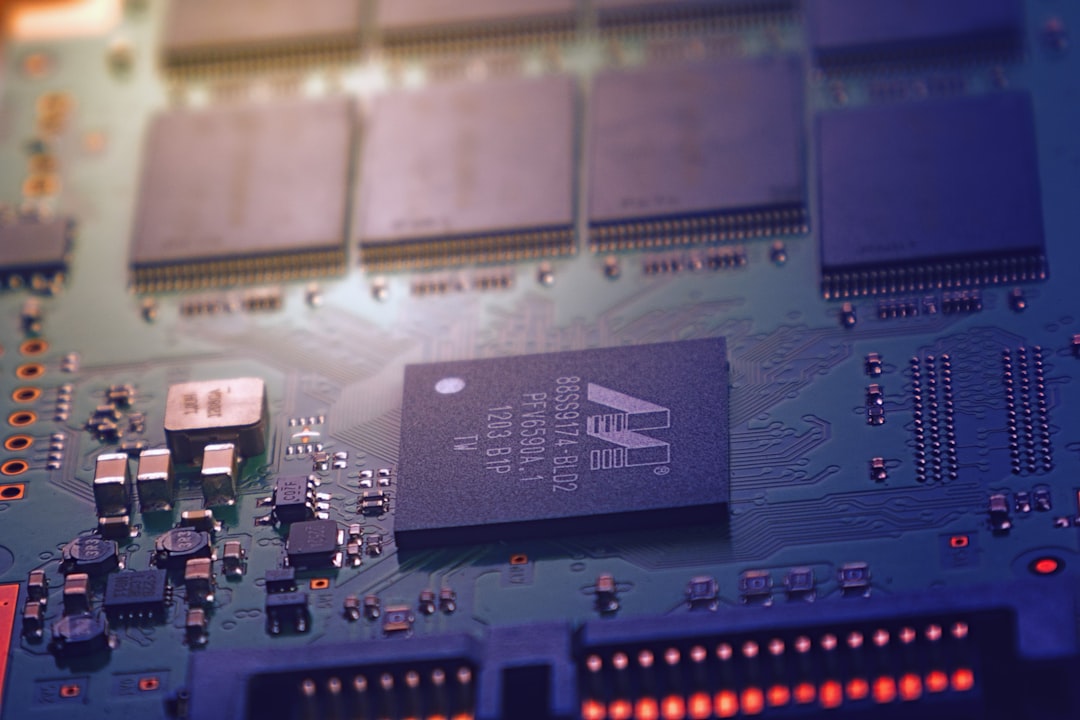
The potential expansion of Intel’s manufacturing operations may create new job opportunities in the coming years. This highlights the importance of specialized skills in semiconductor manufacturing, especially as the industry shifts to more complex production methods.
As the semiconductor landscape evolves, professionals looking to enter or advance in this field should focus on acquiring the necessary skills. Understanding the latest manufacturing technologies will be crucial for those aiming to secure roles at Intel and other semiconductor companies.
Analysts suggest that professionals in supply chain management may play a key role in supporting Intel’s growth.
Impact on Supply Chain Management in the Semiconductor Industry
Intel’s efforts to increase production may also impact supply chain management in the semiconductor industry. As the company potentially increases its production levels, the demand for raw materials and components could rise, affecting suppliers and logistics providers globally. Analysts suggest that professionals in supply chain management may play a key role in supporting Intel’s growth.
The semiconductor supply chain has faced challenges, including shortages and disruptions in recent years. If Intel stabilizes its production, there may be more hiring in supply chain roles, particularly for those who can manage complex logistics and procurement processes.
Additionally, a focus on localizing supply chains could create more opportunities for professionals managing relationships with domestic suppliers. As Intel potentially prioritizes sourcing materials closer to its manufacturing sites, expertise in local supply chain management may become increasingly valuable.
As demand for semiconductor products grows globally, the need for skilled supply chain professionals could be critical. Those who can manage the logistics of semiconductor manufacturing may help ensure that Intel and its competitors meet market demands.
In this evolving landscape, professionals in supply chain management should prepare for a dynamic and challenging environment. The ability to adapt to changing market conditions will be crucial for success in this field.
With potential increases in hiring across various sectors, the coming years may redefine job opportunities and career paths for engineers and specialists alike.
Intel’s ongoing efforts signal a significant moment for the semiconductor industry. With potential increases in hiring across various sectors, the coming years may redefine job opportunities and career paths for engineers and specialists alike.
Frequently Asked Questions
What new technologies are chip design engineers expected to work with at Intel?
Chip design engineers at Intel may work with advanced chip architectures that integrate AI capabilities and energy-efficient designs. Expertise in these areas could be critical for engineers.
How will Intel’s efforts impact job security for semiconductor manufacturing specialists?
Intel’s ongoing efforts may improve job security for semiconductor manufacturing specialists. Increased hiring in advanced manufacturing roles could create a more stable job environment.
What should chip design engineers do to prepare for the evolving semiconductor landscape?
Chip design engineers should enhance their skills in AI technology and energy-efficient design practices. As these areas grow in importance, professionals who adapt may have a competitive edge.
Written by Career Ahead AI. AI can make mistakes, so verify key facts. Report errors to support@careeraheadonline.com.