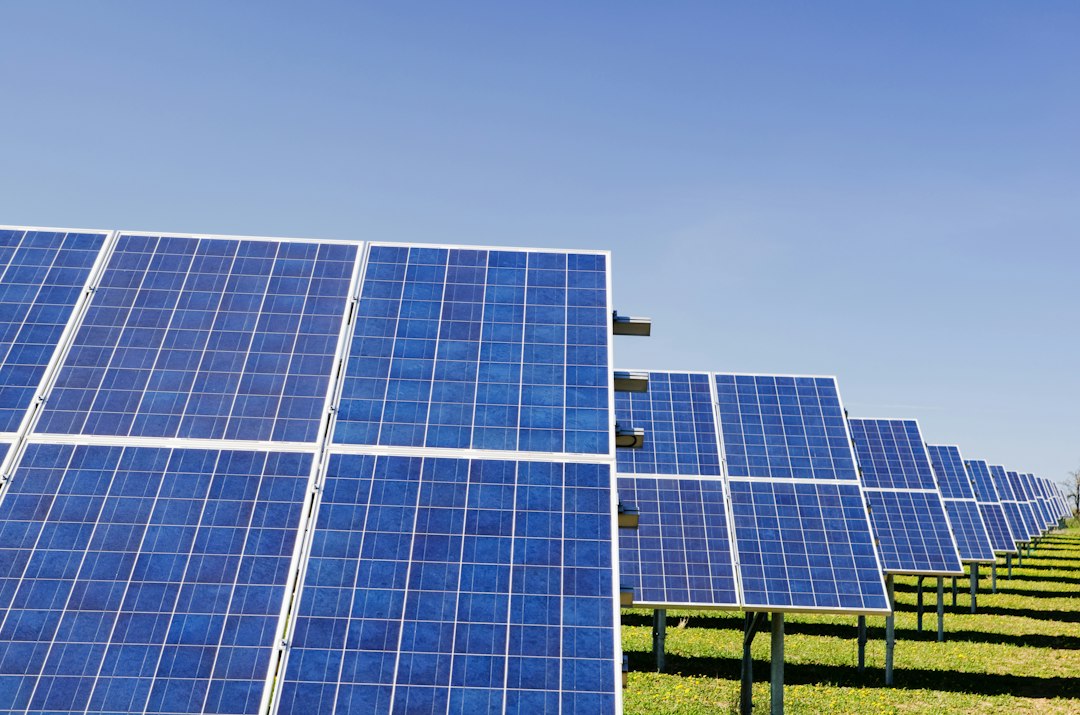
In Uvalde, Texas, farmer Steve Cargil has become a prime example of this transition. After years of struggling with unpredictable weather and declining crop yields, Cargil signed a lease in 2001 to host a solar farm on his land. This decision has proven to be life-changing, as he now receives $200,000 annually from OCI Energy, allowing him to continue farming despite drought and rising costs.
Texas farmers are increasingly leasing their land for solar farms. This change is reshaping the agricultural landscape and providing financial stability. It highlights a growing trend of renewable energy in traditional oil regions, which is transforming local economies.
In Uvalde, Texas, farmer Steve Cargil is a prime example of this shift. After years of battling unpredictable weather and declining crop yields, Cargil signed a lease in 2001 for a solar farm on his land. This decision has changed his life. He now receives $200,000 annually from OCI Energy, allowing him to continue farming despite drought and rising costs. Cargil’s story reflects a broader trend in Texas, where many farmers are turning to renewable energy as traditional agriculture faces pressures from climate change and market fluctuations.
Financial Stability Through Solar Leasing
The financial benefits of leasing land for solar projects are significant. Farmers like Cargil find that income from solar leases provides a stable revenue stream. This is especially true in areas where traditional farming is becoming less viable. According to Career Ahead’s analysis, these leases usually last 25 to 30 years and often increase in value over time. This offers multigenerational income that can secure a family’s financial future. The Texas Solar and Storage Association reports that solar energy now makes up a large part of the state’s electricity generation, especially during peak demand periods. This shift benefits individual farmers and supports the state’s energy strategy, which increasingly favors renewable sources.
Additionally, the move to solar energy aligns with broader economic trends. Texas’s population is growing quickly, leading to higher electricity demand. Solar farms can connect rapidly to the Texas power grid, making them appealing to energy developers. Farmers are taking advantage of this need, providing land for solar development while continuing their agricultural practices. As noted by BBC News, the financial security from solar leasing is crucial for farmers like Cargil, who face crop failures and financial risks.
However, this transition has challenges. Some farmers and local residents worry about land use and environmental impacts. In some areas, opposition to solar projects has emerged, sparking debates about balancing renewable energy development with preserving agricultural land. Yet, for farmers like Cargil, the financial benefits often outweigh these concerns, as they see a direct impact on their livelihoods. Ongoing discussions about land use highlight the need for careful planning and community engagement to address the concerns of all stakeholders.
Farmers are taking advantage of this need, providing land for solar development while continuing their agricultural practices.
The recent surge in US business activity indicates a shift in the labor market, particularly in manufacturing and supply chain sectors, prompting managers to adapt…
The rise of solar farms in Texas also has broader economic implications. As more farmers host solar projects, local economies benefit from increased investment and job creation. Solar projects require workers for construction, maintenance, and operations, providing jobs in areas with limited opportunities due to declines in traditional industries like oil and gas. According to the U.S. Energy Information Administration, solar energy production in Texas surpassed coal for the first time last year. This marks a significant milestone in the state’s energy landscape. This shift reflects changing consumer preferences and indicates potential job growth in the renewable energy sector. Farmers who host solar farms may also find chances to diversify their income by offering related services, such as maintenance and management of solar installations.
Moreover, solar farms can attract further investment into rural areas. Companies seek to capitalize on the growing demand for renewable energy. This influx of capital can improve infrastructure and services, enhancing residents’ quality of life. The economic revitalization of these areas can create a positive feedback loop, encouraging more farmers to consider solar leasing as a viable option. As highlighted by MSN, Texas is transforming from an oil-dominant economy to one that embraces solar energy. This change reflects a larger trend toward sustainability and innovation in agriculture.
However, the shift to solar energy raises concerns among local communities. Some residents worry about the visual impact of solar farms and the potential loss of agricultural land. Opponents argue that clearing land for solar installations can disrupt local ecosystems and change the landscape. Balancing these concerns with economic benefits will be crucial as Texas expands its solar energy capacity. The challenge is to ensure that solar energy growth does not come at the expense of the agricultural heritage that has defined Texas for generations.
The future for Texas farmers in the renewable energy sector looks bright. With the state committed to increasing its solar capacity, farmers can play a key role in this transition. As more solar farms are developed, the financial incentives for leasing land are likely to grow, making it attractive for many. Career Ahead analysis shows that the trend of renewable energy adoption in Texas is not just a passing phase. It represents a significant shift in how agricultural land is used. Farmers who adapt can secure their financial futures while contributing to a more sustainable energy system. As the demand for renewable energy rises, farmers who embrace solar leasing may lead this transformation.
As technology advances, the efficiency and cost-effectiveness of solar energy systems are expected to improve. Farmers who invest in solar energy solutions may benefit from lower operational costs and increased energy independence. This allows them to focus more on agricultural practices. Looking ahead, integrating solar energy into farming may lead to innovative approaches in land management and crop production. Farmers could explore hybrid models that combine traditional agriculture with renewable energy production, optimizing land use and maximizing returns. This evolution in farming practices could redefine the agricultural landscape in Texas and beyond.
Ray Dalio warns that while AI may drive productivity breakthroughs, it could also create an investment bubble, leading to significant wealth disparities. This article explores…
The challenge is to ensure that solar energy growth does not come at the expense of the agricultural heritage that has defined Texas for generations.
As Texas embraces its role as a leader in solar energy production, the question remains: how will this shift reshape the future of farming in oil-dominant regions? The potential for innovation and economic growth is vast. However, addressing community concerns and ensuring sustainable practices will be essential for long-term success.
Frequently Asked Questions
How can I start a solar farm on my land?
Farmers interested in starting a solar farm should first research potential solar developers in their area. Partnering with a reputable company can help navigate the leasing process and ensure compliance with local regulations.
What are the financial benefits of hosting a solar farm?
Hosting a solar farm can provide farmers with steady income through lease payments, often amounting to hundreds of thousands of dollars annually. This income can help offset agricultural losses and provide financial stability.
What should farmers consider before transitioning to renewable energy projects?
Farmers should evaluate the long-term implications of leasing their land for solar projects. They need to consider potential impacts on their farming operations, community concerns, and the financial stability offered by renewable energy investments.



Industry & Global Trends
Industry & Global Trends