No products in the cart.

Dabur and GreenLine Launch LNG Trucks for Sustainable Logistics
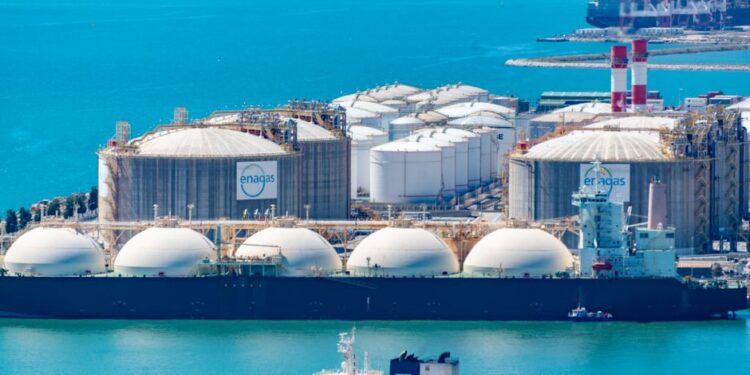
GreenLine's partnership with Dabur India marks a significant shift towards sustainable logistics, reducing emissions and setting a precedent for the food supply chain's future.

GreenLine Mobility Solutions Ltd. has teamed up with Dabur India Ltd. to use LNG-powered trucks in Dabur’s logistics. This partnership, announced on July 23, 2026, aims to boost sustainability in the supply chain. It is a key step in cutting carbon emissions in long-haul freight while keeping operations efficient.
This initiative supports Dabur’s goal of a greener supply chain. Samrat Sehgal, Dabur’s global director of supply chain, stated that using lower-emission transportation is vital for the company’s sustainability plans.
Impact of LNG Technology on Freight Transport
LNG (liquefied natural gas) technology is becoming popular in freight transport, especially in India. GreenLine’s use of LNG trucks shows a shift towards cleaner fuel in logistics. GreenLine claims that LNG trucks can cut greenhouse gas emissions significantly compared to diesel trucks. This makes them a great choice for companies like Dabur.
GreenLine runs over 1,000 vehicles on major freight routes, serving industries like steel, cement, and FMCG (fast-moving consumer goods). This large fleet allows the company to effectively use LNG technology. LNG is not only better for the environment but also cost-effective over time. As the food industry faces pressure to lower its carbon footprint, LNG technology can be transformative.
The reliability and efficiency of LNG trucks are also impressive. They perform similarly to diesel trucks while being cleaner. This is important for logistics managers, as efficiency affects profits. Switching to LNG can help food companies balance sustainability and profitability.
Career Ahead’s analysis shows that moving to LNG-powered logistics aligns with global efforts to cut carbon emissions. As consumers become more eco-conscious, companies that adopt sustainable practices may gain brand loyalty and competitive advantages.
Career Ahead’s analysis shows that moving to LNG-powered logistics aligns with global efforts to cut carbon emissions.
Cost Implications for Food Distribution
Switching to LNG trucks has various cost implications for food distribution. The initial investment in LNG technology and infrastructure can be high. However, over time, operational savings can balance these costs. LNG is usually cheaper than diesel, providing financial stability as fuel prices change.
Additionally, LNG can lower maintenance costs. LNG engines often have less wear and tear than diesel engines, leading to lower repair expenses. This is beneficial for logistics managers who must manage budgets while ensuring timely deliveries.
Regulatory pressures are also pushing companies toward cleaner fuels. Governments are enforcing stricter emissions rules. Companies that adopt LNG technology early may receive incentives, tax breaks, or subsidies. These financial benefits can make LNG a more attractive fuel option for logistics operations.
Career Ahead research indicates that food sector companies investing in sustainable logistics, like LNG trucks, may also improve their operational resilience. By diversifying fuel sources, they can better handle market changes and regulatory shifts.
As the GreenLine and Dabur partnership develops, it will be important to see how these cost implications play out. The success of LNG deployment could encourage other food companies to adopt sustainable logistics practices.
Environmental Benefits of LNG Over Traditional Fuels
The environmental benefits of LNG compared to traditional fuels are significant. LNG emits much lower levels of nitrogen oxides (NOx) and particulate matter, improving air quality. This is crucial in urban areas where logistics contribute to pollution.
The success of LNG deployment could encourage other food companies to adopt sustainable logistics practices.
Moreover, LNG’s lower carbon intensity is vital in combating climate change. The transportation sector greatly contributes to greenhouse gas emissions. Shifting to LNG can help reduce this impact. By partnering with GreenLine, Dabur is taking action to address environmental issues and align with global sustainability goals.
As companies focus more on corporate social responsibility, using cleaner fuels like LNG becomes a strategic advantage. This move enhances a company’s image and attracts eco-conscious consumers. The GreenLine and Dabur partnership is a model for integrating sustainability into business operations.
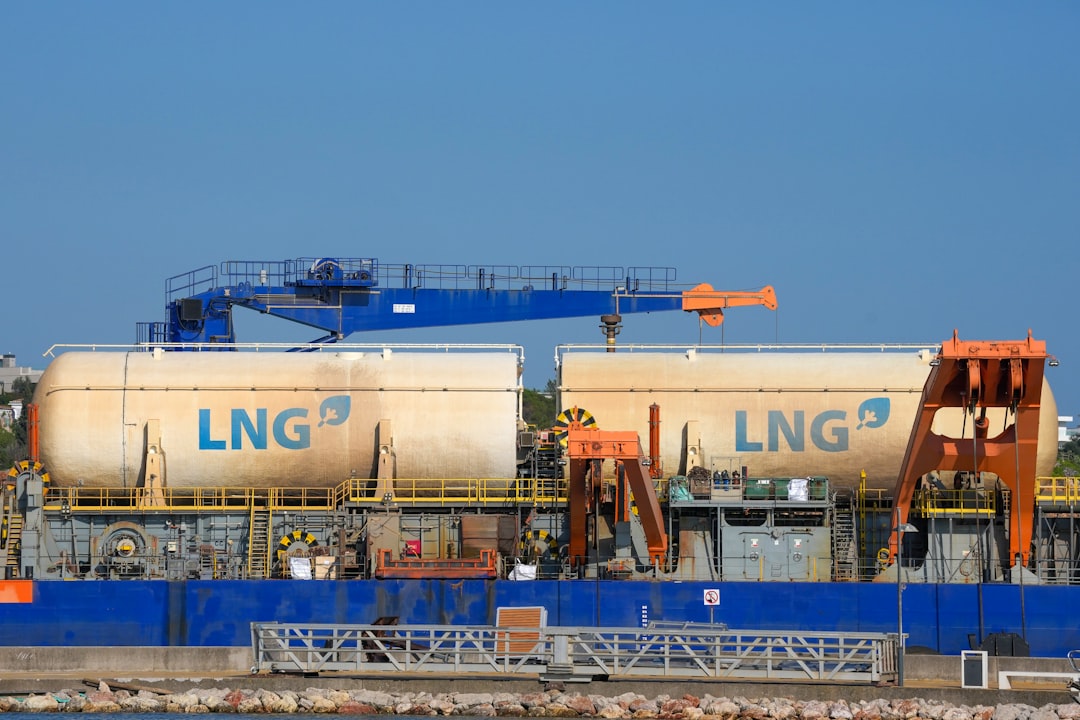
Career Ahead analysis suggests that as more companies adopt LNG, the logistics industry may undergo significant changes. The shift to LNG could lead to a reevaluation of fuel sources and logistics practices across various sectors.
Looking ahead, the success of this partnership could inspire similar collaborations in logistics, promoting a collective move toward sustainable practices. As demand for cleaner transportation grows, companies must adapt to remain competitive in a changing market.
Frequently Asked Questions
What are the benefits of using LNG trucks for logistics managers?
LNG trucks provide several benefits, including lower emissions, reduced fuel costs, and less maintenance than diesel trucks. This makes them appealing for logistics managers aiming to improve efficiency and meet sustainability goals.
Logistics managers should assess the initial investment needed for LNG technology, the availability of fueling infrastructure, and potential regulatory benefits.
How will this partnership impact supply chain costs for food companies?
The GreenLine and Dabur partnership is expected to result in long-term savings through lower fuel prices and reduced maintenance costs. Additionally, companies may gain from government incentives for adopting cleaner technologies, improving their cost structure.
What should logistics managers consider when transitioning to LNG trucks?
Logistics managers should assess the initial investment needed for LNG technology, the availability of fueling infrastructure, and potential regulatory benefits. Understanding these factors will help them make informed decisions about switching to LNG trucks.
Sources: Businesstoday, Tribuneindia, Essar.