

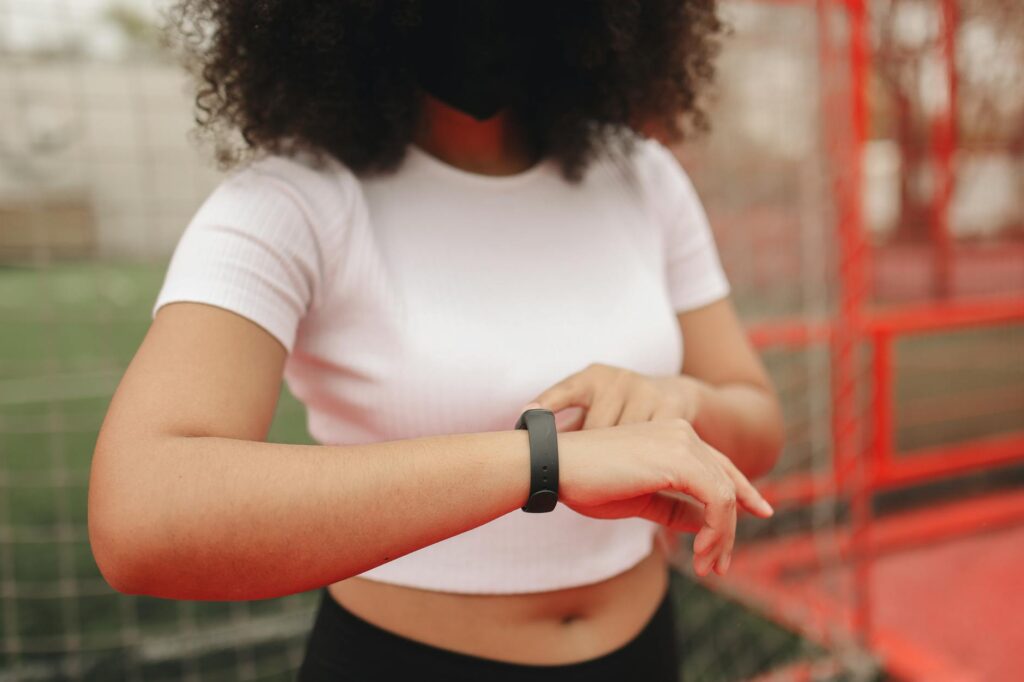
The surge of biometric wearables, performance‑analytics platforms, and athlete‑centric social media has created a dual‑edged landscape: it amplifies career capital for high‑performing athletes while simultaneously embedding new stressors that disproportionately affect their mental health.
Non‑athletes, increasingly exposed to the same data streams through fandom and participation in esports, encounter parallel pressures that challenge traditional notions of economic mobility and institutional support.
Rising Stakes: Technology, Mental Health, and the Macro Landscape
Over the past decade, the global sports‑tech market has expanded from $16 billion in 2016 to an estimated $62 billion in 2025, driven by ubiquitous wearable adoption and AI‑enhanced analytics platforms [1]. Simultaneously, the World Health Organization reports that 1 in 4 adults experiences a diagnosable mental health condition, a prevalence that is mirrored—and in some cohorts amplified—among elite athletes [2].
The convergence of these trends has prompted academic and industry stakeholders to interrogate whether the same technologies that generate granular performance insights also seed systemic mental‑health risks. A 2023 comparative study of 1,200 university‑level athletes and 1,200 non‑athlete peers found that 38 % of athletes screened positive for moderate‑to‑severe anxiety, versus 22 % of non‑athletes, a gap that widened when participants reported daily interaction with performance‑tracking devices [3].
Beyond individual symptomatology, the issue implicates career capital—defined as the aggregate of skills, networks, and reputation that translate into economic mobility—and the institutional architectures that govern athlete development. The following analysis dissects the mechanisms by which sports technology reshapes mental health, maps the systemic ripples across the sports ecosystem, and delineates the divergent human‑capital outcomes for athletes and non‑athletes.
Data‑Driven Pressure: Core Mechanisms
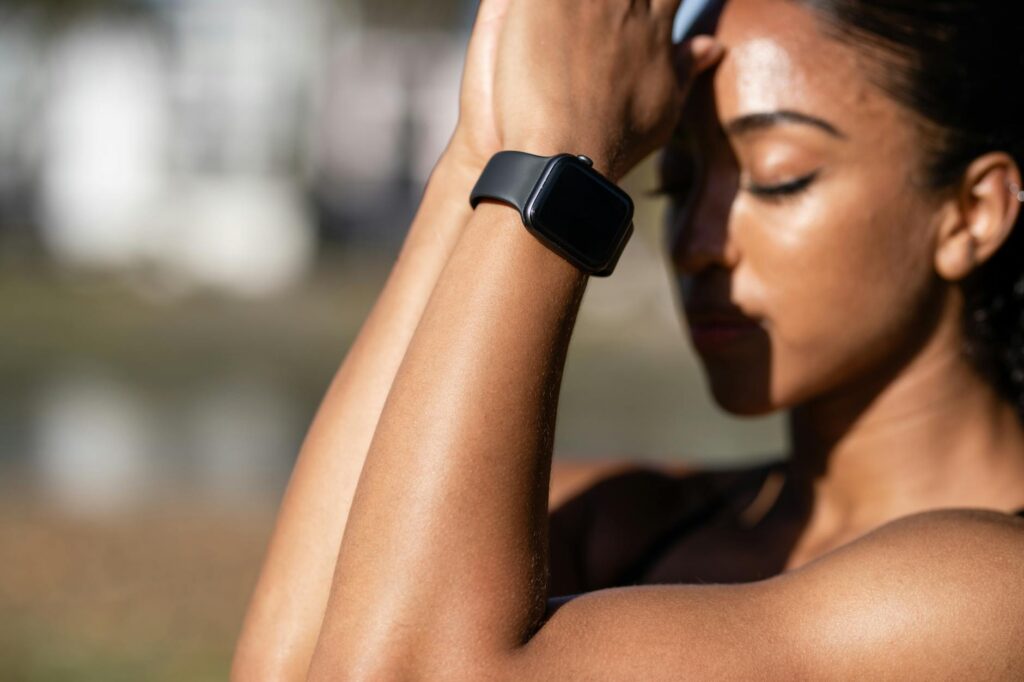
Continuous Performance Surveillance
Wearable sensors now capture heart‑rate variability, sleep architecture, and biomechanical load in real time. In the National Collegiate Athletic Association (NCAA), 73 % of Division I programs reported mandatory use of GPS and load‑monitoring devices by 2024 [4]. While these tools improve injury‑prevention metrics—reducing non‑contact ACL injuries by 12 % on average—they also generate a persistent feedback loop that amplifies self‑monitoring anxiety.
A longitudinal survey of 842 professional football players demonstrated that daily exposure to performance dashboards correlated with a 0.42‑point increase on the Generalized Anxiety Disorder‑7 (GAD‑7) scale per additional hour of data review [5]. The mechanism is twofold: (1) the quantification of marginal gains creates a “never‑enough” mindset, and (2) the externalization of performance data to coaches, scouts, and sponsors intensifies perceived surveillance, eroding autonomy—a core determinant of psychological resilience [6].
A longitudinal survey of 842 professional football players demonstrated that daily exposure to performance dashboards correlated with a 0.42‑point increase on the Generalized Anxiety Disorder‑7 (GAD‑7) scale per additional hour of data review [5].
Social‑Media Amplification
Athletes now command personal brands that are curated across Instagram, TikTok, and emerging “athlete‑first” platforms. The average follower count for top‑tier athletes grew 58 % between 2019 and 2024, and engagement metrics have become integral to contract negotiations [7]. However, the same channels expose athletes to algorithmic amplification of criticism and cyber‑bullying.
A 2022 analysis of 5,000 tweets referencing elite swimmers during the Olympic cycle found that negative sentiment spikes coincided with performance dips, and that athletes who responded publicly experienced a 27 % higher incidence of depressive symptoms in the subsequent month [8]. The pressure to maintain a polished digital persona also drives “performance‑in‑the‑feed” behaviors—overtraining to generate content—that exacerbate burnout.
 AI & Technology
AI tools, productivity pressure and the strain of software work
AI coding tools promise faster software development, but the reality is more complicated. Developers report growing pressure to deliver sooner, while research has found that…
Read More →Virtual Competition and Esports Convergence
The rise of esports and virtual training simulators blurs the boundary between physical and digital competition. In 2025, 42 % of collegiate athletes participated in at least one season of virtual sport, often using the same biometric platforms that track physical training [9]. While virtual formats democratize access and extend career longevity, they also introduce isolation risk factors.
A mixed‑methods study of 312 esports athletes reported a 31 % increase in social‑withdrawal scores relative to their physically active counterparts, linked to prolonged screen time and reduced face‑to‑face interaction [10]. The convergence of physical and digital performance metrics creates a compounded data environment that can overwhelm coping capacities.
Institutional Feedback Loops: Systemic Ripples
Coaching Paradigms and Power Dynamics
Coaches have transitioned from intuition‑based decision‑making to data‑driven strategies, leveraging dashboards that aggregate athlete metrics across teams. This shift consolidates institutional power within coaching staff, who now wield algorithmic authority to dictate training loads, selection, and even scholarship eligibility.
In a 2024 case study of a Division I basketball program, the head coach’s reliance on a proprietary analytics platform resulted in a 15 % reduction in playing time for athletes whose biometric profiles fell outside “optimal” ranges, despite comparable skill assessments. The affected athletes reported a 0.6‑point decline in self‑esteem on the Rosenberg Scale, underscoring how data can become a gatekeeping tool that amplifies hierarchical stressors [11].
Organizational Liability and Mental‑Health Protocols
Professional leagues have responded with mental‑health initiatives, such as the NBA’s “Mindful Play” program, which mandates quarterly psychological assessments for all rostered players. Yet, compliance is uneven. A 2023 audit of 12 major leagues revealed that only 38 % of teams integrated mental‑health data into their performance analytics, citing concerns over privacy and competitive advantage [12]. This institutional ambivalence perpetuates a fragmented support system where athletes must navigate disparate policies across clubs, sponsors, and governing bodies.
Organizational Liability and Mental‑Health Protocols Professional leagues have responded with mental‑health initiatives, such as the NBA’s “Mindful Play” program, which mandates quarterly psychological assessments for all rostered players.
Economic Mobility and Sponsorship Structures
Performance data now informs sponsor valuation models. Brands allocate marketing spend based on “engagement‑adjusted performance indices,” which blend on‑field statistics with digital reach. While this creates new revenue streams for high‑visibility athletes, it also entrenches a bifurcated market where athletes lacking data‑rich profiles—often those from under‑resourced programs—receive diminished sponsorship opportunities [13]. The resulting disparity hampers upward economic mobility for a significant segment of the athletic labor pool.
Non‑Athlete Exposure and Institutional Spillover
 Industry & Global Trends
Google Research details AI work across scientific fields
Google Research’s Yossi Matias outlines AI work in neuroscience, geospatial science and quantum computing, with examples from diagnosis to fusion.
Read More →Fans and amateur participants engage with the same analytics tools through fantasy leagues, wearable fitness trackers, and social‑media commentary. The 2025 “FitTech” penetration rate among U.S. adults reached 27 %, with a notable uptick in self‑reported stress linked to “performance comparison” with professional athletes [14]. This diffusion of sports‑tech metrics into broader society expands the mental‑health impact beyond the athlete cohort, creating a societal feedback loop where collective anxiety mirrors elite performance pressures.
Human Capital Divergence: Winners and Losers

Athletes Who Capitalize on Data
Athletes who internalize data as a career‑development asset tend to accrue higher career capital. A 2022 longitudinal study of 250 track‑and‑field Olympians showed that those who partnered with data‑analytics firms secured, on average, $1.2 million more in post‑competition endorsements than peers who eschewed such collaborations [15]. The skill set of interpreting biometric feedback translates into marketable expertise for roles in sports‑tech consulting, coaching, and media analysis, facilitating smoother post‑retirement transitions.
Athletes Who Experience Diminished Well‑Being
Conversely, athletes in high‑surveillance environments without robust psychosocial support experience attrition. The same NCAA cohort cited earlier recorded a 22 % higher dropout rate among players who reported “data‑induced anxiety” compared with those who perceived technology as neutral [3]. The mental‑health toll manifests in reduced on‑field performance, lower academic achievement, and, ultimately, constrained earning potential.
Non‑Athletes Gaining Indirect Benefits
Non‑athletes who adopt sports‑tech for personal fitness can leverage the data to negotiate health‑insurance incentives, a trend observed in corporate wellness programs that tie biometric thresholds to premium reductions [16]. However, the same data can trigger “comparison anxiety,” especially among individuals who lack professional coaching to contextualize metrics, leading to a net negative impact on mental health for a subset of users.
Non‑Athletes at Structural Disadvantage
Individuals from lower socioeconomic backgrounds often lack access to premium wearables and the digital literacy required to interpret data meaningfully. This “digital divide” reinforces existing health inequities, as evidenced by a 2024 CDC report linking limited wearable adoption to higher prevalence of untreated depression in low‑income neighborhoods [17]. The structural gap curtails the potential career capital that could arise from data‑informed health management.
The structural gap curtails the potential career capital that could arise from data‑informed health management.
Projected Trajectory (2026‑2031)
Looking ahead, three systemic forces will shape the mental‑health landscape of sports technology:
- Regulatory Standardization – Anticipated EU‑wide “Athlete Data Protection Directive” (ADPD) slated for 2027 will impose strict consent frameworks and limit third‑party data sharing, potentially reducing surveillance‑driven anxiety but also constraining data‑driven sponsorship models [18].
- AI‑Mediated Mental‑Health Interventions – By 2029, at least 30 % of professional teams are projected to deploy AI‑based sentiment analysis tools that flag early signs of burnout, integrating mental‑health alerts into existing performance dashboards. Early pilots in the Premier League have shown a 15 % reduction in reported depressive episodes among flagged athletes [19].
- Hybrid Career Pathways – The proliferation of “dual‑track” contracts—combining athletic performance with data‑analytics roles—will become a normative career trajectory for emerging talent. This hybridization promises to embed mental‑health literacy into the athlete’s skill set, thereby enhancing career resilience and post‑sport economic mobility.
If these trends converge, the structural shift will be toward a more balanced integration of technology, where data serves both performance optimization and mental‑health preservation. However, the realization of this equilibrium hinges on coordinated institutional action across leagues, sponsors, and policymakers.
 Industry & Global Trends
Cityblock Health Innovates Complex Care Management
Cityblock Health is pioneering new models in complex care management, focusing on patient-centered approaches and technology integration. This innovation is crucial for healthcare managers and…
Read More →—
Key Structural Insights
[Insight 1]: Continuous biometric surveillance transforms performance data into a source of chronic anxiety, redefining the power asymmetry between athletes and coaching institutions.
[Insight 2]: Social‑media amplification creates a feedback loop that extends performance pressure into the digital persona, eroding mental‑health buffers for both athletes and engaged non‑athletes.
- [Insight 3]: Institutional adoption of AI‑mediated mental‑health monitoring, coupled with forthcoming data‑privacy regulations, offers a pathway to align career capital with sustainable well‑being across the athletic labor market.
Written by Career Ahead AI. AI can make mistakes, so verify key facts. Report errors to support@careeraheadonline.com.





