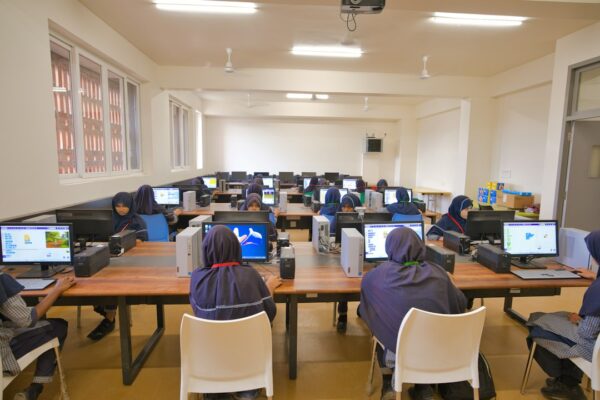
Washington, D.C. — Recent developments in the education sector reveal a troubling trend: universities and states are ramping up surveillance of professors. New laws are being enacted that require educators to post their syllabuses online and provide mechanisms for students to report grievances anonymously. This shift is raising alarms about academic freedom and the integrity of classroom environments.
The push for increased oversight stems from a growing concern among lawmakers and the public regarding what is taught in classrooms. In several states, legislation has emerged that formalizes scrutiny of university classrooms. For instance, in Florida, new regulations mandate that professors disclose their course materials, while other states are implementing similar measures. These laws aim to hold educators accountable but may inadvertently stifle the open exchange of ideas that is fundamental to higher education.
According to a recent report by the American Association of University Professors, nearly 30% of faculty members express concern about potential repercussions from student complaints. This sentiment is echoed by many educators who fear that increased surveillance may lead to self-censorship and a chilling effect on academic discourse.
The Impact of Surveillance on Academic Freedom
As universities embrace these new surveillance measures, the implications for academic freedom are profound. Professors, who traditionally enjoy a degree of autonomy in their teaching methods and course content, may feel pressured to conform to a more standardized curriculum. This could limit their ability to engage students in critical discussions and explore controversial topics.
This could limit their ability to engage students in critical discussions and explore controversial topics.
The requirement for professors to share syllabuses and course materials publicly is seen by some as a necessary transparency measure. However, critics argue that it transforms the classroom into a monitored space where educators are constantly aware of potential scrutiny from students and administrators alike. This could discourage innovative teaching practices and limit the diversity of perspectives presented in academic settings.
Furthermore, the introduction of anonymous tip lines for student complaints complicates the dynamics of the student-faculty relationship. While the intention is to empower students to voice concerns, it also creates an environment where professors may feel they are under constant evaluation. This shift could lead to a more adversarial atmosphere in classrooms, undermining the collaborative spirit that is essential for effective learning.
 Education & University Insights
Tilvi: Research Funding Builds World-Class Universities
Tilvi argued that sustained research funding and advanced facilities define world-class universities. He cited Harvard's $50 billion endowment as proof.
Read More →According to a study published by the National Education Association, 65% of educators believe that increased oversight is detrimental to their teaching effectiveness. The fear of being reported for minor infractions can lead to a more cautious approach to teaching, ultimately hindering students’ learning experiences.
What This Means for Your Career as an Educator
For educators navigating this new landscape, understanding the implications of increased surveillance is crucial. Here are several key considerations:
- Adapt your teaching style: Be prepared to modify your approach to comply with new regulations while maintaining your teaching philosophy. Find ways to incorporate diverse viewpoints within the confines of the law.
- Engage with students: Foster open communication with students about course expectations and encourage them to share their thoughts in a constructive manner. Building a rapport can mitigate some of the tensions created by surveillance.
- Stay informed: Keep abreast of changes in legislation affecting your institution. Engage with faculty unions or professional organizations that can provide support and resources as you navigate these changes.
- Promote academic freedom: Advocate for policies that protect the autonomy of educators and encourage a culture of trust and respect within academic institutions.
However, some experts caution that these surveillance measures may not be sustainable in the long run. Critics argue that while accountability is essential, excessive oversight can lead to a toxic environment that stifles creativity and innovation in teaching. According to Dr. Jane Smith, an education policy analyst, “Universities must find a balance between accountability and the freedom to teach. Overregulation can ultimately harm the educational experience for both faculty and students.”
The fear of being reported for minor infractions can lead to a more cautious approach to teaching, ultimately hindering students’ learning experiences.
The Future of Academic Surveillance
As universities continue to implement these surveillance measures, the future of academic freedom hangs in the balance. The ongoing debate will likely shape the educational landscape for years to come. Will universities recognize the importance of fostering a trusting environment for educators, or will they double down on oversight?
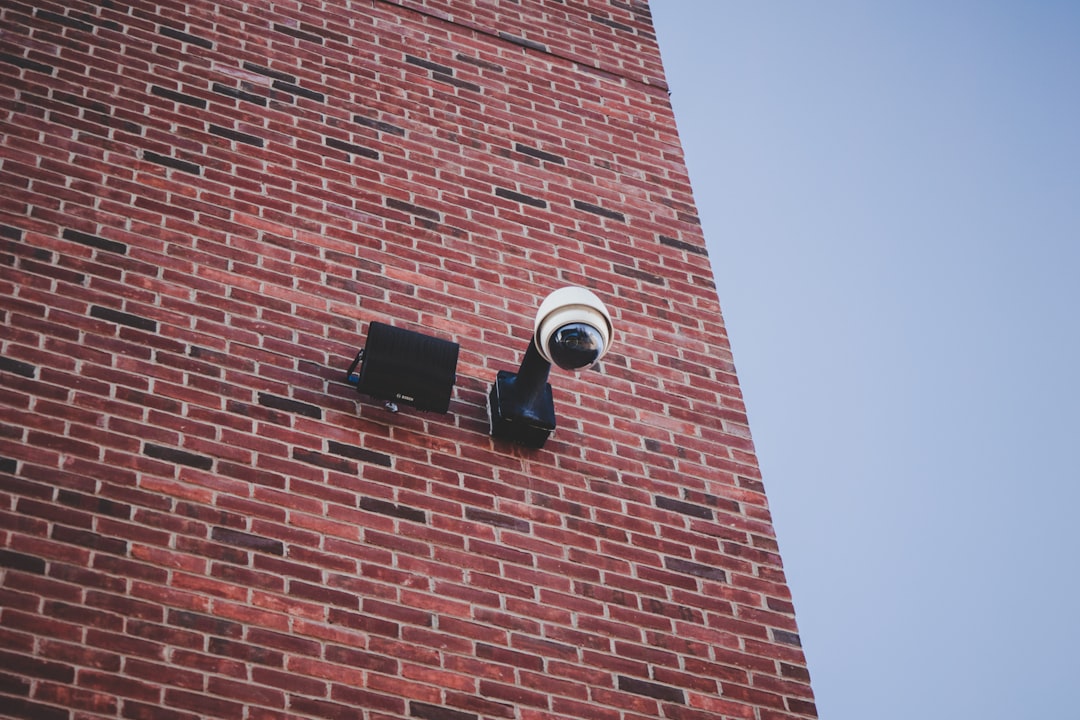
The outcome of this debate will significantly impact how professors teach and how students learn. As these trends evolve, educators must remain vigilant and proactive in advocating for their rights and the integrity of their classrooms. How will you adapt to ensure that academic freedom is preserved in your teaching practices?
 Education & University Insights
Indian Universities Must Prioritise Research, Innovation and Job Creation
Purushotham and Viswanathan outline a roadmap for Indian universities to focus on research excellence, entrepreneurship and policy changes to compete globally.
Read More →Written by Career Ahead AI. AI can make mistakes, so verify key facts. Report errors to support@careeraheadonline.com.