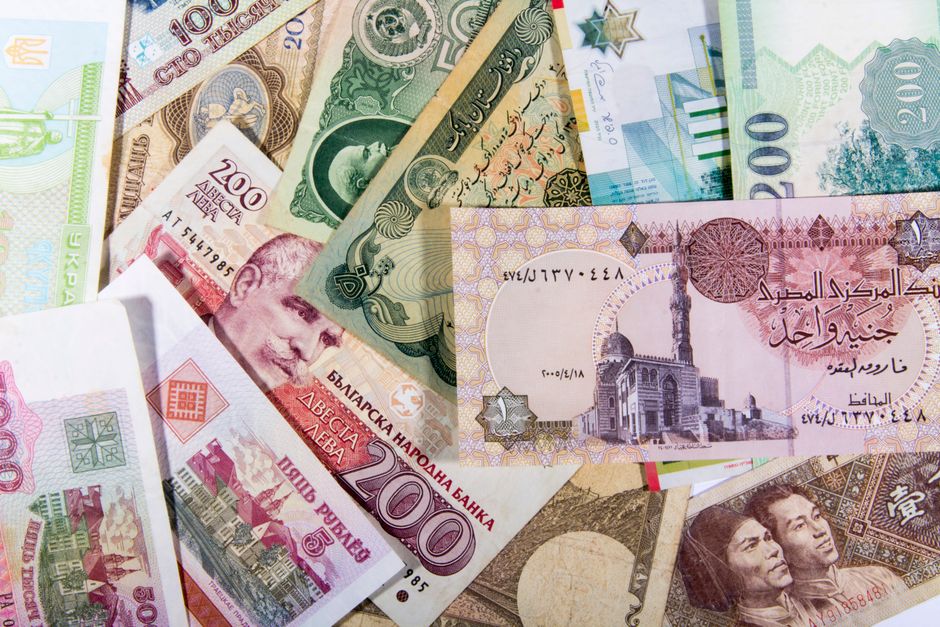
On August 25, 2026, the United States announced a new wave of sanctions targeting Iran’s gold and digital assets, marking a significant escalation in economic pressure on the Iranian government. This move is part of a broader strategy to isolate Iran economically and limit its military capabilities amid ongoing tensions in the Middle East. The sanctions not only affect Iran but also pose challenges for countries and entities that engage with Iranian industries, including technology and shipping.
Former President Trump characterized the sanctions as an “Economic D-Day,” claiming it to be the “most crushing economic operation ever taken” against a nation. This rhetoric underscores the U.S. government’s intent to apply maximum pressure on Iran, aiming to dismantle its financial networks that support military and nuclear ambitions. The sanctions specifically target gold and digital assets, extending to critical sectors such as aviation and shipping, which are vital to Iran’s economy. According to The New York Times, the U.S. has warned that any country or entity engaging with these sectors could face sanctions, raising the stakes for global businesses.
Market Reactions and Compliance Challenges
The immediate aftermath of the sanctions has led to notable volatility in international financial markets. Companies heavily invested in Iran, particularly in technology and shipping, have seen stock prices drop sharply. Financial analysts are now tasked with preparing for fluctuations as businesses reassess their exposure to Iranian assets. Al Jazeera reported a decline in U.S. markets following the announcement, illustrating how U.S. policies can significantly influence foreign markets and investment strategies.
Compliance officers in multinational corporations are facing increased scrutiny due to these new regulations. The sanctions complicate not only financial transactions but also supply chain logistics involving Iranian partners. Companies must ensure they do not inadvertently engage with Iranian entities, as this could lead to severe penalties. The risk of non-compliance is heightened by the intricate nature of international trade regulations. Firms are now compelled to invest in compliance mechanisms and training to help employees navigate the implications of these sanctions. This situation may lead to a surge in demand for compliance professionals specializing in international trade regulations.
Moreover, the sanctions are likely to disrupt global supply chains. Companies that previously relied on Iranian resources will need to identify new suppliers, necessitating significant adjustments to their operations. This shift could result in increased costs and longer lead times, complicating international trade. As businesses strive to comply with the new regulations, they must also consider the reputational risks associated with non-compliance, which can damage brand integrity and erode stakeholder trust.
As businesses strive to comply with the new regulations, they must also consider the reputational risks associated with non-compliance, which can damage brand integrity and erode stakeholder trust.
Impact on Financial Analysts and Compliance Strategies
The implications of these sanctions for financial analysts are profound. Research from Career Ahead indicates that analysts must now incorporate geopolitical risks into their investment strategies. The volatility stemming from these sanctions may prompt a reevaluation of asset values, particularly in sectors reliant on international trade. Analysts should closely monitor corporate responses to the sanctions; companies that proactively address compliance risks may attract investors, while those caught unprepared could see their stock prices plummet. Understanding the compliance landscape is essential for analysts providing informed recommendations.
Compliance officers must also adapt their strategies in light of these sanctions. Enhanced due diligence processes are critical, as companies will be held accountable for their partners’ actions. Compliance teams need robust systems to monitor transactions and relationships with foreign entities. As the situation evolves, compliance officers should remain vigilant regarding updates on U.S. sanctions and their implications. The dynamic nature of international relations means regulations can change rapidly, necessitating a flexible compliance approach. Furthermore, the sanctions may foster collaboration between compliance teams and financial analysts, enabling them to better navigate the complexities of international trade and mitigate risks associated with sanctions.
Global Implications and Future Considerations
The sanctions on Iran are not merely a regional issue; they have far-reaching global implications that can impact markets and industries worldwide. The interconnectedness of economies means that the fallout from these sanctions could extend well beyond Iran, affecting global supply chains and investment strategies across various sectors. As the geopolitical landscape continues to shift, analysts and compliance officers must remain proactive in their assessments.
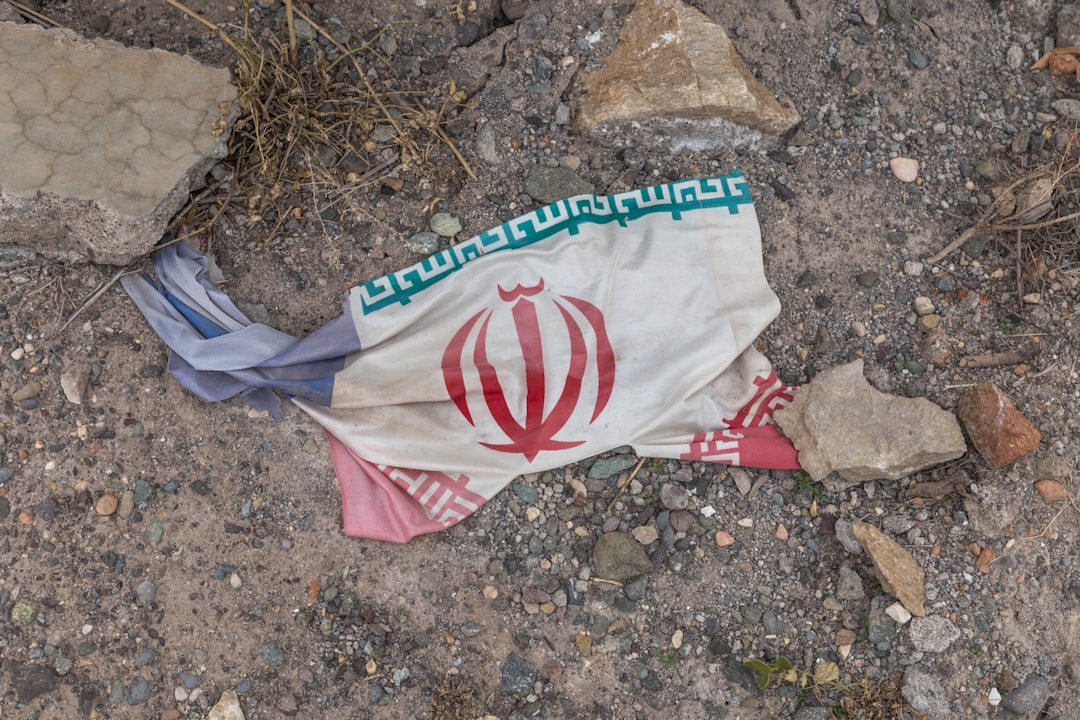
The future of international trade involving Iran remains uncertain. As U.S. sanctions evolve, companies and analysts must stay informed about potential policy changes and their implications. Ongoing geopolitical tensions suggest that further sanctions may be forthcoming, which could exacerbate disruptions in global supply chains. Career Ahead analysis indicates that companies should brace for a prolonged period of volatility. Financial analysts need to develop models that account for potential sanctions and their economic effects, including assessing the risk of supply chain disruptions and the financial health of companies exposed to Iranian markets.
Compliance officers should also consider the long-term ramifications of these sanctions on their operations. As companies reevaluate their international partnerships, compliance teams may need to devise new strategies to manage relationships with foreign entities effectively. Ultimately, the evolving sanctions landscape presents both challenges and opportunities for financial professionals. Those who adapt to these changes and provide strategic insights will be well-positioned to navigate the complexities of international trade.

Career Ahead analysis indicates that companies should brace for a prolonged period of volatility.
Frequently Asked Questions
What are the implications of U.S. sanctions on Iranian gold for financial analysts?
Career Ahead analysis shows that financial analysts must consider increased market volatility and geopolitical risks in their investment strategies. The sanctions on Iranian gold and digital assets create uncertainty that could affect asset valuations across various sectors.
How should compliance officers prepare for increased scrutiny due to sanctions on Iran?
Compliance officers should enhance their due diligence processes and ensure robust monitoring systems for transactions involving foreign entities. Staying updated on regulatory changes will be crucial for maintaining compliance and avoiding penalties.

What steps should financial analysts take to assess risks related to U.S. sanctions on Iranian industries?
Financial analysts should develop models that incorporate potential sanctions and their economic effects. This includes evaluating the financial health of companies with exposure to Iranian markets and forecasting the impact of geopolitical tensions on asset values.
Written by Career Ahead AI. AI can make mistakes, so verify key facts. Report errors to support@careeraheadonline.com.