No products in the cart.

Impact of De Beers’ Production Halt on Diamond Industry Jobs
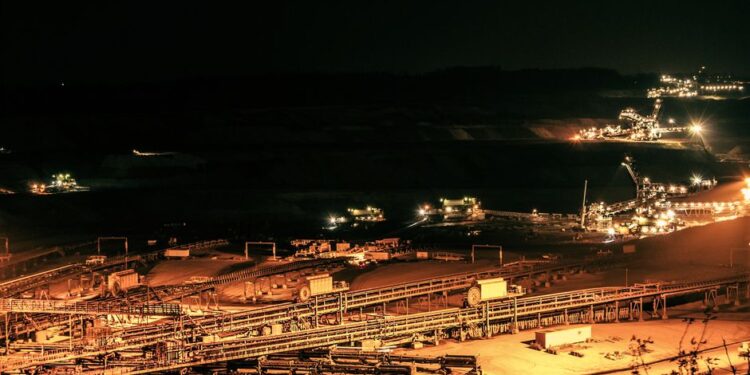
De Beers has announced a two-year halt in production at its Venetia mine in South Africa, raising concerns about job security for thousands of workers and the broader implications for the diamond supply chain.

De Beers has announced a two-year halt in production at its Venetia mine in South Africa, which is responsible for over 40% of the country’s diamond output. This decision comes as global demand for natural diamonds continues to decline, particularly in China, where consumers are increasingly opting for more affordable lab-grown alternatives. The suspension will directly impact more than 4,000 workers, raising significant concerns about job security in the diamond mining sector.
The suspension at the Venetia mine is indicative of a larger trend within the diamond industry. Prices for natural diamonds have dropped significantly, with the International Diamond Consultants’ rough diamond price index reportedly halving since 2022. This decline signals a major shift in market dynamics, as consumer preferences evolve towards lab-grown diamonds, which are often marketed as more ethical and environmentally friendly options.
De Beers, established in 1871, is now grappling with these changing consumer habits. The company plans to utilize the two-year downtime to enhance the mine’s infrastructure and operational efficiency, preparing for a potential reopening when market conditions improve. However, the immediate repercussions for workers and the broader supply chain are profound. Workers’ unions have expressed fears that the mining sector in South Africa, which employs nearly half a million people, may face significant job losses as companies adjust to these market pressures.
Job Security Challenges for Venetia Mine Employees
The decision to halt production at the Venetia mine raises urgent questions about job security for thousands of employees. With the mine’s closure, many workers face uncertainty regarding their future employment. The mining sector is a critical employer in South Africa, and the current situation exacerbates existing fears of layoffs.
Reports indicate that the diamond mining industry has been under pressure for some time, with unions warning of potential job losses. The shift towards lab-grown diamonds further complicates the landscape, as workers may struggle to find new opportunities in a market that increasingly favors synthetic options. The psychological toll of the closure can also be significant, as employees may experience anxiety and stress while navigating an uncertain job market.
As the diamond industry adapts to these changing preferences, workers must consider their futures in a market that may require new skills and training.
As the diamond industry adapts to these changing preferences, workers must consider their futures in a market that may require new skills and training. Upskilling and education will be essential for those affected by the production halt, as the demand for traditional diamond mining jobs diminishes.
Implications for the Diamond Supply Chain
The suspension of production at the Venetia mine will have far-reaching effects on supply chain managers within the diamond industry. As a key player, De Beers’ decision to halt operations will disrupt the flow of natural diamonds to the market, potentially leading to increased volatility in pricing and availability.
Industry experts note that the diamond market is already experiencing price declines, and the closure of a major mine will exacerbate these challenges. Supply chain managers must now navigate an uncertain landscape where demand is fluctuating, and competition from lab-grown diamonds is intensifying. This shift necessitates a reevaluation of pricing strategies and inventory management practices to remain competitive.
Moreover, the disruption in supply chains may prompt companies to rethink their sourcing strategies. To meet changing consumer preferences, businesses may need to diversify their supply sources or invest in lab-grown diamond technologies. This adaptation will be crucial for maintaining market share and ensuring long-term sustainability in a challenging industry.
Ethical Considerations in Diamond Sourcing
As the diamond industry evolves, supply chain managers must also address the ethical implications of sourcing practices. With growing consumer awareness regarding the environmental and social impacts of diamond mining, there is increasing pressure to adopt ethical sourcing standards. This trend may require managers to reassess their supplier relationships and implement more sustainable practices.
To meet changing consumer preferences, businesses may need to diversify their supply sources or invest in lab-grown diamond technologies.
In summary, the suspension of production at De Beers’ Venetia mine marks a pivotal moment for the diamond industry, with significant implications for both workers and supply chain managers. As the market shifts towards lab-grown diamonds, the industry must adapt to survive in an increasingly competitive landscape.

Frequently Asked Questions
What are the implications of De Beers halting production for diamond mine workers?
The halt in production at De Beers’ Venetia mine poses significant job security concerns for over 4,000 workers. Many may face layoffs or uncertainty as the market shifts towards lab-grown diamonds, affecting their future employment prospects.
How can diamond industry supply chain managers adapt to changes in demand?
Supply chain managers must reevaluate pricing strategies and sourcing practices in response to the production halt. With increased competition from lab-grown diamonds, diversifying supply sources and adopting sustainable practices will be essential for maintaining market share.
What should diamond mine workers do to prepare for potential job loss due to market shifts?
Workers should consider upskilling to align with the evolving diamond market, which increasingly favors lab-grown diamonds. Adapting to new technologies and market demands will be critical for securing future employment opportunities.
Written by Career Ahead AI. AI can make mistakes, so verify key facts. Report errors to support@careeraheadonline.com.