No products in the cart.

Impact of Iran Conflict on US Economy

As the war in Iran escalates, Americans are feeling the pinch at the pump and in their grocery bills. Prices for gasoline have surged past $4 per gallon, a stark reminder of how global conflicts can ripple through local economies. Experts warn that this is just the beginning, with broader implications for inflation and the cost of living across the United States.

As the war in Iran escalates, Americans are feeling the pinch at the pump and in their grocery bills. Prices for gasoline have surged past $4 per gallon, a stark reminder of how global conflicts can ripple through local economies. Experts warn that this is just the beginning, with broader implications for inflation and the cost of living across the United States.
The price of crude oil has risen sharply since the conflict began at the end of February, hitting over $110 per barrel. This increase is largely due to Iran’s control over the Strait of Hormuz, a critical passage for oil shipments. With approximately 20% of the world’s oil traveling through this narrow strait, any disruptions can lead to significant price hikes.
Christopher Tang, a professor at UCLA, stated, “The good old days are gone.” He emphasizes that rising gasoline prices are just one part of a larger trend affecting various sectors. As transportation costs rise, so too do the prices of goods that rely on these logistics, from food to consumer products.
Supply Chain Strain and Increased Shipping Costs
As the conflict continues, supply chains are feeling the strain. Shipping companies like UPS and FedEx have already raised their rates, adding fuel surcharges that can exceed 25%. The U.S. Postal Service is also implementing an 8% surcharge, which will take effect later this month. These increases reflect the higher costs of fuel and logistics that businesses face.
These increases reflect the higher costs of fuel and logistics that businesses face.
David Bieri, an economist from Virginia Tech, explains that as strategic oil reserves are tapped to manage current supply, the need to replenish these reserves will lead to further price increases. He notes, “We’re only at the beginning of seeing higher prices,” indicating that the current economic landscape is poised for more volatility.
Food prices are particularly vulnerable to these changes. The Independent Grocers Alliance has warned that a 10-15% rise in fuel prices could lead to a 2-4% increase in food costs. This is due to the direct correlation between transportation costs and the price consumers pay at the checkout line.
You may also like
 Government & Policy
8th Pay Commission Stakeholder Meetings Begin
The 8th Pay Commission is conducting stakeholder meetings to discuss salary and pension revisions for over 1 crore central government employees and pensioners, with key…
Read More →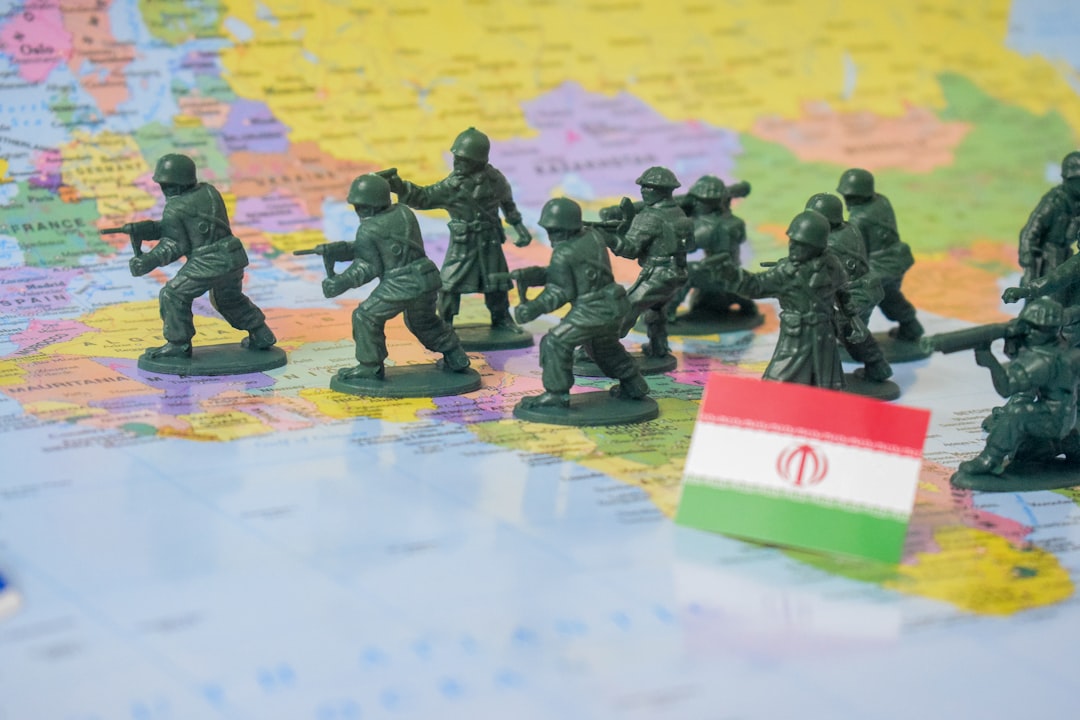
Political Instability and Economic Consequences
Political instability in the Middle East adds another layer of uncertainty to the U.S. economy. Even if the conflict were to end soon, experts agree that prices may not return to previous levels. The geopolitical risks associated with oil supply chains have created a “political risk premium” that will likely persist, according to Ravi Ramamurti, a professor at Northeastern University.
“When the prices go up, they rarely come back down,” Tang warns. This sentiment captures the long-term outlook for consumers who may need to adjust their expectations regarding future costs. The conflict in Iran has underscored the fragility of global supply chains, especially in energy markets.
Moreover, as the U.S. continues to engage in international negotiations regarding Iran, the potential for further disruptions remains high. The recent remarks by President Trump about American energy independence do not fully account for the complexities of global oil markets. Samantha Gross from the Brookings Institute points out that while the U.S. is a top oil producer, it still relies on global markets for pricing.
This sentiment captures the long-term outlook for consumers who may need to adjust their expectations regarding future costs.
Consumer Struggles Amid Rising Costs
The rising costs of goods and services are impacting everyday Americans, particularly those in vulnerable economic situations. As inflation rises, many are concerned about their ability to afford basic necessities. The current situation serves as a stark reminder of how global conflicts can have direct consequences on local economies.
For young professionals and students entering the workforce, the implications are significant. With rising living costs, financial planning and budgeting become even more critical. The job market may also feel the effects, as companies adjust their hiring strategies in response to increased operational costs. The uncertainty surrounding the Iran conflict and its impact on oil prices leaves many wondering about the future of the U.S. economy. Will prices stabilize, or are we entering a new era of heightened costs?

You may also like
 Entrepreneurship & Business
D-Mart Q2 revenue rises 18% to Rs 19,206 cr; store count at 518
D-Mart's Q2 revenue rose 18% to Rs 19,206 crore, reflecting a strong growth trend in India's retail sector. The company's expansion to 518 stores indicates…
Read More →Ultimately, the current economic landscape is characterized by uncertainty. As experts continue to analyze the situation, one thing is clear: the conflict in Iran will have lasting effects on prices in the U.S. economy. How businesses and consumers adapt to these changes will determine the broader economic outlook in the coming months. The interconnectedness of global markets means that local economies will continue to feel the repercussions of international conflicts, making it essential for consumers to stay informed and vigilant about their financial decisions.