No products in the cart.

In Turning to Trade School, Gen Z Confronts an Enduring Stigma

As of 2026, enrollment in trade schools has surged, reflecting a significant cultural shift. Many students are prioritizing hands-on training over four-year degrees, which have traditionally been seen as the gold standard for career success. This change is particularly relevant in the context of rising AI technologies that threaten job security.

Gen Z is increasingly turning to trade schools due to concerns about job security in an AI-driven labor market. Many young people now seek practical skills that match current industry needs. However, this trend faces challenges, especially in gaining acceptance from parents and peers who may hold traditional views on education.
By 2026, enrollment in trade schools has surged, showing a significant cultural shift. Many students now prioritize hands-on training over four-year degrees, which have long been seen as the gold standard for career success. This change is crucial as rising AI technologies threaten to displace many entry-level jobs. A report by the New York Times shows that Gen Z is aware of the instability of jobs requiring a college degree, prompting them to seek alternatives that promise stability and growth.
Changing Perceptions of Trade Schools
The stigma around trade schools has been a long-standing barrier for many students. Historically, vocational training has been seen as a lesser option than a college degree. This perception is slowly changing. Career Ahead’s analysis finds that more young people now recognize the value of skilled trades in today’s economy. The New York Times highlights that many students view trade schools as a viable pathway to success, especially in fields less likely to be automated.
Data from article.wn.com shows that trade school graduates can earn competitive salaries, often exceeding those of peers with traditional degrees. For example, electricians and plumbers can earn over $60,000 annually, comparable to many entry-level positions for college graduates. This financial incentive strongly motivates Gen Z students. Additionally, rapid technological advancements create a demand for skilled workers in fields like electrical work, plumbing, and HVAC. As industries evolve, the need for specialized skills grows, making trade schools an attractive option for students seeking stable employment.
Besides financial considerations, the hands-on nature of trade school programs appeals to many Gen Z students. They prefer experiential learning over theoretical studies. The New York Times notes that practical training can lead to quicker job placements and a more immediate return on investment. However, many parents still have reservations about trade schools. They often worry about the perceived lack of prestige associated with vocational training. Career Ahead research shows that parental support is crucial in students’ educational choices. Parents unaware of the benefits of trade schools may discourage their children from pursuing this path.
Career Ahead research shows that parental support is crucial in students’ educational choices.
You may also like
 Education & University Insights
Inside DES Pune University's academic leadership
DES Pune University is embracing innovation in higher education through new leadership strategies, interdisciplinary research, and industry partnerships, aiming to prepare students for a dynamic…
Read More →To combat this stigma, trade schools actively promote success stories of their graduates. They highlight individuals who have built successful careers without a traditional college degree, emphasizing the potential for financial independence and job security. By showcasing alumni who have thrived in their careers, trade schools can help shift public perception and demonstrate that vocational training can lead to fulfilling and lucrative careers.
Addressing Parental Concerns
Parents significantly influence their children’s educational decisions. Many Gen Z students face pressure to follow traditional educational pathways, leading to conflicts when they express interest in trade schools. This disconnect can create tension between students and their families, as parents worry about their child’s long-term career prospects. The New York Times emphasizes that parents often equate a college education with success, making it hard for them to accept alternative routes like trade schools.
Career Ahead’s analysis highlights the importance of open communication between students and parents. Discussing the benefits of trade schools can help alleviate concerns. Parents should learn about the growing demand for skilled trades and the potential for lucrative careers. Additionally, trade schools can offer workshops and informational sessions aimed at parents. These events can provide insights into the job market, potential earnings, and success stories of graduates. By fostering a supportive environment, trade schools can help bridge the gap between students’ aspirations and parental expectations.
Furthermore, community outreach initiatives can change perceptions. Schools can collaborate with local businesses to showcase the importance of skilled trades in the economy. By highlighting trade school graduates’ contributions to the community, parents may feel more reassured about their children’s choices. The New York Times also notes that partnerships between trade schools and local industries can enhance job placement rates, further validating the trade school model.

As the job market evolves, the need for skilled workers will only increase.
Ultimately, addressing parental concerns requires a multifaceted approach. Trade schools must advocate for their value while fostering open dialogue with families. This collaboration can create a more supportive environment for students pursuing vocational training. As the job market evolves, the need for skilled workers will only increase. Trade schools must adapt their programs to meet industry demands, ensuring graduates are well-prepared for the workforce.
You may also like
 Education & University Insights
NYC Leaders Push for School Integration Amid Segregation
New York City's school system remains one of the most segregated in the U.S. City leaders are now pushing for integration, but advocates emphasize the…
Read More →Career Ahead analysis finds that as AI technologies advance, job opportunities will shift dramatically. This evolution will require a workforce equipped with practical skills that cannot be easily automated. Trade schools are positioned to provide this training, making them a valuable resource for the future workforce.
In conclusion, Gen Z’s trend toward trade schools reflects a significant shift in educational priorities. As the job market changes, so must perceptions of vocational training. Trade schools face the challenge of advocating for their value while addressing parents’ and society’s concerns. As highlighted by the New York Times, this movement toward trade education is not just a trend but a necessary adaptation to a changing economy.
Frequently Asked Questions
What are the benefits of trade school for Gen Z?
Career Ahead analysis shows that trade schools offer practical training that aligns with current job market demands. Graduates often secure well-paying jobs in skilled trades, which are less susceptible to automation compared to traditional roles.
Career Ahead research identifies electrical work, plumbing, and HVAC as some of the most valuable skills taught in trade school programs.
How can parents support their children choosing trade school?
Parents can support their children by engaging in open discussions about the benefits of trade schools. Attending informational sessions and workshops can help parents understand the opportunities available in skilled trades.
What skills are most valuable in trade school programs?
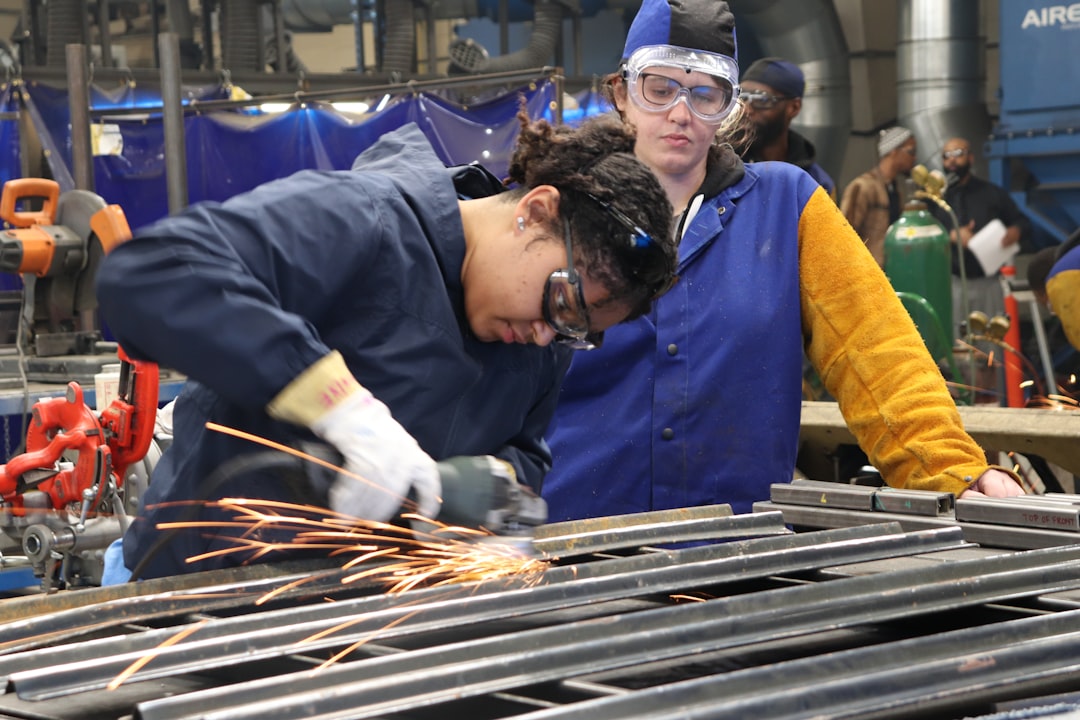
Career Ahead research identifies electrical work, plumbing, and HVAC as some of the most valuable skills taught in trade school programs. These fields offer strong job prospects and competitive salaries for graduates.
You may also like
 Education & University Insights
UP ITI Admission Opens Fifth Phase Applications
The fifth phase of UP ITI admissions for the 2026-27 training session will start on October 6, 2026, and will remain open until midnight on…
Read More →