No products in the cart.

India Cuts Customs Duty to Energize Electronics Manufacturing
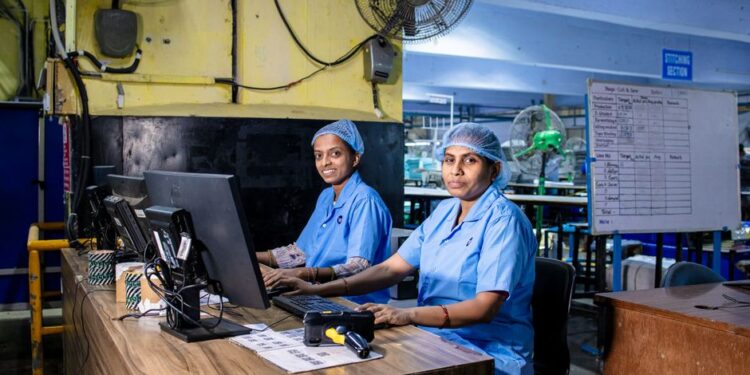
India's government has waived customs duty on essential components for electronics manufacturing, aiming to reduce production costs and enhance local capabilities. This strategic move is expected to bolster the domestic electronics sector, particularly for smartphones and laptops.

India’s government has waived customs duty on essential components for electronics manufacturing. This includes display assemblies and lithium-ion cells. The decision, announced on July 9, 2026, aims to boost domestic production of devices like smartphones, laptops, and smart TVs. The finance ministry issued notifications about the waiver, which is valid until March 31, 2029.
This waiver is part of the government’s strategy to promote local manufacturing under the Production-Linked Incentive (PLI) scheme. By lowering the cost of importing key components, the government hopes to make Indian manufacturers more competitive and reduce reliance on foreign imports.
Impact on Import Costs for Display Assemblies
The waiver on customs duty will greatly reduce import costs for display assemblies. These assemblies are essential for smartphones, laptops, and other electronics. Lower costs are expected to encourage manufacturers to source components locally, strengthening the domestic supply chain.
Experts like Rajat Mohan from AMRG Global note that the customs exemptions simplify the regulatory process for manufacturers. This change removes end-use distinctions, making compliance easier and reducing costs. Consequently, manufacturers can invest more in innovation and production scaling.
Additionally, the exemption is likely to boost investment in display assembly manufacturing in India. With lower operational costs, companies can enhance their production capabilities and invest in advanced technologies. This shift could create a more competitive electronics market, benefiting both manufacturers and consumers.
Career Ahead’s analysis shows that this move aligns with global trends toward self-reliance in technology and manufacturing. As India builds its local electronics ecosystem, it may attract multinational companies seeking to expand their operations in the region.
Career Ahead’s analysis shows that this move aligns with global trends toward self-reliance in technology and manufacturing.
Lithium-Ion Battery Production Boost
The customs duty waiver also applies to lithium-ion cells, vital for electric vehicles (EVs) and consumer electronics. Lower import costs for these cells are expected to significantly impact the battery manufacturing sector. As the automotive industry shifts toward electric vehicles, demand for lithium-ion batteries will rise sharply.
You may also like
 Government & Policy
Indian Bonds Face Turning Point
The anticipated tightening of monetary policy is particularly pertinent for financial analysts and corporate treasurers who must adapt their strategies to the evolving economic landscape.
Read More →Manoj Mishra, a partner at Grant Thornton Bharat, states that the duty exemption for lithium-ion cells will support more than just consumer electronics. This change is crucial as it allows manufacturers to produce batteries for automotive, medical, and industrial uses, expanding their market opportunities.
Integrating lithium-ion batteries into various sectors will enhance the competitiveness of Indian manufacturers. It will also support the country’s transition to sustainable energy. As the government promotes greener technologies, local production of lithium-ion batteries will help reduce carbon footprints and boost renewable energy projects.
Moreover, this waiver is expected to attract new investments into the lithium-ion battery sector. Companies that build gigafactories for battery production may benefit from lower costs, making it viable to scale operations. This could create jobs and drive technological advancements, solidifying India’s role in global electronics manufacturing.
Strengthening Local Supply Chains
The customs duty waiver is part of a broader strategy to strengthen local supply chains in the electronics sector. By lowering import costs, the government encourages manufacturers to source materials domestically. This shift supports local businesses and enhances the supply chain’s resilience against global disruptions.
Industry leaders like Pankaj Mohindroo from the mobile devices body ICEA stress that expanding the duty exemption for display assemblies to include automotive and medical applications is significant. It allows manufacturers to diversify their products and tap into new markets, leading to increased revenues and growth.
This shift supports local businesses and enhances the supply chain’s resilience against global disruptions.
Additionally, the waiver is expected to encourage collaboration among manufacturers, suppliers, and technology providers. As companies work together to optimize production and share resources, overall supply chain efficiency is likely to improve. This collaboration can lead to innovations that enhance product quality and speed up the launch of new technologies.
You may also like
 Government & Policy
Fed, ECB Minutes to Show Inflation Fears as Hike Bets Fade
This development is crucial for understanding the current economic landscape. The Fed's and ECB's communications suggest that inflation remains a top priority, impacting their decisions…
Read More →Career Ahead research indicates that stronger local supply chains may make manufacturers less vulnerable to international trade tensions and supply shortages. This resilience is crucial for maintaining steady production and ensuring consumers have access to the latest electronic devices without delays.
As India moves toward a more self-reliant manufacturing model, the customs duty waiver’s implications go beyond cost savings. It represents a policy shift that could reshape the electronics industry in the coming years.
This customs duty waiver is a crucial moment for India’s electronics sector. It aims to reduce production costs and foster innovation and collaboration among local manufacturers. As the industry adapts, it will be interesting to see how quickly it can scale production to meet the growing demand for electronics in both domestic and international markets.
Frequently Asked Questions
How will the duty waiver impact electronics manufacturing costs?
The customs duty waiver will greatly reduce import costs for essential components like display assemblies and lithium-ion cells. This reduction is expected to lower overall production costs, making Indian electronics more competitive globally.
The customs duty waiver will greatly reduce import costs for essential components like display assemblies and lithium-ion cells.
What components are affected by the customs duty waiver?
The waiver applies to key components used in electronics manufacturing, including display assemblies, lithium-ion cells, and inductor coil modules. These components are critical for producing smartphones, laptops, and other devices.
What steps should electronics manufacturers take to leverage this duty exemption?
Manufacturers should reassess their supply chains to maximize the benefits of the duty exemption. This includes exploring local sourcing options and investing in technologies that improve production efficiency.
You may also like
 Government & Policy
Korea Orders Security Checks After Finance-Sector Data Breaches
The government’s directive requires financial institutions to implement comprehensive security protocols to protect customer data and maintain trust in the financial system.
Read More →Sources: Dtnext, Thehindu, Moneycontrol.