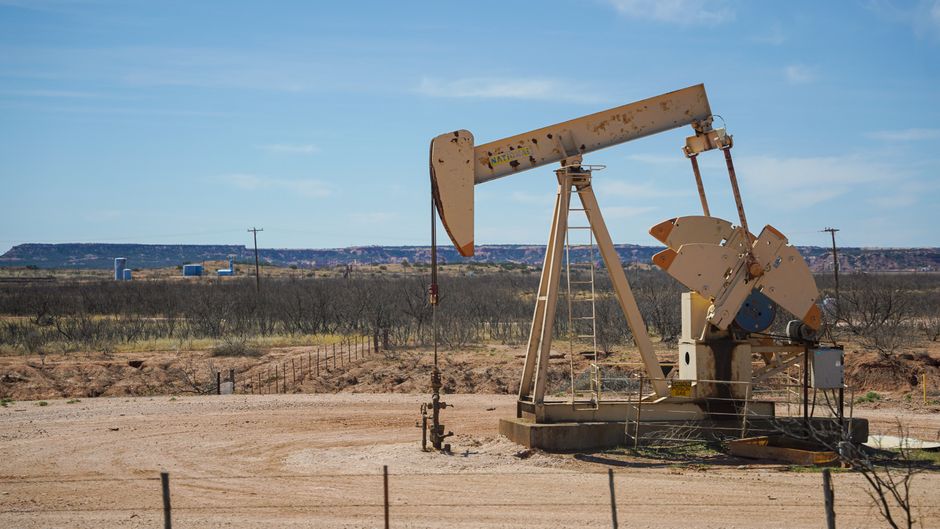
OPEC+ has decided to increase oil production quotas by a total of 188,000 barrels per day for July 2026. This decision was made during a recent meeting held via video conference, involving key member nations such as Saudi Arabia, Russia, and Iraq. Analysts have indicated that this increase may not significantly impact oil prices, which have been influenced heavily by ongoing geopolitical tensions in the Middle East.
The production increase is part of OPEC+’s ongoing strategy to support oil market stability. However, many experts, including Jorge Leon from Rystad Energy, suggest that the actual impact on the market will be limited. Leon noted that the market is currently facing a shortage of physical barrels, not just quotas, which makes the announced increase more of a policy signal than a substantial supply boost. He emphasized that “the market is not short of quota announcements; it is short of physical barrels that can actually move,” indicating that the geopolitical climate severely constrains the effectiveness of OPEC+’s decisions.
Understanding the Current Oil Market Dynamics
The oil market’s current dynamics are shaped by several factors, including geopolitical tensions in the Middle East and fluctuating demand. The ongoing conflict in the region has led to fears of supply disruptions, particularly through critical chokepoints like the Strait of Hormuz. This situation complicates the effectiveness of any production increases announced by OPEC+. According to a report by the Economic Times, OPEC+ ministers expressed caution in their approach, reaffirming the importance of flexibility in their production adjustments. This flexibility allows OPEC+ to adapt to rapidly changing market conditions, especially as the geopolitical landscape evolves. For instance, if tensions in the Strait of Hormuz ease, a sudden influx of oil could shift market perceptions from fearing shortages to concerns about oversupply.
shale production will be crucial in determining future price movements.
Moreover, the United States’ shale oil production continues to play a significant role in shaping global oil supply. As U.S. shale producers ramp up their output in response to higher prices, this could further complicate OPEC+’s efforts to stabilize the market. The interplay between OPEC+ decisions and U.S. shale production will be crucial in determining future price movements. The National News reported that the recent production increase is seen as an attempt by OPEC+ to balance the market amid historically high oil prices, while also addressing compensation for previous production cuts. This balancing act underscores the challenges OPEC+ faces in maintaining market stability while responding to external pressures.
 Industry & Global Trends
Teenage Engineering Stops Synth Production, Musicians React
Teenage Engineering's decision to cease synthesizer production, including the iconic OP-1, raises significant concerns for electronic musicians and the future of music technology. This move…
Read More →Career Ahead’s analysis finds that the recent production increase may not alleviate the supply constraints caused by geopolitical tensions. The market is currently not short of quotas but rather of the physical barrels needed to meet demand. This discrepancy highlights the complexities faced by oil market analysts and energy economists as they forecast price movements in the coming months. As the situation evolves, analysts will need to closely monitor both OPEC+’s production strategies and the geopolitical landscape to understand their implications for the global oil market.
Implications for Oil Prices and Supply Chain Managers
The increase in production quotas by OPEC+ is expected to have limited immediate effects on oil prices. Market analysts anticipate that prices will remain volatile due to the underlying geopolitical risks. For supply chain managers in the energy sector, this presents a challenging environment where planning and forecasting become increasingly complex. The Economic Times highlighted that the OPEC+ decision to increase output was made in light of ongoing conflicts, suggesting that the organization is aware of the precarious balance it must maintain.
Supply chain managers must consider the possibility of fluctuating oil prices as a result of geopolitical developments. For example, if tensions in the Middle East escalate, prices could spike despite OPEC+’s attempts to stabilize the market through increased production. Conversely, a resolution to these tensions could lead to a rapid decrease in prices, impacting supply chain strategies across the energy sector. Additionally, energy economists are tasked with assessing how these production changes will affect demand patterns. As prices fluctuate, consumer behavior may shift, leading to changes in demand for various energy products. Understanding these patterns will be vital for professionals in the energy sector as they navigate the complexities of the market.
 Industry & Global Trends
The Impact of Yield Increases on Equity Strategies
Equity markets are adjusting to rising yields, which significantly impacts investment strategies for equity research analysts and investment bankers. Understanding sector performance in response to…
Read More →Furthermore, the recent production increase raises questions about OPEC+’s long-term strategy. The organization’s ability to manage production levels while responding to external pressures will be critical in maintaining market stability. OPEC+ must balance the need to support prices with the reality of geopolitical risks, which could undermine their efforts. As the oil market continues to evolve, analysts and supply chain managers must remain vigilant. The interplay between OPEC+ decisions and geopolitical developments will be key in shaping the future of oil prices and market stability.

The interplay between OPEC+ decisions and geopolitical developments will be key in shaping the future of oil prices and market stability.
Looking ahead, the potential reopening of the Strait of Hormuz could significantly alter market dynamics. If Iran’s hold on this crucial shipping route weakens, the oil market may shift from fearing shortages to grappling with an oversupply. This transition could lead to rapid changes in pricing and availability, making it essential for industry professionals to stay informed and adaptable. The recent decisions by OPEC+ reflect an ongoing effort to navigate these complexities, but the ultimate impact on the market remains uncertain as geopolitical tensions continue to loom.
Frequently Asked Questions
What does the OPEC+ production increase mean for oil prices?
The OPEC+ production increase of 188,000 barrels per day for July is unlikely to significantly lower oil prices due to ongoing geopolitical tensions. Market analysts suggest that the actual supply of physical barrels remains constrained.
How can energy economists assess the impact of geopolitical tensions on oil supply?
Energy economists can analyze historical data and current geopolitical developments to forecast potential supply disruptions. Understanding the relationship between geopolitical events and oil prices is crucial for accurate market predictions.
What should supply chain managers in energy consider in light of OPEC+ decisions?
Supply chain managers should monitor geopolitical developments closely, as these can impact oil prices and availability. They must also adapt their strategies to accommodate potential volatility in the market.
Written by Career Ahead AI. AI can make mistakes, so verify key facts. Report errors to support@careeraheadonline.com.