Samsung CEO TM Roh discusses the transformative potential of foldable phones in enhancing personal AI, emphasizing trust and user understanding as key components.
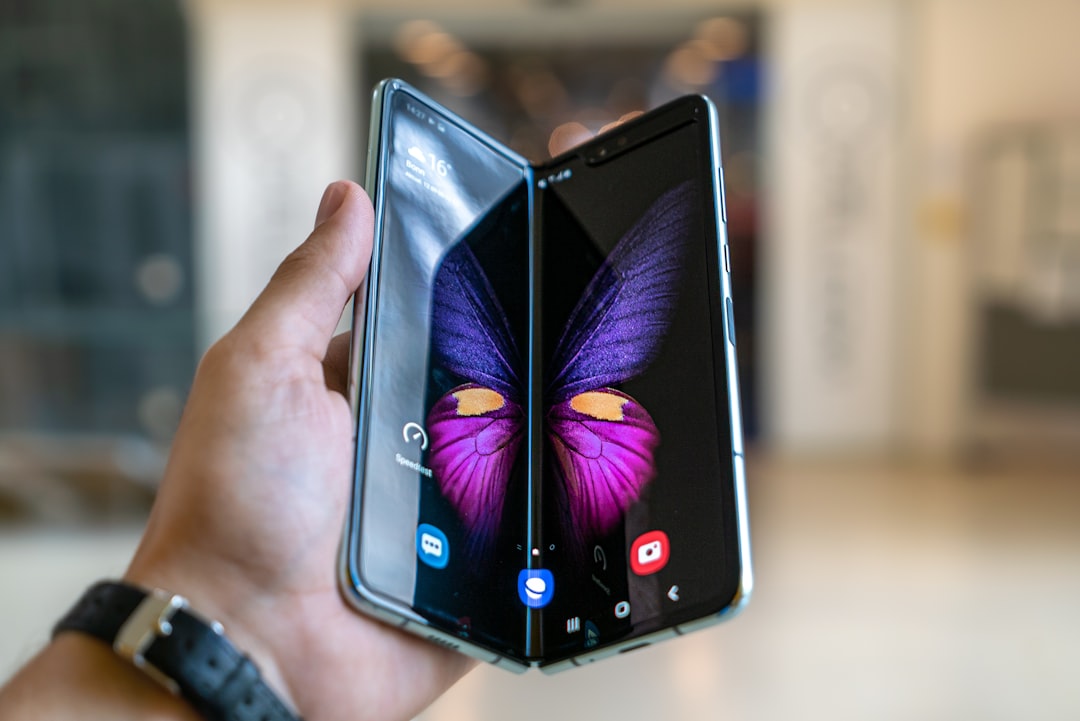
India — Samsung is preparing to launch its latest foldable phones, aiming to redefine personal AI. The announcement, made by Samsung Electronics CEO TM Roh, highlights a shift towards integrating agentic AI into devices, enabling them to act on users’ behalf while maintaining user control. This development is set to significantly impact how consumers interact with technology, particularly through mobile applications.
Roh emphasized that personal AI must be trustworthy and capable of understanding user needs. The integration of AI across Samsung’s ecosystem, which includes tablets, smartwatches, and TVs, aims to create a seamless experience. As foldable form factors gain popularity, they are expected to enhance personal AI capabilities, making devices more intuitive and responsive to individual user preferences. According to a recent article by Hindustan Times, this evolution is not merely about technological advancement but also about fostering a relationship of trust between users and their devices.
Advancements in Foldable Technology and AI
The foldable phone market is rapidly evolving, with Samsung leading the charge. The upcoming Galaxy Unpacked event will showcase innovations that promise to enhance user experiences through advanced AI functionalities. Roh stated, “AI no longer merely answers. It is entering an agentic age, taking action on our behalf while the person carries the final decision.” This shift suggests a future where devices not only respond to commands but also anticipate user needs based on gathered data. The significance of this transition cannot be overstated, as it represents a fundamental change in how users will interact with their devices, moving from a reactive to a proactive model.
Samsung’s approach to AI involves creating a cohesive ecosystem where various devices communicate and learn from each other. For instance, data from a smartwatch can influence the scheduling of tasks on a smartphone. This interconnectedness enables a level of personalization previously unattainable, as devices learn from users’ habits and preferences. The integration of AI in foldable phones will likely lead to more customized mobile applications, enhancing user engagement.
Challenges for Mobile App Developers
As foldable phones become more mainstream, mobile app developers will need to adapt their designs to leverage these new capabilities. The unique form factor of foldable devices presents opportunities for innovative app interfaces and functionalities. Developers must consider how their applications can utilize the device’s ability to switch between different modes, such as a compact phone and a larger tablet-like interface. This adaptability will be crucial for maximizing user experience. Furthermore, the emphasis on trust in AI will reshape how developers approach app security and user data management. Users will demand transparency regarding how their data is used and how AI makes decisions.
Furthermore, the emphasis on trust in AI will reshape how developers approach app security and user data management.
As Samsung positions itself as a leader in this space, product managers and developers must prioritize building trust through robust security measures and clear communication about AI functionalities. The integration of personal AI into foldable devices will have profound implications for mobile app development. Developers will need to rethink their strategies, focusing on creating applications that are not only functional but also intelligent and responsive.
Future Directions for User Experience
The ability of foldable phones to adapt to various contexts means that apps must be designed with flexibility in mind. This is particularly important as users increasingly expect their devices to cater to their specific needs and preferences. Career Ahead’s analysis identifies that as Samsung’s foldable phones gain traction, mobile app developers will face increasing pressure to innovate. Applications that can leverage the unique features of foldable devices, such as multitasking capabilities and enhanced screen real estate, will likely be more successful.
Moreover, the push for personal AI integration will require developers to enhance their skill sets. Familiarity with AI frameworks and machine learning models will become essential for creating applications that can learn and adapt to user behavior. As Samsung continues to refine its AI capabilities, developers must stay ahead of the curve by investing time in understanding these technologies. The focus on user experience will also necessitate collaboration between product managers and developers. By working closely together, they can ensure that applications are designed with user needs in mind, leading to more intuitive and engaging experiences.
Risks, Trade-Offs, and What Comes Next
As Samsung prepares to unveil its new foldable phones, the tech industry watches closely. The introduction of agentic AI into consumer devices marks a significant shift in how users will interact with technology. This evolution presents both challenges and opportunities for product managers and developers, who must adapt to the changing landscape. The integration of personal AI into foldable devices is not just a trend; it represents a fundamental shift in how technology will serve users in the future.
With the rise of foldable devices, the demand for innovative applications that leverage personal AI will only increase. As Samsung’s ecosystem continues to grow, the need for developers to create seamless, intelligent applications will become paramount. The future of mobile technology is not just about hardware advancements; it is also about creating experiences that resonate with users on a personal level.
Explore the distinct functionalities of Google Gemini Tasks and OpenAI Dots to determine which AI productivity tool best suits your needs. This article delves into…
Familiarity with AI frameworks and machine learning models will become essential for creating applications that can learn and adapt to user behavior.
Frequently Asked Questions
What features should product managers consider for foldable phones?
Product managers should focus on the integration of AI capabilities that enhance user experience. This includes ensuring that applications can adapt to different screen sizes and orientations while maintaining functionality and ease of use.
How can mobile app developers optimize apps for foldable devices?
Developers can optimize apps by designing flexible interfaces that take advantage of the unique form factors of foldable phones. They should also implement AI features that allow apps to learn from user behavior and preferences.
What are the implications of personal AI advancements for AI researchers?
AI researchers will need to focus on developing models that can operate in real-time and adapt to user interactions. This includes working on AI frameworks that prioritize user trust and data security, as these will be critical in consumer applications.




AI & Technology

 AI & Technology