No products in the cart.

India likely won't export sugar for years
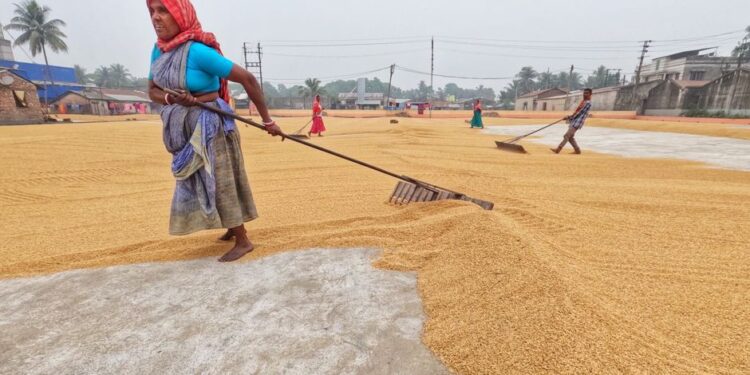
India's sugar exports are set to decline significantly due to El Nino's impact on production and rising domestic ethanol demand, raising concerns for global sugar markets.

India is expected to face a significant decline in sugar exports over the next few years, primarily due to the adverse effects of El Nino and increasing domestic demand for ethanol. This situation is likely to create tighter sugar supplies in global markets, resulting in rising prices for importers across Asia, Africa, and the Middle East.
As the world’s second-largest sugar producer, India has historically played a crucial role in stabilizing global sugar prices. However, the current forecast suggests that the nation will have little surplus for export for at least three seasons. This shift is particularly concerning as it removes a key balancing supplier from the market, potentially leading to increased costs for global importers. According to the Economic Times, the twin pressures of El Nino and rising ethanol demand are poised to keep millions of tons of sugar off the world market, tightening supplies for importers and supporting benchmark prices in London and New York.
El Nino’s Threat to Sugar Production
The El Nino weather phenomenon is expected to weaken India’s monsoon rains significantly, with forecasts indicating the lowest rainfall levels in 11 years. This reduction in rainfall is critical as it directly affects sugarcane planting and yields. Farmers are already expressing concerns about the adverse weather conditions, which have led many to delay planting or switch to less water-intensive crops. Rahil Shaikh, managing director of MEIR Commodities India, noted that if the rains do not meet expectations, cane planting will suffer, further reducing India’s capacity to participate in the global sugar market.
This reduction in rainfall is critical as it directly affects sugarcane planting and yields.
You may also like
 Industry & Global Trends
PB Fintech Profit Surges 92% Amid Insurance Growth
This surge in profitability is particularly relevant for insurance agents and financial analysts, as it highlights the growing opportunities within the insurance sector.
Read More →According to industry estimates, India’s sugar production for the current season is projected to fall to 27.9 million tons, below the annual consumption of approximately 28.5 million tons. This decline in production is compounded by the fact that inventories at the beginning of the season are expected to drop to around 3.5 million tons, the lowest level in over three decades. Such figures underscore the severity of the situation for both domestic and international stakeholders. Farmers are increasingly concerned that the prolonged dry spells could lead to a significant drop in sugarcane yields, which would not only affect their incomes but also the overall sugar supply chain.
Shifting Focus: Ethanol Demand
Another critical factor contributing to the decline in sugar exports is the rising demand for ethanol in India. The government has been pushing for higher ethanol blending with petrol to reduce dependence on imported crude oil. This policy shift has led to increased investments in ethanol production facilities, which are now diverting more sugarcane away from sugar production. Industry forecasts suggest that ethanol demand could more than double by 2039-40, reaching approximately 30 billion liters, up from the current 12-13 billion liters. This growing demand is expected to reshape the agricultural landscape in India, as sugarcane is increasingly seen as a raw material for biofuels rather than for sugar production.
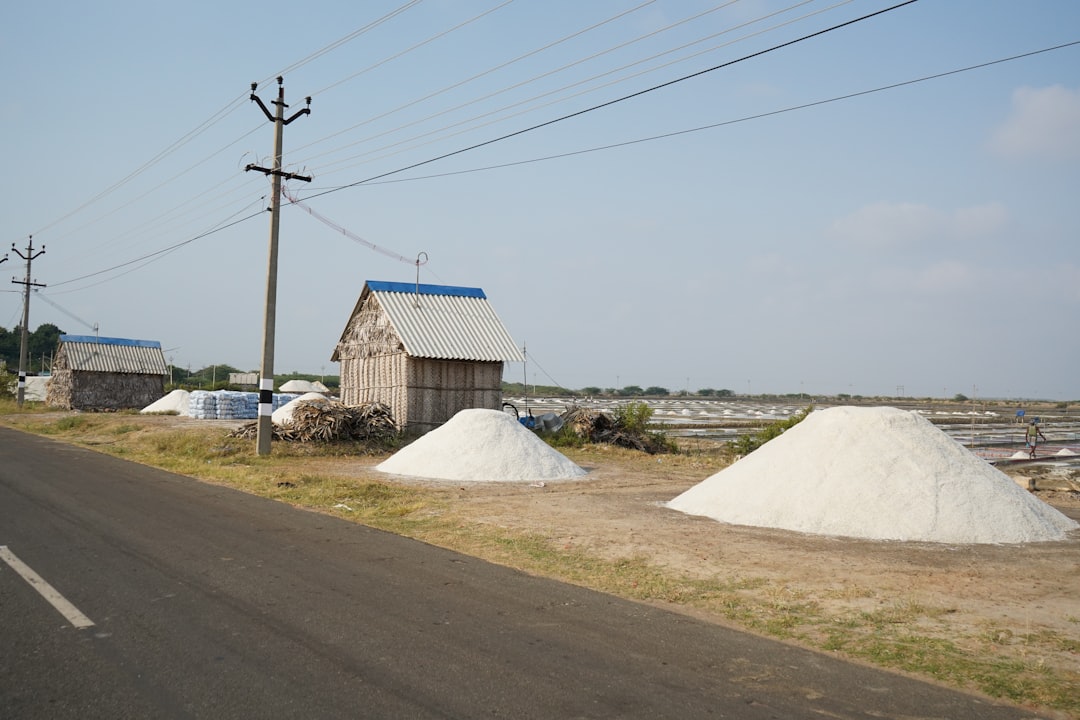
As a result, sugar mills are likely to prioritize the production of ethanol over sugar, further limiting the availability of sugar for export. The Economic Times reports that this shift not only affects Indian producers but also has broader implications for global sugar prices. For global importers, the implications are clear: they must prepare for a tighter sugar supply and potentially higher prices. Countries that have relied on Indian sugar may need to seek alternative sources, which could lead to increased competition and further price hikes in the global market. The shift towards ethanol could also prompt other sugar-producing nations to reconsider their production strategies as they respond to changing market dynamics.
Global Market Implications
You may also like
 Industry & Global Trends
Regulatory capture fuels industry‑led standards in emerging tech
Lobbying expenditures in digital finance have risen sharply, while think‑tank sponsorships increasingly align research agendas with industry priorities.
Read More →For global importers, the implications are clear: they must prepare for a tighter sugar supply and potentially higher prices.
The anticipated reduction in sugar exports from India is set to have far-reaching consequences for the global sugar market. With India traditionally accounting for about 10% of global sugar shipments, its absence will create a vacuum that other countries may struggle to fill. Brazil and Thailand, two other major sugar exporters, are also facing their own challenges related to El Nino, which could exacerbate the situation. As the global sugar market adjusts to these new realities, prices are likely to rise. The benchmark prices in London and New York are already showing signs of support due to tightening supplies. Importers will need to navigate these price increases while also considering the long-term implications of shifting agricultural policies in major sugar-producing countries.
Furthermore, the potential for India to become a net sugar importer for the first time in a decade adds another layer of complexity to the situation. If domestic production continues to fall short of consumption, India may have to rely on imports to meet its needs, which could further strain global supplies and drive prices higher. For sugar producers in India, the current scenario presents significant challenges. With reduced export opportunities, many mills may face financial difficulties, leading to potential job losses and economic instability in regions dependent on sugar production. The government will need to balance the needs of domestic consumers with the realities of the global market to ensure stability.

Monitoring the Evolving Landscape
As the situation evolves, stakeholders in the sugar industry, including farmers, producers, and global importers, will need to closely monitor weather patterns, policy changes, and market dynamics to navigate this challenging landscape. The interplay between domestic needs and international trade will be crucial in shaping the future of sugar production and exports in India.
You may also like
 Industry & Global Trends
Disney+ Cracks Open the Door to TikTok Creator Videos | Career Outlook
Disney's partnership with TikTok allows creators to use clips from its extensive library to produce engaging content, enhancing viewer interaction on Disney+. This collaboration marks…
Read More →