No products in the cart.

The Challenges of Electric Bus Implementation
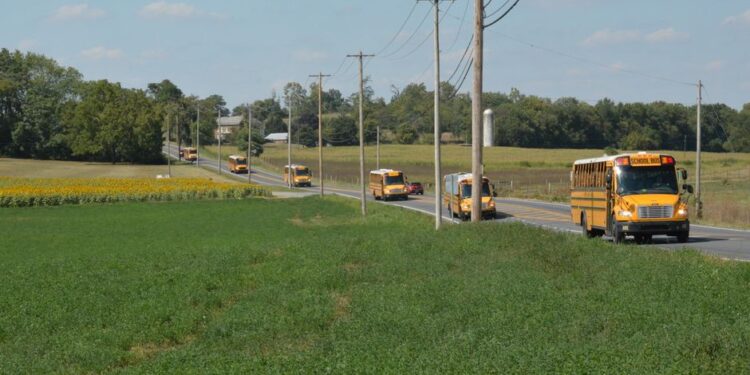
Many schools across the U.S. are postponing the adoption of electric buses due to budget constraints and regulatory challenges. This article explores the implications for school administrators and the environment.

Schools across the United States are hesitant to adopt electric buses. Budget constraints and regulatory hurdles are major concerns. Despite federal funding aimed at promoting electric vehicles, many districts are still reluctant to switch. This trend raises questions about the future of school transportation and its environmental impact.
The push for cleaner transportation is strong. The Environmental Protection Agency (EPA) has a $5 billion program to help schools transition from diesel to electric buses. However, many districts face complex situations where initial costs and infrastructure needs seem too high. Career Ahead’s analysis shows that while long-term savings on fuel and maintenance are appealing, the upfront investment remains a major barrier.
Budget Constraints and Financial Implications
One primary reason schools delay adopting electric buses is their budget constraints. Many districts operate on tight budgets and prioritize immediate needs over long-term investments. Even with federal funding, the initial costs for electric buses and charging infrastructure can be daunting.
According to e360.yale.edu, electric buses may lead to lower operational costs over time. However, the upfront expenses can deter many school districts from making the switch. Additionally, maintaining existing diesel fleets complicates financial planning. Schools often face funding shortages, making it hard to allocate resources for new technologies.
Furthermore, uncertainty about future funding makes districts hesitant to commit to electric buses. Many administrators worry about sustaining the costs of electric buses in the long run, especially if federal support decreases. This uncertainty leads to a preference for traditional diesel buses, which are seen as more stable despite their environmental drawbacks.
Career Ahead research shows that as budget constraints tighten, school administrators must evaluate their transportation needs against their financial realities. This often results in reluctance to invest in electric buses, despite potential long-term savings.
Career Ahead research shows that as budget constraints tighten, school administrators must evaluate their transportation needs against their financial realities.
Regulatory Challenges and Infrastructure Needs
Regulatory challenges also delay the adoption of electric buses in schools. Many districts face complex regulations about vehicle types and environmental standards. These rules vary by state, adding complexity to the decision-making process.
For example, some states require a certain percentage of school buses to be electric by a specific date. However, many districts lack the infrastructure to meet these requirements. As noted by edweek.org, without adequate charging stations and maintenance facilities, transitioning to electric buses can be logistically challenging.
The infrastructure needed for electric buses, like charging stations, can be costly and time-consuming to install. Many school districts lack the technical expertise and resources to manage this transition effectively. As a result, they may delay implementation until they can secure the necessary infrastructure and staff training.
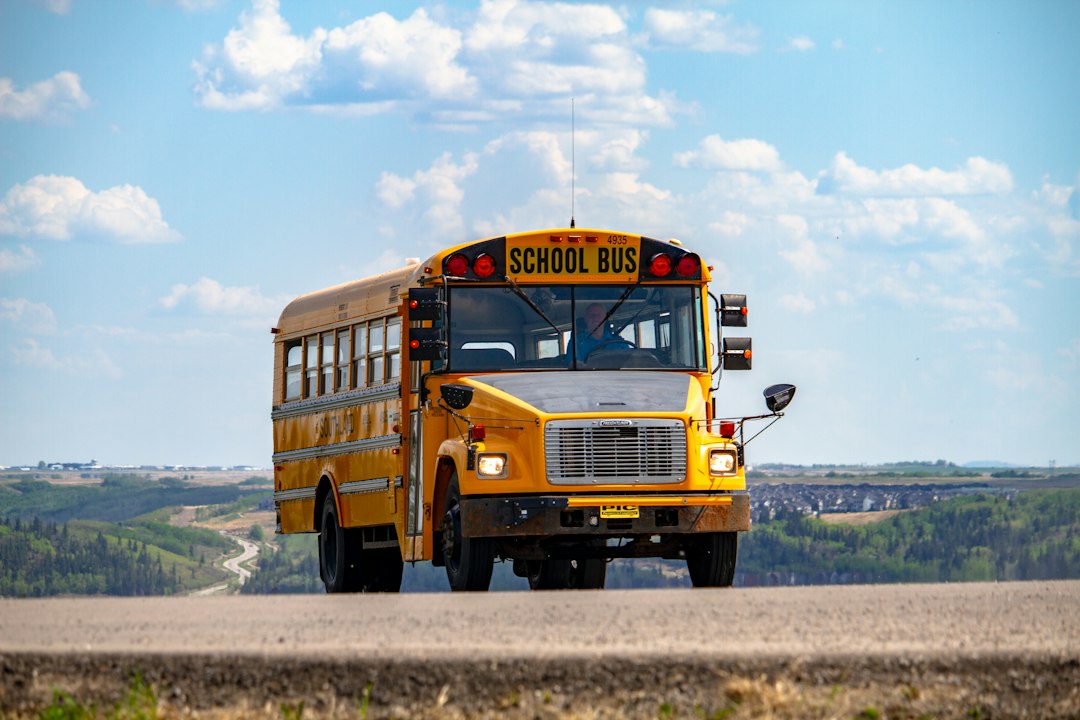
Career Ahead’s analysis finds that as regulatory pressures increase, school administrators must navigate a complex compliance landscape while balancing budget constraints. This often leads to a cautious approach toward adopting electric buses, weighing the risks of non-compliance against the benefits of cleaner transportation.
The slow adoption of electric buses can hinder broader environmental goals. It can delay progress toward reducing greenhouse gas emissions in the transportation sector. Schools represent a significant portion of vehicle miles traveled in urban areas, making their transition to electric buses crucial for sustainability targets.
Environmental Impact of Fossil Fuel Buses
The environmental impact of using fossil fuel-powered school buses is significant. Diesel buses contribute to air pollution, which harms children’s health and communities. Research shows that children are especially vulnerable to air pollution, which can worsen respiratory issues and other health problems.
These pollutants can affect their lung development and overall health.
A report by the American Lung Association states that children riding diesel school buses are exposed to harmful pollutants. These pollutants can affect their lung development and overall health. The urgency to transition to electric buses is not just an environmental issue but also a public health concern. Career Ahead’s analysis highlights that while the transition may be slow, the long-term health benefits of electric buses are substantial.
Moreover, relying on fossil fuels for school transportation contributes to climate change. The transportation sector is a major contributor to greenhouse gas emissions, and school buses play a significant role. Delaying the adoption of electric buses may perpetuate these environmental challenges.
As the push for sustainability grows, pressure on school districts to adopt cleaner technologies will likely increase. More communities are advocating for environmental justice and cleaner air. Districts may face public scrutiny over their transportation choices. This social pressure could eventually lead to more electric bus adoption as communities demand action on climate change.
The implications of delaying electric bus adoption are profound. As schools deal with financial and regulatory challenges, the environmental impact of fossil fuel buses remains a pressing concern. The future of school transportation is uncertain, and today’s decisions will shape sustainable transportation for generations.
As school transportation evolves, districts must find innovative solutions to overcome barriers. In the coming years, more funding opportunities and community advocacy may lead to wider adoption of electric buses in schools.
Career Ahead analysis shows that while electric buses have higher upfront costs, they offer significant savings on fuel and maintenance over time.
Frequently Asked Questions
What are the cost benefits of electric buses for schools?
Career Ahead analysis shows that while electric buses have higher upfront costs, they offer significant savings on fuel and maintenance over time. Many districts can reduce operational costs by transitioning to electric buses, especially with federal funding support.
How can electric bus manufacturers adapt to changing school needs?
Electric bus manufacturers can adapt by developing more affordable models and providing comprehensive support for charging infrastructure. This will help schools overcome financial and logistical barriers to adoption.

What should school administrators consider when evaluating electric bus options?
School administrators should consider the total cost of ownership, including initial costs, maintenance, and potential savings on fuel. They must also evaluate the availability of charging infrastructure and any regulatory requirements specific to their district.
Written by Career Ahead AI. AI can make mistakes, so verify key facts. Report errors to support@careeraheadonline.com.