No products in the cart.

India, New Zealand Finalize Duty-Free Trade Agreement
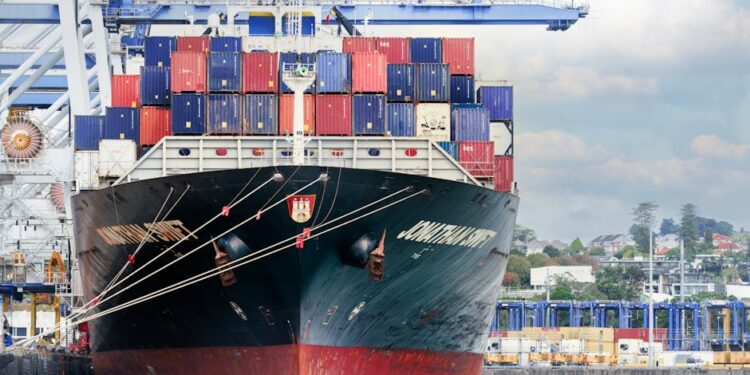
India and New Zealand have signed a Free Trade Agreement (FTA) allowing Indian exporters tariff-free access to the New Zealand market. The agreement is expected to boost Indian exports, create jobs, and attract New Zealand investment into India.


India and New Zealand Sign Free Trade Agreement
On April 27, 2026, India and New Zealand officially signed a Free Trade Agreement (FTA) that grants Indian exporters tariff-free access to the New Zealand market for 100% of their goods. This agreement signifies a major advancement in trade relations between the two nations, with negotiations commencing in March 2025 and concluding by December of the same year.
Commerce Minister Piyush Goyal welcomed New Zealand’s Minister for Trade & Investment, Todd McClay, in New Delhi shortly before the signing, underscoring the urgency both countries place on strengthening their economic ties. The FTA is anticipated to facilitate smoother trade flows and enhance economic cooperation.
In return, New Zealand will reduce or eliminate tariffs on 95% of its imports from India, creating a mutually beneficial arrangement that opens new markets for businesses in both countries.
Benefits for Indian Exporters
The FTA is expected to significantly benefit Indian exporters by providing easier access to the New Zealand market, known for its high consumer standards and demand for quality products. Reports indicate that Indian exporters have faced challenges due to high tariffs, which this agreement effectively addresses.
In return, New Zealand will reduce or eliminate tariffs on 95% of its imports from India, creating a mutually beneficial arrangement that opens new markets for businesses in both countries.
Industry experts predict that sectors such as textiles, pharmaceuticals, and agricultural products will particularly thrive under this duty-free access. As Indian companies expand their presence in New Zealand, they are likely to experience increased sales and revenue, potentially leading to job creation in India.
Additionally, the FTA is expected to attract New Zealand investment into India, especially in sectors where Indian firms seek to enhance their capabilities. The potential for collaboration in technology and innovation is significant, as both countries aim to leverage each other’s strengths.
Strategic Implications for Trade Relations
This FTA is part of India’s broader strategy to strengthen its trade relationships within the Asia-Pacific region and globally. By eliminating trade barriers with New Zealand, India positions itself as a more attractive partner for other nations considering similar agreements. This could encourage a domino effect, prompting other countries in the region to engage with India more proactively.
Moreover, the agreement aligns with New Zealand’s strategy to diversify its trade partners beyond traditional markets. As global trade dynamics evolve, both nations recognize the necessity of establishing robust economic ties that can withstand external pressures.

Challenges for Indian Industries
While the outlook is promising, Indian industries may encounter challenges as they adapt to the new trade landscape. Increased competition from New Zealand could compel local businesses to enhance their products and services. Companies may need to invest in technology and innovation to remain competitive in the New Zealand market.
You may also like
 Government & Policy
Pentagon Halts Anthropic AI Use After Blacklisting
The Pentagon has officially ceased using Anthropic's AI tools following the company's blacklisting due to national security concerns. This decision marks a significant shift in…
Read More →Furthermore, Indian exporters will need to meet New Zealand’s stringent quality standards, which may require additional investment in quality control and compliance measures. This could pose a challenge for smaller businesses that may lack the necessary resources.
Increased competition from New Zealand could compel local businesses to enhance their products and services.
Ensuring equitable distribution of the FTA’s benefits across all sectors will also be crucial. Policymakers must monitor the impacts closely and provide support to industries that may struggle to compete.
Sources: Bing News, BBC, Bloomberg.