No products in the cart.

India-New Zealand FTA Set to Transform Agricultural Trade
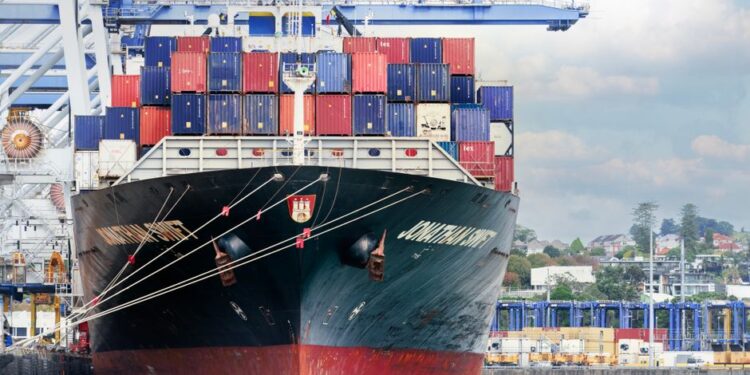
The India-New Zealand Free Trade Agreement will provide duty-free access to 100% of Indian exports, particularly benefiting the agricultural sector. Import-export managers and trade analysts must prepare for the new market dynamics.

India’s Free Trade Agreement (FTA) with New Zealand will start on October 20, 2026. This important agreement gives Indian exporters duty-free access to all their exports to New Zealand. It is expected to change trade dynamics, especially in agriculture, by lowering tariffs and improving market access.
The agreement, signed on April 27, aims to boost trade and investment. It will expand market access and strengthen economic ties between the two countries. With a $20 billion investment commitment over the next 15 years, the FTA aims to double bilateral trade in goods and services to NZ$7 billion by 2030.
Reduced Tariffs on Agricultural Products
The India-New Zealand FTA will remove New Zealand’s peak tariffs of up to 10% on key Indian exports. These include textiles, apparel, leather goods, and agricultural products. This tariff reduction will help Indian farmers and exporters compete better in the New Zealand market.
For instance, products like processed foods, engineering goods, and ceramics will see lower costs due to eliminated tariffs. This change allows Indian exporters to offer their goods at more competitive prices, which may increase their market share in New Zealand. Career Ahead’s analysis shows that removing these tariffs is expected to boost exports of fruits, vegetables, and other perishables.
Moreover, the FTA includes tariff-free access to essential inputs for Indian manufacturers, like wooden logs and coking coal. This access can lower production costs for agricultural products, benefiting consumers in both India and New Zealand.
Trade policy analysts believe that removing tariffs is a key step toward a more integrated supply chain between India and New Zealand. As trade barriers decrease, the flow of goods should improve, leading to faster delivery times and better trade efficiency.
Trade policy analysts believe that removing tariffs is a key step toward a more integrated supply chain between India and New Zealand.
However, import-export managers must be aware of the regulatory changes that come with this agreement. They will need to navigate new compliance requirements and ensure their products meet New Zealand’s standards, which may include quality checks and certifications for agricultural products.
Increased Market Access for Indian Food Exports
The FTA will improve market access for Indian food exports in New Zealand. This country has a growing demand for diverse food products. Indian exporters can now enter a market that increasingly seeks imported food items.
Indian food products, especially organic and specialty items, are likely to attract New Zealand consumers. The agreement opens doors for Indian spices, snacks, and ready-to-eat meals, which are gaining popularity globally. Career Ahead research suggests that Indian exporters should market these products effectively to take advantage of the growing interest in diverse cuisines.
Additionally, New Zealand’s commitment to invest $20 billion in India over the next 15 years will likely enhance collaboration in agriculture. This investment can lead to technology transfers and sharing best practices, helping Indian farmers improve productivity and quality.
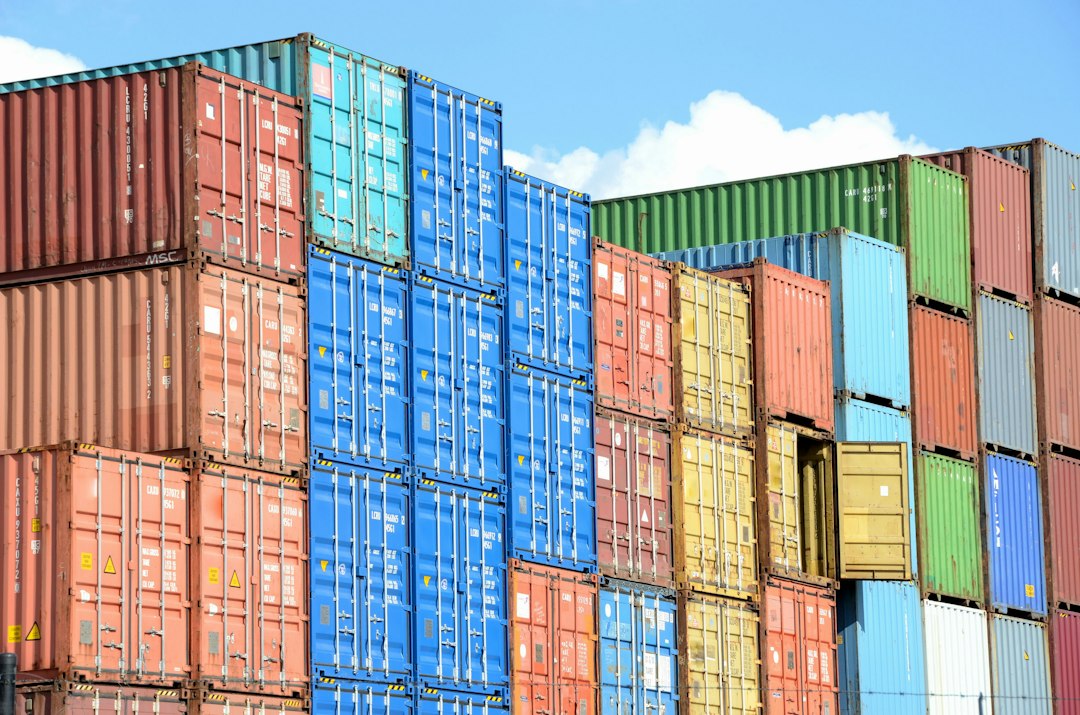
Trade policy analysts note that this increased market access benefits both exporters and consumers in New Zealand. Access to Indian food products can diversify the food supply, offering consumers more choices and potentially lowering prices due to increased competition.
Despite these opportunities, Indian exporters must prepare for challenges in the New Zealand market. Understanding consumer preferences, following local regulations, and building distribution networks will be essential for success.
Understanding consumer preferences, following local regulations, and building distribution networks will be essential for success.
New Regulatory Requirements for Imports
While the FTA offers many opportunities, it also introduces new regulatory requirements that import-export managers must handle carefully. The agreement requires Indian exporters to meet New Zealand’s strict import standards, including quality assurance and food safety regulations.
Career Ahead has found that these regulations can be challenging, especially for small and medium-sized enterprises (SMEs) that may lack resources. Import-export managers must ensure their products meet New Zealand’s food safety and quality standards to avoid delays and rejections at customs.
Furthermore, the FTA creates an agricultural productivity partnership that aims to combine New Zealand’s advanced agricultural technology with India’s scale and demand. This partnership will require Indian exporters to adapt to new agricultural practices and standards, which are crucial for staying competitive in New Zealand.

As both countries implement the FTA, import-export managers should stay updated on the changing regulatory landscape. Engaging with trade associations and government bodies can provide valuable insights and support in navigating these changes.
Ultimately, the successful implementation of the FTA will depend on how well Indian exporters align their operations with New Zealand’s regulatory framework. They must maximize the benefits of reduced tariffs and increased market access.
The expected growth in exports and investments could greatly influence India’s agricultural sector, fostering innovation and enhancing global competitiveness.
With the India-New Zealand FTA set to take effect soon, stakeholders should monitor how these changes will impact agricultural trade. The expected growth in exports and investments could greatly influence India’s agricultural sector, fostering innovation and enhancing global competitiveness.
Frequently Asked Questions
What are the benefits of the India-New Zealand FTA for import-export managers in agriculture?
The India-New Zealand FTA gives import-export managers duty-free access to the New Zealand market. This significantly reduces costs on key agricultural exports, allowing for increased competitiveness and market penetration for Indian products.
How will trade policy analysts assess the impact of the FTA on local markets?
Trade policy analysts will assess the FTA’s impact by analyzing changes in trade volumes, pricing dynamics, and shifts in consumer demand. They will also evaluate how the FTA affects local agricultural practices and supply chains.

What should business development executives in the food industry do to leverage the new trade agreement?
Business development executives should understand the regulatory landscape and consumer preferences in New Zealand. They should also seek partnerships and collaborations that can facilitate market entry and enhance product offerings.
Related Articles
- R M Naik Assumes Role as NAU Vice-Chancellor
Written by Career Ahead AI. AI can make mistakes, so verify key facts. Report errors to support@careeraheadonline.com.