No products in the cart.

India Positions as Trustworthy Chipmaking Hub | Career Outlook
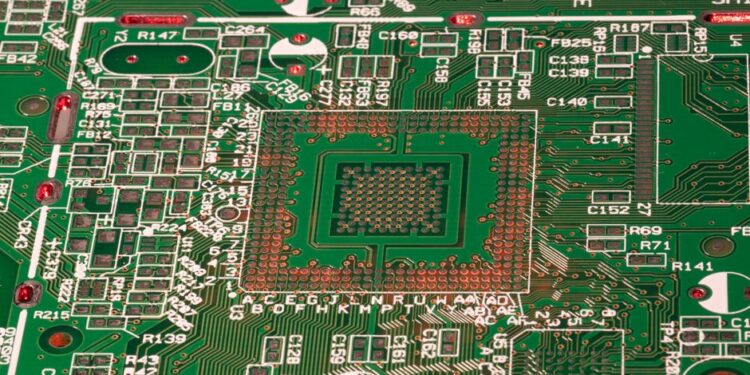
Modi emphasized that India’s semiconductor ecosystem is not just about setting up factories but involves developing a comprehensive infrastructure that includes chip design, manufacturing, and testing.

New Delhi, India — Prime Minister Narendra Modi recently opened SEMICON India 2026. This event promotes India as a reliable place for semiconductor manufacturing. The initiative comes as many countries rethink their supply chains due to geopolitical tensions. The Indian government wants to attract global chipmakers to set up operations in the country, showing the potential for growth in this sector.
Modi stressed that India’s semiconductor ecosystem is more than just factories. It involves building a complete infrastructure for chip design, manufacturing, and testing. This broad approach aims to make India a key player in the global semiconductor market. The world is currently dealing with the “weaponisation” of supply chains. Modi’s vision includes creating an environment where India can be a trustworthy partner, reducing risks from relying on single-source suppliers.
Investment and Growth in Semiconductor Manufacturing
The Indian government has announced major investments to strengthen its semiconductor sector. The second phase of the India Semiconductor Mission has a budget of ₹1.27 lakh crore. This funding aims to enhance the country’s manufacturing capabilities. It is expected to attract significant foreign investment. Companies like Applied Materials plan to invest $5 billion over the next five years to expand in India.
Micron’s CEO, Sanjay Mehrotra, shared that the company has started commercial production in Sanand. This production exceeds the memory needs for India’s entire laptop market. It shows a strong foundation for future growth in the semiconductor industry. Additionally, the government plans to train one lakh individuals to create a skilled workforce for this growing sector.
Industry leaders are optimistic about India’s future. Ajit Manocha, CEO of SEMI, estimates that the semiconductor industry could reach $1.3 trillion this year and might double by 2030. This growth offers unique opportunities for professionals in semiconductor engineering and supply chain management. The demand for skilled workers is expected to rise sharply. The government’s commitment to research and development will also boost India’s competitiveness in the global semiconductor market.
Besides manufacturing, focusing on chip design and innovation is vital. The government aims to support at least 200 startups and companies in chip design. This will further enhance India’s reputation as a global semiconductor hub. This ecosystem approach fosters innovation and creates various job opportunities for engineers and designers. As Livemint noted, innovation will be key for India to lead in the global semiconductor narrative.
This growth offers unique opportunities for professionals in semiconductor engineering and supply chain management.
Implications for Global Supply Chains
You may also like
 Industry & Global Trends
Steel Prices Surge, Boosting Metal Majors’ Stock Picks
Motilal Oswal predicts that rising steel prices will enhance earnings growth for major metal producers, particularly JSW Steel and Tata Steel, amidst lean inventories and…
Read More →India’s effort to become a semiconductor manufacturing leader will likely change global supply chains. As countries aim to reduce reliance on single-source suppliers, India’s diverse semiconductor ecosystem offers an appealing alternative. Shifting to India can help reduce risks from geopolitical tensions and supply chain disruptions.
Vikram Misri, a senior official, mentioned that India does not need to build the entire semiconductor supply chain alone. Instead, it can work with global partners to create a strong ecosystem. This strategy enhances India’s manufacturing capabilities and integrates it into the global supply chain. It creates a win-win situation for all involved. The collaborative model allows for knowledge transfer and innovation sharing, which are crucial for long-term growth in the semiconductor sector.
As companies like Lam Research and ASML increase their investments in India, the country is set to become a key player in the global semiconductor market. This shift could lead to a more balanced distribution of semiconductor manufacturing, reducing the concentration seen in East Asia. The implications for global supply chains are significant as India emerges as a viable option for companies looking to diversify operations and reduce risks from geopolitical uncertainties.
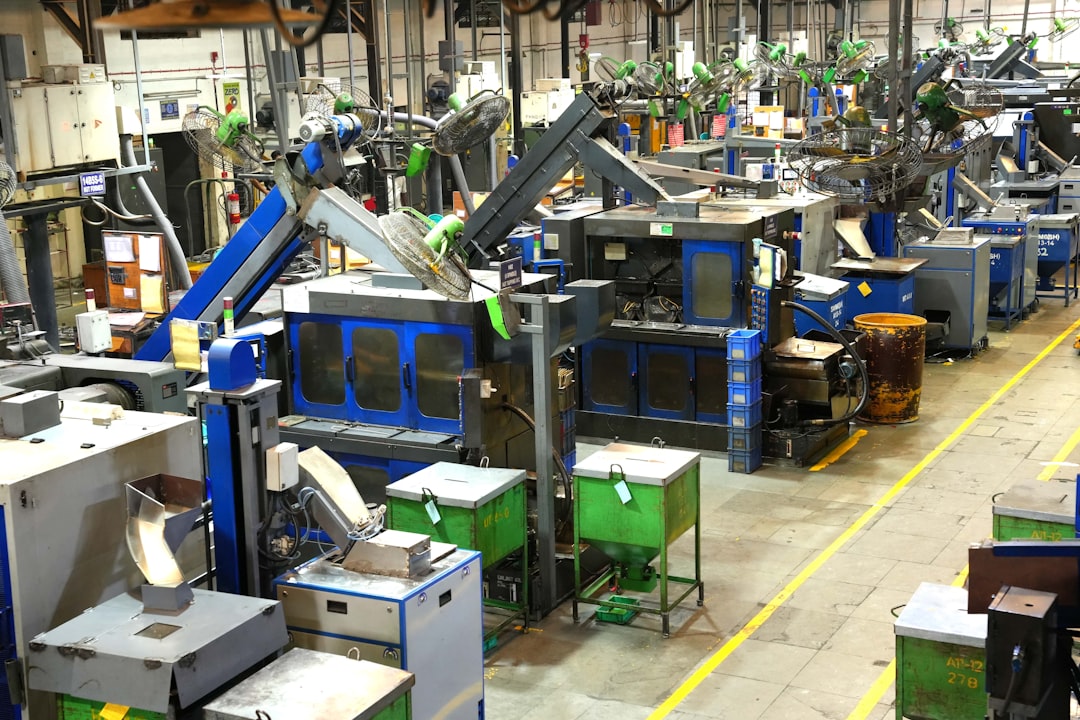
For professionals in the semiconductor and supply chain sectors, this change brings both challenges and opportunities. Engineers and supply chain managers will need to adapt to new technologies and practices as production ramps up in India. Those who can navigate this evolving landscape will be in high demand. The changing semiconductor industry will require continuous learning and adaptation to new methods, ensuring that India stays competitive globally.
The demand for skilled professionals in semiconductor engineering and supply chain management is set to rise as India boosts its manufacturing capabilities.
As the global semiconductor market changes, India’s role will be crucial in shaping future supply chain strategies. Companies looking to diversify will increasingly view India as a viable option. This will lead to a restructuring of how and where semiconductors are produced. The focus on sustainability and ethical sourcing will also significantly influence the future of semiconductor manufacturing in India.
The demand for skilled professionals in semiconductor engineering and supply chain management is set to rise as India boosts its manufacturing capabilities. The government’s commitment to creating a skilled workforce shows a proactive approach to addressing potential skill gaps. Training one lakh individuals is a significant step towards ensuring the workforce meets the needs of this rapidly growing sector.
Career Ahead’s analysis indicates that the shift towards India as a semiconductor hub may create a demand for specialized skills in chip design and manufacturing. As companies set up operations in India, they will need engineers skilled in advanced manufacturing techniques, materials science, and semiconductor design.
You may also like
 Industry & Global Trends
JPMorgan, Santander Lead £1.1 Billion Loan for Drax Solar Deal
The loan aims to support Drax’s expansion into solar energy, allowing the company to diversify its energy portfolio.
Read More →As the industry matures, there will also be a growing need for professionals who can manage complex supply chains and ensure efficient production processes. Supply chain managers will play a vital role in coordinating between manufacturers, suppliers, and logistics providers.
With the semiconductor market projected to reach $2 trillion by 2030, the potential for career growth in this sector is immense. Professionals who stay ahead of industry trends and continuously upskill will be well-positioned to take advantage of the opportunities from India’s semiconductor initiatives.
The developments in India’s semiconductor sector are not just about manufacturing; they represent a strategic shift in how global supply chains are structured. As the country positions itself as a key player, the implications for professionals in semiconductor engineering and supply chain management will be significant.
As the country positions itself as a key player, the implications for professionals in semiconductor engineering and supply chain management will be significant.
Frequently Asked Questions
What are the career opportunities in India’s semiconductor industry?
The semiconductor industry in India is growing quickly, creating many job opportunities for engineers and supply chain managers. With major investments and a focus on training, professionals can expect increased demand for specialized skills in chip design and manufacturing.
How will India’s chipmaking initiatives affect global supply chains?
India’s initiatives will likely diversify global supply chains, reducing reliance on single-source suppliers. This shift can help mitigate risks from geopolitical tensions and supply chain disruptions, making India an attractive option for semiconductor manufacturing.

What skills should semiconductor engineers develop to succeed in this new landscape?
Engineers should focus on gaining specialized skills in chip design, advanced manufacturing techniques, and materials science. As the industry evolves, staying updated on the latest technologies and practices will be crucial for career advancement.
You may also like
 Industry & Global Trends
World Bank Courts Private Financing Amid Global Debt Burden | Career Outlook
In 2026, the World Bank reported that global debt has reached unprecedented levels, with developing countries particularly vulnerable. This situation has prompted a reevaluation of…
Read More →