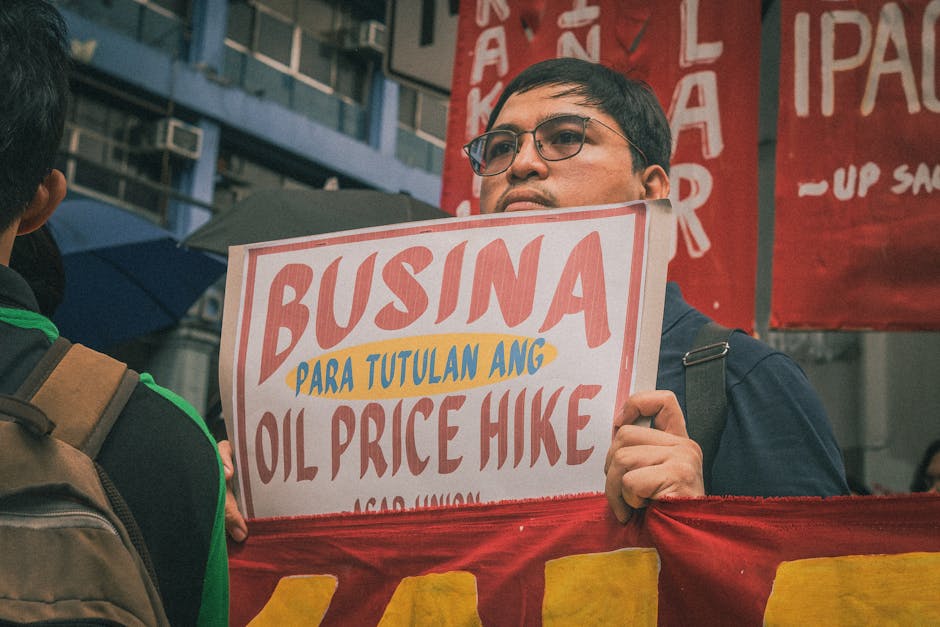
Soaring Costs Amid Global Unrest
India’s state-owned oil companies are currently absorbing staggering losses of ₹1,600-1,700 crore every day. This financial burden comes as they strive to keep fuel prices stable for consumers in the face of rising global energy costs. Since the onset of the conflict in West Asia, which has disrupted oil supplies, these companies have incurred losses exceeding ₹1 lakh crore over just ten weeks. This situation raises significant concerns about the sustainability of such subsidies.
According to sources, the three major oil marketing companies—Indian Oil Corporation (IOC), Bharat Petroleum Corporation Ltd (BPCL), and Hindustan Petroleum Corporation Ltd (HPCL)—are grappling with unprecedented under-recoveries. These under-recoveries represent the gap between the cost of crude oil and the retail prices at which they sell fuel. The companies have managed to maintain low prices for petrol and diesel, which have remained unchanged for two years, despite a sharp increase in global crude oil prices.
The government has played a crucial role in this scenario by reducing excise duties, effectively absorbing some of the costs. However, the ongoing conflict and its impact on crude oil imports, which account for 40% of India’s needs, complicate matters further. The current situation poses a risk to the financial health of these oil firms, which are critical for India’s energy security and economic stability.
Political Ramifications of Fuel Pricing
The decision to keep fuel prices stable has significant political implications. With elections approaching, the government faces pressure to maintain low prices to appease the public. However, the financial strain on oil companies is mounting, and the government must weigh the economic consequences of continued subsidies against the potential backlash from voters if prices rise.
As reported by article.wn.com, the political landscape is becoming increasingly complicated. Fuel price hikes may soon become unavoidable, but the timing and extent of such increases will be crucial. The government’s ability to manage this delicate balance will be closely monitored by both consumers and investors alike.
Furthermore, as countries like Japan and the UK have already raised their fuel prices significantly, India’s decision to hold the line could be seen as a double-edged sword. While it may provide short-term relief to consumers, it risks long-term financial repercussions for the oil companies and the economy as a whole.
The combined losses of around ₹30,000 crore per month threaten future investments in refining capacity, pipelines, and clean energy projects.
Impact on Energy Security and Infrastructure
 Government & Policy
Rubio Urges More US-India Energy Trade and Venezuelan Crude Refining
Rubio discussed refining Venezuelan crude with Indian companies and described India as a “refining superpower”.
Read More →As the financial strain on oil marketing companies continues, their ability to invest in infrastructure and energy security initiatives is at risk. The combined losses of around ₹30,000 crore per month threaten future investments in refining capacity, pipelines, and clean energy projects. These investments are essential for transitioning towards a more sustainable energy model.
According to ndtvprofit.com, the ongoing financial pressure could lead to a reevaluation of capital expenditure (capex) timelines. Companies may need to prioritize immediate operational needs over long-term strategic investments. This could hinder India’s ability to enhance its energy security and transition to cleaner fuels, which are national priorities.
The reliance on crude imports, which are now under threat due to geopolitical tensions, underscores the urgency of developing domestic energy sources. Without significant investment in renewable energy and infrastructure, India may find itself vulnerable to future global energy shocks.

Consumer Confidence and Economic Stability
The current scenario has implications for consumer confidence and overall economic stability. While consumers benefit from low fuel prices in the short term, the long-term sustainability of these prices is uncertain. If oil companies are forced to raise prices suddenly, it could lead to public discontent and impact consumer spending.
Moreover, the government’s financial support through excise duty cuts has resulted in a substantial loss of revenue, estimated at ₹14,000 crore per month. This loss could affect public spending in other critical areas, such as healthcare and education, further straining the economy. The delicate balance between maintaining consumer confidence and ensuring economic stability will be a significant challenge for policymakers.
This loss could affect public spending in other critical areas, such as healthcare and education, further straining the economy.
As the situation evolves, consumers and businesses alike will be watching closely. The potential for sudden price hikes could lead to a shift in consumer behavior, affecting everything from transportation costs to inflation rates.

Global Energy Market Dynamics
 Industry & Global Trends
Agarwal Says India Can Attract Data Centre Investment
Agarwal cites data-centre construction costs around half the US and Europe level, renewable energy, a 1.5 billion population and coastline.
Read More →The global energy market is experiencing unprecedented volatility, driven by geopolitical tensions and supply chain disruptions. The ongoing conflict in West Asia has caused crude oil prices to spike, impacting countries worldwide. As India imports a significant portion of its crude oil, the country is not immune to these global trends.
According to the BBC, the current crisis highlights the interconnectedness of global energy markets. As countries around the world adjust their energy policies to cope with rising prices, India faces the challenge of insulating its economy while maintaining consumer support. The decisions made now will have lasting repercussions on India’s energy landscape.
Furthermore, the shift towards renewable energy sources is gaining momentum globally. India must navigate these changes while ensuring that its energy infrastructure can support both traditional and renewable energy sources. The success of this transition will depend on strategic investments and policy support from the government.
As the financial pressures on oil marketing companies mount, the government must decide how to balance consumer needs with economic realities.
Future Outlook: Navigating Uncertainty
The future of India’s energy pricing and subsidy policies remains uncertain. As the financial pressures on oil marketing companies mount, the government must decide how to balance consumer needs with economic realities. The potential for fuel price hikes looms large, and the timing of such increases will be critical.
In the coming weeks, the government’s decisions may set the tone for India’s energy policy moving forward. As the global energy market continues to fluctuate, India must adapt its strategies to ensure energy security and economic stability. The challenge lies in making informed decisions that address both immediate consumer concerns and long-term strategic goals.

Ultimately, the question remains: how will India navigate the complexities of the global energy landscape while safeguarding its economic interests? The choices made in the near future will shape the country’s energy future for years to come.
 Government & Policy
How to Prepare for Campus Placements in India
Aptitude rounds, company-specific interviews and one-offer policies shape a practical preparation order for students seeking campus internships or jobs.
Read More →Written by Career Ahead AI. AI can make mistakes, so verify key facts. Report errors to support@careeraheadonline.com.