No products in the cart.

Indian Craftsmanship Fuels Global Luxury Fashion
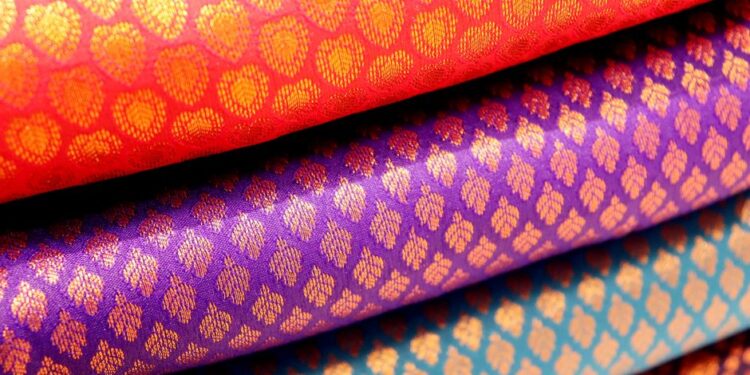
India's luxury fashion market is experiencing a renaissance, driven by the unique skills of its artisans, particularly through the work of Chanakya International and its collaborations with global luxury brands.

India’s luxury fashion market is undergoing a significant transformation, largely fueled by the exceptional skills of its artisans. Recent collaborations between luxury brands and Indian artisans have underscored the importance of craftsmanship in high fashion. A notable player in this renaissance is Chanakya International, a Mumbai-based embroidery atelier that has showcased the talents of its 2,500 artisans, many of whom hail from 13 generations of craftspeople. This deep-rooted heritage adds an invaluable layer of authenticity to their work, making it highly sought after by global luxury brands.
Chanakya’s 40th anniversary was celebrated with exhibitions that traced its evolution from an embroidery powerhouse to a cultural institution. The atelier has successfully revived traditional techniques and paired them with contemporary designs, positioning Indian craftsmanship as a focal point in global luxury fashion. This emphasis on artisanal skills not only enriches the aesthetic of luxury collections but also plays a crucial role in preserving cultural heritage.
Spotlight on Indian Craftsmanship
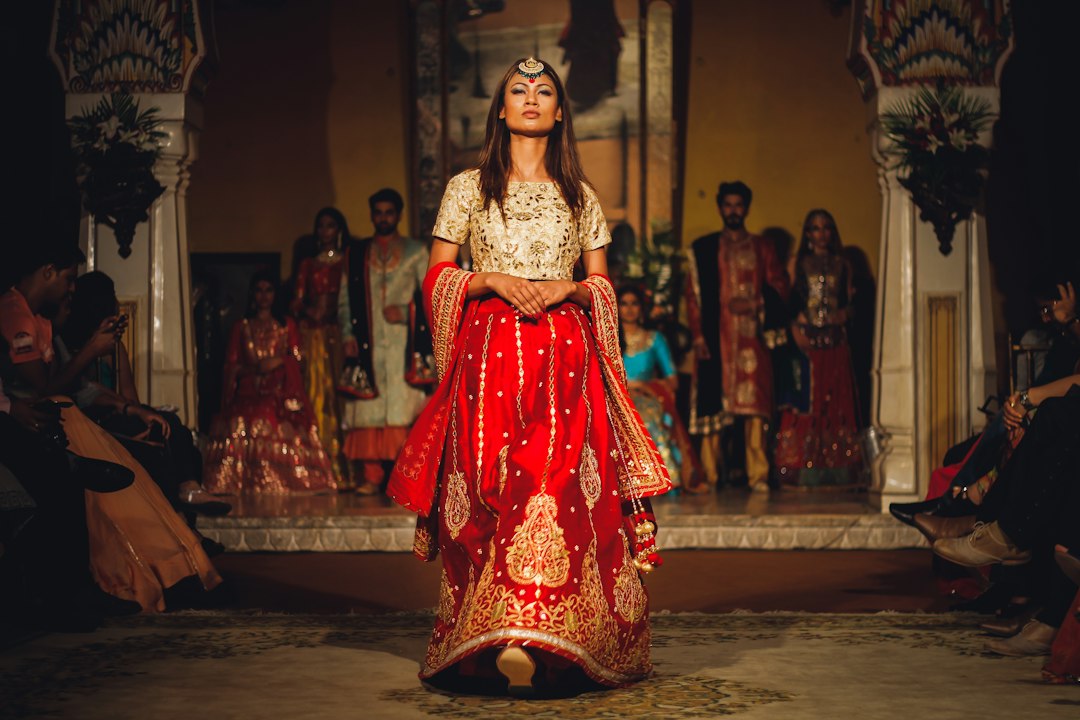
High-profile fashion shows have begun to highlight Indian craftsmanship, with Dior’s recent runway event at the Gateway of India serving as a prime example. The collection featured sari-inspired skirts and Nehru-collar jackets, showcasing India’s rich textile heritage. This event marked a significant moment, placing Indian artisans in the spotlight and demonstrating their skills to a global audience. The collaboration with Dior represents a shift in how luxury brands are beginning to acknowledge the origins of their designs, moving away from a history of appropriation to one of respect and recognition.
Luxury brands are increasingly recognizing the value of Indian craftsmanship. For instance, Fendi’s recent partnership with Chanakya has resulted in collections that incorporate traditional embroidery techniques. The brand has publicly acknowledged the artisans behind the work, a notable departure from past practices where such contributions often went uncredited. This acknowledgment is essential, as it not only empowers the artisans but also enriches the narrative of the luxury products being created.
However, the growing visibility of Indian craftsmanship has sparked debates about appropriation and recognition. A Ralph Lauren gown faced backlash for resembling Indian zardozi embroidery without proper credit. This incident underscores the need for transparency and respect in collaborations, as the line between inspiration and appropriation can be thin. As the industry grapples with these issues, it becomes increasingly important for brands to engage in ethical practices that honor the cultural significance of the craftsmanship they utilize.
The brand has publicly acknowledged the artisans behind the work, a notable departure from past practices where such contributions often went uncredited.
Collaboration Opportunities for Artisans and Designers
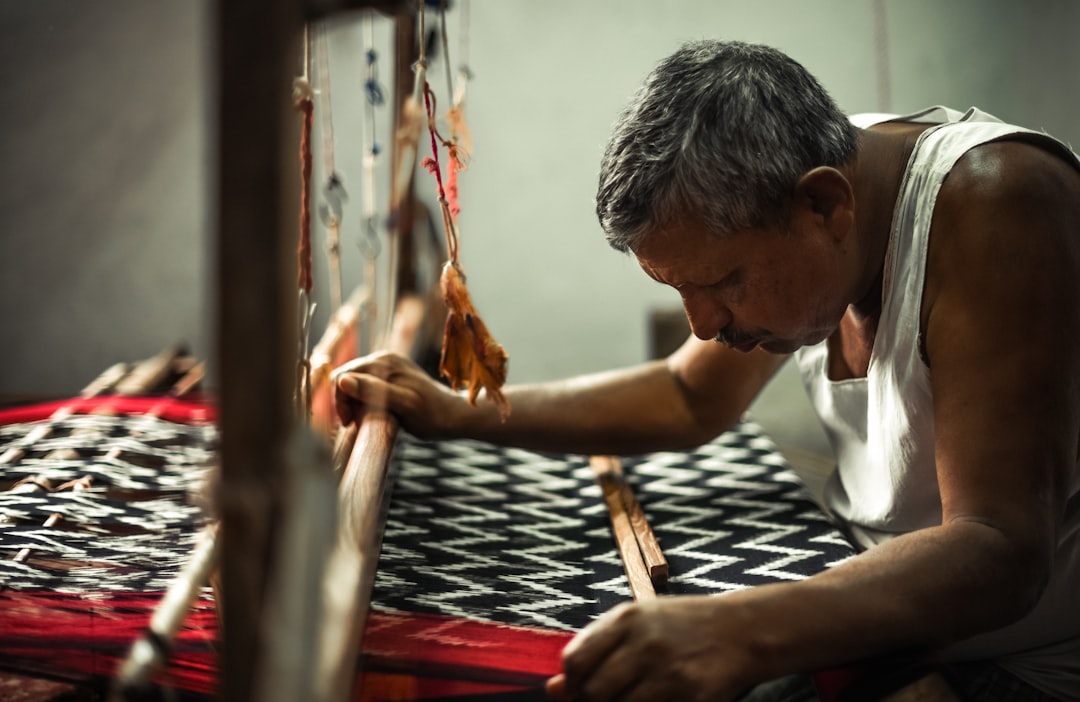
The potential for collaboration between Indian artisans and luxury fashion designers is immense. Many artisans possess skills that have been passed down through generations, making their craftsmanship unique and valuable. For instance, Chanakya International has artisans who specialize in Mughal-era embroidery techniques that are now being revived for contemporary fashion. This revival not only provides artisans with a platform to showcase their skills but also introduces consumers to the rich history behind these techniques.
These collaborations can benefit both parties. Designers gain access to unique skills that can enhance their collections, while artisans receive recognition and fair compensation for their work. This mutual benefit can lead to sustainable practices in the fashion industry, where the focus shifts from mass production to quality craftsmanship. Institutions like the Kalhath Institute in Lucknow are also playing a crucial role in fostering these collaborations. By pairing global artists with local artisans, they create an environment where traditional skills can be preserved and adapted for modern fashion.
Furthermore, the growing interest in sustainable fashion aligns with the principles of Indian craftsmanship. As consumers become more aware of the impact of their purchases, there is a shift towards valuing handmade, unique products over mass-produced items. This trend presents a significant opportunity for artisans to market their skills effectively to luxury brands. The rise of social media has enabled artisans to share their stories and showcase their work to a global audience. Platforms like Instagram have become powerful tools for artisans to connect with consumers directly, bypassing traditional retail channels.
Challenges and Ethical Considerations
Despite the positive developments, the journey towards recognition and fair treatment of Indian artisans is fraught with challenges. The fashion industry must navigate the complexities of cultural appropriation and ensure that artisans receive proper credit for their contributions. The backlash against brands like Ralph Lauren and Fendi highlights the need for greater transparency and ethical practices in collaborations.
As luxury brands continue to incorporate Indian craftsmanship, the potential for future collaborations grows, offering artisans greater opportunities and visibility. The unique skills of Indian artisans are not just a trend but a vital component of the luxury fashion narrative. As brands seek to differentiate themselves, the demand for authentic, handcrafted products will likely increase, further integrating artisans into the global fashion landscape.
Future of Indian Craftsmanship in Luxury Fashion
As the luxury fashion market evolves, the role of artisans will become even more critical. Their skills and knowledge are essential for creating products that resonate with consumers seeking authenticity and quality. The future of luxury fashion may depend on the continued collaboration between designers and artisans, ensuring that craftsmanship remains at the forefront of the industry. The question remains: how will luxury brands balance the demand for unique craftsmanship with the pressures of mass production? The answer could redefine the landscape of the fashion industry in the coming years.
This trend presents a significant opportunity for artisans to market their skills effectively to luxury brands.
Frequently Asked Questions
What are the key trends in luxury fashion influenced by Indian craftsmanship?
Luxury fashion is increasingly embracing unique craftsmanship, with Indian artisans gaining recognition for their skills. Collaborations between luxury brands and Indian artisans are on the rise, emphasizing the importance of authenticity and cultural heritage.
How can artisans in handicrafts market their skills to luxury brands?
Artisans can leverage social media platforms to showcase their work and connect with luxury brands. By effectively communicating their unique skills and heritage, artisans can attract the attention of designers looking for authentic craftsmanship.
What should luxury fashion designers consider when collaborating with Indian artisans?
Designers should prioritize transparency and respect in their collaborations with Indian artisans. Acknowledging the contributions of artisans and ensuring fair compensation is essential for fostering sustainable partnerships in the fashion industry.
Written by Career Ahead AI. AI can make mistakes, so verify key facts. Report errors to support@careeraheadonline.com.