No products in the cart.

India’s Space Startup Prepares for Historic Private Rocket Launch

India's leading space startup is on the verge of launching the country's first private rocket, marking a pivotal moment in its aerospace industry.

Thiruvananthapuram, India — India’s top-funded space startup, Agnikul Cosmos, is on the brink of a historic milestone: the country’s first private rocket launch, scheduled for November 2025. This event marks a significant leap for India’s burgeoning space sector, which has seen increased investment and innovation in recent years.
Why does this matter? The launch not only showcases the capabilities of private enterprises in a country traditionally dominated by government-led space missions but also highlights the growing importance of private-sector involvement in global aerospace advancements. As nations worldwide race to establish a foothold in space exploration and commercialization, India’s move could catalyze further investment in its tech ecosystem.
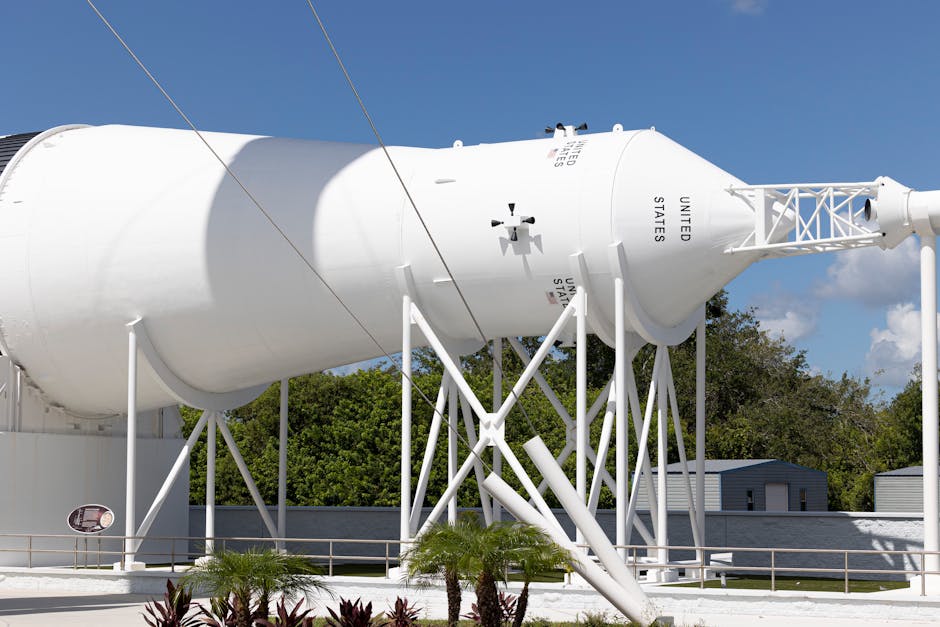
Agnikul Cosmos, founded in 2017, has attracted over $11 million in funding from various investors, including prominent venture capital firms like Speciale Invest and the Indian Angel Network. Their upcoming launch of the Agnibaan rocket signifies the culmination of years of development and testing, positioning the company as a key player in the international market for small satellite launches.
Background on India’s space initiatives reveals a robust framework supported by the Indian Space Research Organisation (ISRO), which has historically dominated the sector. In 2020, ISRO launched a record 300 satellites in a single mission, showcasing its capabilities and setting a high bar for private players. However, the growing demand for satellite deployment has opened doors for startups like Agnikul, which aim to provide more flexible and cost-effective launch options.
This growth is fueled by increasing demand for satellite services in sectors like telecommunications, agriculture, and disaster management.
According to a report by the Indian Space Association, the Indian space sector is projected to grow to $13 billion by 2025, driven largely by private sector participation. This growth is fueled by increasing demand for satellite services in sectors like telecommunications, agriculture, and disaster management.
You may also like
 AI & Technology
NYU's Gary Marcus on AI development concerns
Gary Marcus, a prominent figure in AI research, emphasizes the urgent need for improved safety protocols and ethical considerations in AI development. His insights reflect…
Read More →Industry experts believe that Agnikul’s success could inspire a slew of new startups in the space sector, replicating models seen in the United States and Europe. “India has a rich talent pool and an emerging ecosystem that can support innovative startups,” says Suresh Narayanan, a venture capitalist specializing in aerospace technology. “If Agnikul can achieve a successful launch, it will serve as a beacon for others.”
However, challenges remain. The regulatory environment in India has been slow to adapt to the rapid pace of technological advancement in the space sector. Critics argue that without streamlined regulations, startups may face hurdles that could stifle innovation. The government has begun addressing these concerns through initiatives aimed at reducing bureaucratic red tape and encouraging private investment.
Furthermore, Agnikul is not alone in this venture. Other startups, such as Skyroot Aerospace and SatSure, are also making strides in the industry. Skyroot, which aims to launch its Vikram rocket soon, has garnered attention for its innovative approach to rocket design. This competitive landscape could spur further advancements and collaborations, enhancing India’s position in the global aerospace market.
Looking ahead, if Agnikul’s launch is successful, it may not only validate the capabilities of private companies but also attract foreign investment and partnerships. The potential for collaboration with international players could lead to technological exchanges that benefit the entire industry.
Looking ahead, if Agnikul’s launch is successful, it may not only validate the capabilities of private companies but also attract foreign investment and partnerships.
As India’s space sector continues to evolve, the implications for career development and education are significant. Universities and institutions must adapt their curricula to prepare a workforce equipped with the necessary skills for this high-tech industry. The growing demand for engineers, scientists, and technicians will create numerous opportunities for young professionals in the years ahead.
In this rapidly changing landscape, the emphasis on innovation and entrepreneurship will be vital. The success of startups like Agnikul could inspire a new generation of entrepreneurs to venture into the aerospace sector, further enriching India’s technological landscape. As the country prepares for its first private rocket launch, the world watches closely, eager to see how this pivotal moment will unfold and what it could mean for the future of space exploration.
You may also like
 Entrepreneurship & Business
Bajaj Finance set to mop up Rs 17,500 crore via QIP, warrants
Bajaj Finance plans to raise ₹17,500 crore through a qualified institutional placement (QIP) and warrants, marking its first major capital raise since November 2023. This…
Read More →