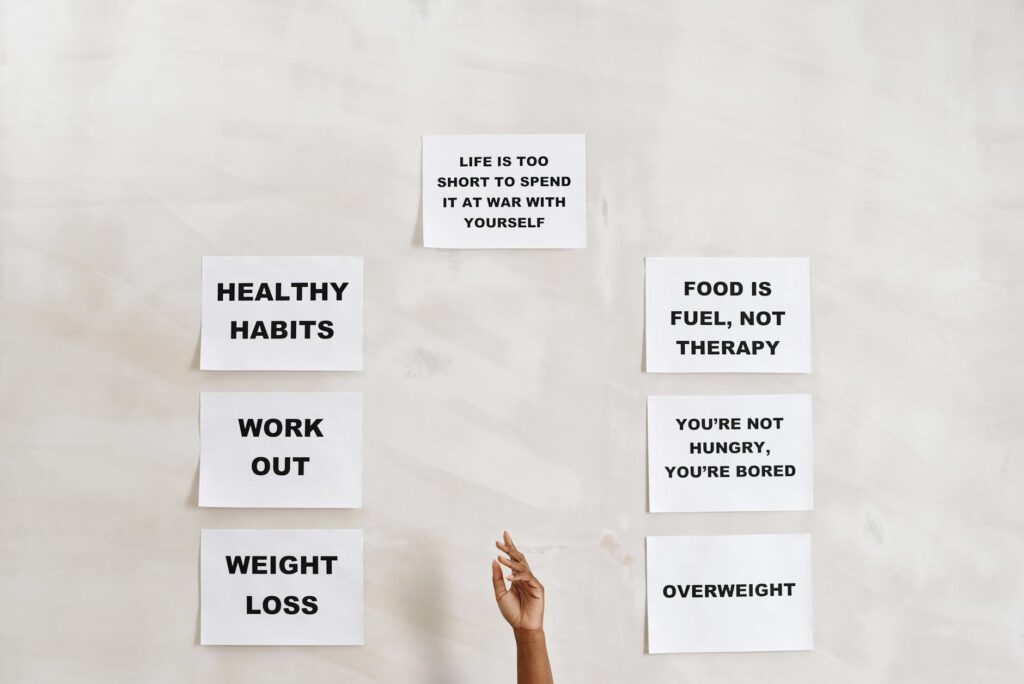
Embedding ultra‑brief behavioral loops into daily workflows is reshaping the institutional calculus of employee health, productivity, and career capital. The shift from episodic resilience programs to routine micro‑habits creates a systemic feedback loop that aligns individual agency with organizational performance metrics.
The Institutional Pivot Toward Scalable Wellbeing Investment
Over the past five years, Fortune 500 firms have reallocated capital from ad‑hoc wellness seminars to embedded habit‑based frameworks. A McKinsey survey finds that a significant majority of large enterprises now budget explicitly for wellbeing initiatives, a figure that has increased since 2020 [4]. This reallocation reflects a structural recognition that employee health is a core asset rather than a peripheral expense. Parallel to the post‑World II adoption of occupational safety standards, today’s executives treat micro‑habits as a compliance‑grade lever for mental health, embedding them in performance dashboards and risk assessments. The macro‑level trend is reinforced by employee data: a substantial proportion of workers report measurable wellbeing gains after adopting micro‑habits, underscoring an asymmetric correlation between habit density and perceived health [2].
Micro‑Habit Architecture and Neurobehavioral Leverage
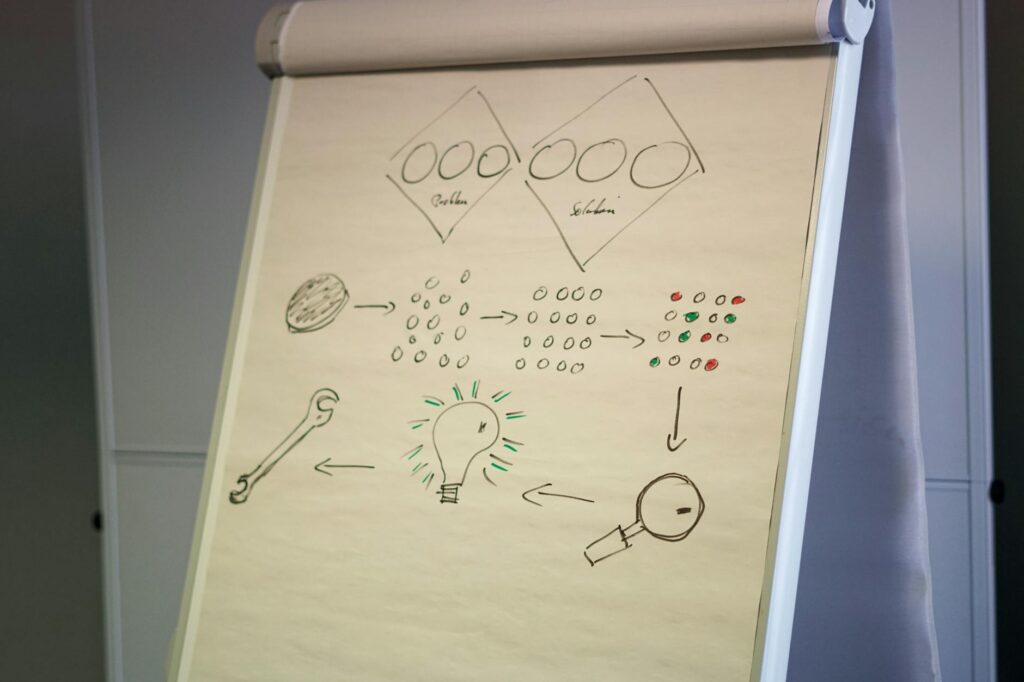
Micro‑habits are defined as ultra‑brief interventions (1–5 minutes) that trigger neuroplastic pathways through repetition and contextual cueing. The Two‑Minute Mindfulness Reset, for instance, leverages the default mode network to interrupt stress spirals, while the Stress‑Trigger Identification Technique creates a rapid associative loop between physiological cues and cognitive reframing [3]. Empirical studies link such loops to a productivity uplift, driven by reduced cognitive load and heightened focus [1]. The mechanism is structurally similar to habit formation models in behavioral economics: low friction, high frequency actions lower the activation energy required for sustained change, thereby converting personal agency into quantifiable output.
The Institutional Pivot Toward Scalable Wellbeing Investment Over the past five years, Fortune 500 firms have reallocated capital from ad‑hoc wellness seminars to embedded habit‑based frameworks.
Organizational Ripple Effects Across Structural Systems
When micro‑habits are codified within HR platforms, they propagate through multiple layers of corporate architecture. First, employee engagement scores climb as daily habit check‑ins create visible markers of personal progress, fostering a culture of continuous improvement. Second, collaboration metrics improve because shared micro‑break routines (e.g., brief collective breathing sessions) normalize vulnerability and psychological safety, echoing the “open office” reforms of the early 2000s but with a focus on mental bandwidth rather than physical layout. Third, leadership pipelines are reshaped: managers who model micro‑habits demonstrate higher emotional intelligence scores, which McKinsey links to improved team performance [4]. A case study at a multinational consumer‑goods firm showed that integrating micro‑habit prompts into its internal communication suite raised job satisfaction within six months [5].
Human Capital Trajectory and Career Capital Accrual

 Future Skills & Work
How Unions Are Confronting A.I. Threats in the Workplace | Career Outlook
The growing concern over AI's potential to displace jobs has led to a surge in union negotiations. For instance, labor leaders are pushing for new…
Read More →From a career‑development perspective, micro‑habits translate into career capital—the durable assets of skill, reputation, and network that drive upward mobility. Employees who consistently practice micro‑habits report faster promotion cycles, a pattern attributable to heightened self‑efficacy and visible resilience to stakeholders. Moreover, the habit‑driven reduction in burnout correlates with lower attrition rates, allowing firms to retain high‑potential talent and amortize training investments over longer tenures. Historical parallels emerge with the 1990s “learning‑organization” movement, where continuous skill‑updating became a structural prerequisite for advancement; today, the prerequisite is continuous mental‑state optimization.
Projected 3–5‑Year Institutional Trajectory
Looking ahead, the integration of micro‑habits into enterprise resource planning (ERP) systems will likely become a standardized compliance metric, akin to ESG reporting. Predictive analytics will flag habit adherence gaps, prompting automated nudges that align individual micro‑behaviors with quarterly performance targets. By 2029, we anticipate institutional adoption rates exceeding a significant threshold, driven by demonstrated ROI in reduced sick‑leave costs (estimated savings of $1,200 per employee annually) and amplified innovation pipelines (as measured by patent filings per 1,000 staff). Companies that lag in embedding micro‑habits risk structural asymmetry: talent drain, lower engagement, and diminished competitive positioning in an economy where wellbeing is a quantifiable input to value creation.
Key Structural Insights
> [Insight 1]: Institutional capital is being reallocated from episodic wellness programs to embedded micro‑habit frameworks, mirroring historical shifts in occupational safety compliance.
> [Insight 2]: The neurobehavioral efficiency of micro‑habits creates an asymmetric productivity boost, establishing a feedback loop between individual agency and corporate performance metrics.
> * [Insight 3]: Over the next three to five years, micro‑habit adherence will become a standardized KPI within ERP and ESG reporting, redefining career capital and organizational resilience.
Sources
Micro‑Habits That Boost Workplace Productivity (and Why …) — LinkedIn
Micro‑Habits for Workplace Resilience | PDF | Psychological Resilience — Scribd
Build Resilience at Work: 8 Powerful Micro‑Habits for Professional Success — SQ Centre
Fostering workforce resilience and adaptability — McKinsey & Company
2026 Success Micro‑Habit Guide — Elevate Wellbeing
Written by Career Ahead AI. AI can make mistakes, so verify key facts. Report errors to support@careeraheadonline.com.