No products in the cart.

India’s Surprise Growth Market Is China But Trade Deficits Swell
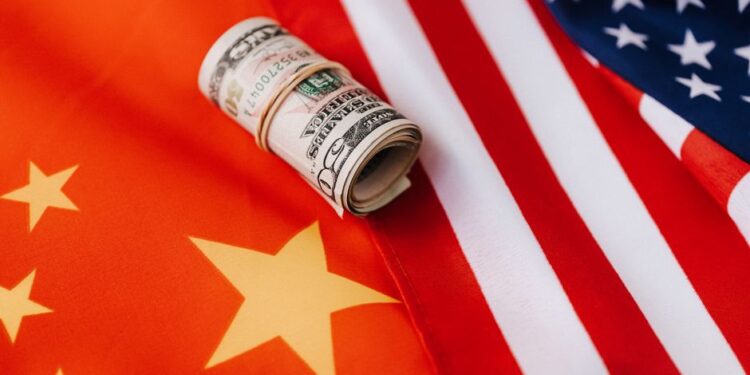
The growing trade deficit is not just a number on paper; it reflects deeper economic realities and strategic shifts.

India’s trade deficit with China has reached a concerning level. Reports show a significant increase in this gap over the past year. By 2026, the trade deficit is expected to exceed $60 billion. This is due to imports from China outpacing exports. This trend poses serious challenges for Indian import-export managers and supply chain analysts.
The growing trade deficit is more than just numbers. It reflects deeper economic realities and strategic shifts. As India relies more on Chinese goods, many sectors face rising costs and supply chain vulnerabilities. This situation calls for a reevaluation of sourcing strategies and pricing models. According to a report from the BBC, demand for electronic goods and machinery from China is rising. These items are critical for India’s growing tech sector.
Understanding the Impact of Trade Deficits on Pricing Strategies
The increasing trade deficit with China is forcing Indian businesses to rethink pricing strategies. As imports become more expensive due to tariffs and fluctuating exchange rates, companies face a dilemma. They must decide whether to absorb costs or pass them on to consumers. Career Ahead’s analysis shows that businesses relying heavily on Chinese imports may need to adjust their pricing models to stay competitive. This is especially true in sectors like electronics and textiles, where margins are already thin.
For import-export managers, this means carefully assessing cost structures and market positioning. Companies that can absorb some costs may keep their market share. However, those that cannot will likely see a decline in sales. This shift in pricing strategy requires a deep understanding of both domestic and international market trends. Furthermore, the Maps of India highlights that the Indian government is considering measures to protect local industries. This could include increased tariffs on Chinese goods, complicating pricing strategies for import-export managers.
The impact of trade deficits goes beyond immediate pricing concerns. Companies must also think about long-term sustainability. This includes investing in local manufacturing to reduce dependency on imports. As the government promotes Make in India initiatives, businesses may find opportunities to innovate and produce goods domestically. The push for local manufacturing is not just a response to trade deficits but also a strategic move to enhance national security and economic independence.
As the government promotes Make in India initiatives, businesses may find opportunities to innovate and produce goods domestically.
You may also like
 Industry & Global Trends
Kerala Student Secures Rs 43 LPA Job
Athul Krishna, an engineering graduate from Kerala, has secured a job with Mercedes-Benz in Germany, earning Rs 43 lakh annually. His journey exemplifies the potential…
Read More →In response to these challenges, many companies are exploring alternative sourcing options. This includes diversifying suppliers and looking to other countries for imports. By reducing reliance on Chinese goods, companies can mitigate risks linked to trade deficits. This diversification helps businesses spread their risk across multiple markets, which is especially beneficial during geopolitical tensions.
Shifts in Sourcing from China: Opportunities for Local Manufacturing
The growing trade deficit with China has led many Indian companies to shift their sourcing strategies. Faced with rising costs and supply chain disruptions, businesses are increasingly turning to local manufacturing. Career Ahead research shows that this trend is about reducing costs and enhancing supply chain resilience. The Indian government has launched initiatives to boost domestic production capabilities.
Local manufacturing offers several advantages. These include reduced lead times and lower transportation costs. Companies can respond more quickly to market demands and adapt to changes in consumer preferences. This agility is crucial in today’s fast-paced business environment, where delays can lead to lost sales. Moreover, the Indian manufacturing sector is thriving, with investments from both domestic and foreign players eager to meet the demand for locally produced goods.
The Indian government has introduced various incentives to promote local manufacturing. Initiatives like Production Linked Incentive (PLI) schemes encourage companies to invest in domestic production. This creates a favorable environment for businesses to explore local sourcing options and reduce reliance on imports. However, transitioning to local manufacturing has its challenges. Companies need to invest in technology, workforce training, and infrastructure to compete effectively. This shift requires a strategic approach, with import-export managers playing a key role in identifying opportunities and managing the transition.
As businesses embrace local manufacturing, there is also a growing demand for skilled professionals in supply chain management.
As businesses embrace local manufacturing, there is also a growing demand for skilled professionals in supply chain management. Import-export managers must adapt their skills to navigate this evolving landscape. They should focus on local sourcing, logistics, and production management. Developing local talent is crucial, ensuring the workforce can handle the complexities of modern supply chains.
The implications of India’s trade deficit with China extend beyond individual businesses. They also affect the broader economy. A sustained trade deficit can lead to currency depreciation, impacting inflation and purchasing power. As the value of the Indian Rupee declines, the cost of imports rises, worsening the trade deficit. This creates a challenging environment for businesses and consumers, as rising costs can lead to decreased consumer spending and slower economic growth.
You may also like
 Industry & Global Trends
The Impact of South Korea’s Chip Exports on Engineering Careers
South Korea's semiconductor exports have reached unprecedented levels, highlighting a significant increase in demand for specialized skills in engineering and supply chain management. This growth…
Read More →Moreover, the trade imbalance raises concerns about the long-term sustainability of economic growth. If the trend continues, India may struggle to achieve its economic goals, including self-reliance and sustainable development. The government must take proactive measures to address these issues. This includes fostering innovation and supporting local industries. For import-export managers and supply chain analysts, these economic dynamics present both challenges and opportunities. Understanding the larger economic context is essential for making informed decisions about sourcing and pricing strategies. Companies that navigate these complexities will be better positioned to thrive in a competitive market.
In conclusion, the rising trade deficit with China is reshaping India’s import-export landscape. As businesses adapt, there is a growing focus on local manufacturing and strategic sourcing. The next few years will be critical for import-export managers as they work to mitigate risks and seize new opportunities. It remains to be seen how quickly businesses can pivot to local manufacturing and whether government initiatives will effectively support this transition. The evolving trade dynamics will continue to influence the strategies of import-export managers and supply chain analysts across India.
Frequently Asked Questions
What strategies should import-export managers adopt in light of trade deficits with China?
Import-export managers should focus on diversifying sourcing strategies, exploring local manufacturing options, and monitoring pricing trends. By adapting to changing market conditions, they can better navigate the challenges posed by rising trade deficits.
Import-export managers should focus on diversifying sourcing strategies, exploring local manufacturing options, and monitoring pricing trends.
How can supply chain analysts mitigate risks associated with increased trade deficits?
Supply chain analysts can mitigate risks by enhancing supply chain resilience. This can be done through supplier diversification and investing in local production capabilities. This proactive approach will help companies respond effectively to market fluctuations.

What should import-export managers do about sourcing from China amid rising trade costs?
Import-export managers should evaluate alternative sourcing options and consider local manufacturing to reduce dependency on Chinese goods. This strategic shift can help manage costs and enhance supply chain efficiency.
You may also like
 Industry & Global Trends
US Diesel Tops $6.50 a Gallon as Wars Worsen Global Fuels Crunch
The escalation in diesel prices has been attributed to a combination of factors, including conflicts in oil-producing regions and rising global demand.
Read More →