No products in the cart.

India’s Trade Data Shows Export Gains
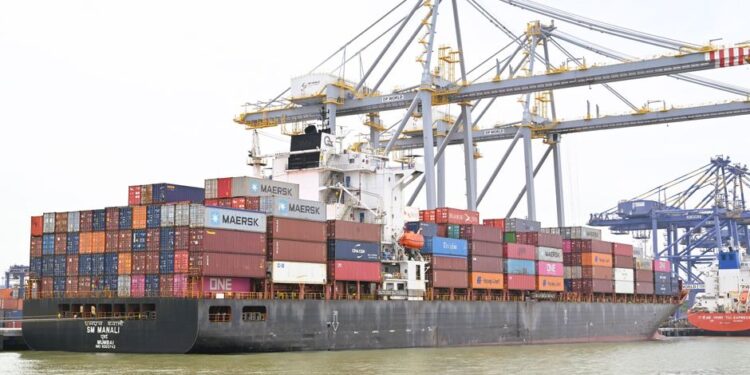
India's merchandise exports increased by 15.5% in June 2026, reflecting a resilient manufacturing sector amidst rising trade deficits. The growth in non-petroleum exports and the service sector indicates diversification, crucial for long-term economic stability.

India’s merchandise exports increased by 15.5% in June 2026, according to the government. This growth shows a rising demand for Indian goods. However, the trade deficit surged by 430% during the same period. The increase in exports is notable given geopolitical tensions in West Asia and domestic challenges like a weak monsoon. According to The Hindu, this rise in exports reflects a resilient manufacturing sector. It shows India’s potential as a key player in international trade.
The trade data reveals that while the trade deficit has widened, its composition offers a clearer picture. Most of the increase in imports came from crude oil, gold, fertilizers, and electronic goods. Crude oil imports rose by 40% in June, mainly due to rising global prices. This situation has made India more reliant on imports for energy needs. It highlights the complexities of the current trade environment. As noted by DD News, rising energy import costs significantly impact India’s trade balance. This situation calls for a strategic approach to energy sourcing and consumption.
Export Growth Amidst Trade Challenges
Despite the rising trade deficit, India’s export performance remains strong. Non-petroleum exports grew by 16.5% in June, showing diversification in exported goods. This growth proves that Indian exporters can adapt quickly to changing global market demands. The data shows that exports to every region, except West Asia, have increased. This suggests a strategic shift in trade relationships. Diversifying exports is crucial as it reduces dependency on specific sectors and opens new markets, which is vital for long-term growth.
Diversifying exports is crucial as it reduces dependency on specific sectors and opens new markets, which is vital for long-term growth.
Career Ahead’s analysis indicates that the export increase is not just due to rising petroleum prices. It also reflects a broader trend of diversification. For example, the electronics sector has seen significant growth, driven by domestic manufacturing initiatives. The government’s decision to remove customs duties on essential components for electronics manufacturing will likely boost this sector further. This policy is part of a larger strategy to enhance India’s manufacturing capabilities. Chief Economic Adviser V. Anantha Nageswaran emphasizes the need for a competitive environment for domestic industries.
You may also like
 Industry & Global Trends
PB Fintech Profit Surges 92% Amid Insurance Growth
This surge in profitability is particularly relevant for insurance agents and financial analysts, as it highlights the growing opportunities within the insurance sector.
Read More →Moreover, the service export sector is growing, albeit at a slower pace of 2.9% in June. This still indicates potential for future growth. Chief Economic Adviser V. Anantha Nageswaran stresses the need for ongoing efforts to enhance India’s capabilities in Global Capability Centres. He warns that complacency could hinder progress. Although modest, the growth in services reflects a shift toward a more service-oriented economy. This shift could provide additional avenues for export growth in the future.
Export managers and international trade analysts should consider these trends. Diversifying exports opens new markets and reduces dependency on specific sectors. This shift requires reevaluating strategies and focusing on emerging opportunities in various industries. Adapting to these changes will be crucial for exporters looking to take advantage of India’s growing presence in international markets.
Implications for Supply Chain and Trade Policy
The increase in export volumes is also impacting supply chain logistics in India. As demand for Indian goods rises, supply chains must adapt to ensure timely delivery and quality. This is especially important in the electronics sector, where the government encourages local manufacturing of components to reduce import dependency. This push for local sourcing aligns with the Atmanirbhar Bharat initiative. It aims to make India self-reliant in various sectors, enhancing supply chain resilience.
Export managers and international trade analysts should consider these trends.
India’s trade policies are evolving in response to these changes. The government’s focus on self-reliance, or Atmanirbhar Bharat, aims to strengthen domestic manufacturing. This policy shift is evident in recent decisions to eliminate customs duties on essential components for electronics. This will likely enhance the competitiveness of Indian manufacturers. Furthermore, the trade data suggests that the Indian government may need to reassess its import policies. With the significant rise in the trade deficit, especially from crude oil and gold imports, there is an urgent need to explore alternative energy sources and promote local production of critical goods.
As supply chain specialists, understanding these shifts is crucial for anticipating changes in logistics and procurement strategies. The rise in export volumes requires a more integrated approach to supply chain management. This approach should focus on local sourcing and efficiency improvements. The current trade landscape presents both challenges and opportunities for export managers and analysts. Navigating these changes will be key to leveraging India’s growing presence in international markets.
You may also like
 Industry & Global Trends
Regulatory capture fuels industry‑led standards in emerging tech
Lobbying expenditures in digital finance have risen sharply, while think‑tank sponsorships increasingly align research agendas with industry priorities.
Read More →Looking ahead, ongoing geopolitical tensions and domestic challenges may continue to influence trade patterns. Export managers and analysts should monitor these developments closely. They could have significant implications for India’s export strategies and market access in the coming months. The interplay between global events and domestic policies will shape the future of India’s trade dynamics. It is essential for stakeholders to stay informed and agile.