No products in the cart.

Intel Stock Soars Amid AUO Deal and AI Chip Strategy | Career Outlook
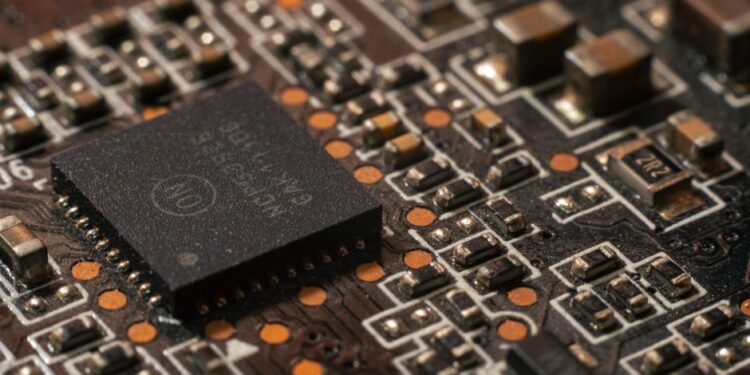
Intel's stock surged following a partnership with AUO Optronics to enhance AI chip packaging capabilities. This collaboration, alongside advancements in Intel's 18A manufacturing process, positions the company for significant growth in the semiconductor market, creating new job opportunities for hardware engineers globally.

Intel’s stock recently surged after announcing a partnership with AUO Optronics on September 21, 2026. This collaboration aims to improve Intel’s AI chip packaging capabilities, generating significant interest in Intel’s semiconductor operations. Together with advancements in Intel’s 18A manufacturing process, this deal positions the company for major growth in the semiconductor market.
The AUO partnership focuses on developing Micro LED advanced packaging technology, which is essential for high-density computing and co-packaged optics (CPO). This technology will enable faster data movement within AI data centers, crucial due to the rising demand for AI infrastructure. According to Investing.com, integrating optical and electronic components in computing systems is vital for efficient data processing.
Intel’s recent patent for an “IC Package with Micro LEDs” supports this collaboration. The technology embeds semiconductor chips into glass substrates using tiny structures called through-glass vias (TGVs) to create electrical connections. This innovation is expected to significantly enhance AI chip performance, making Intel a stronger competitor in the semiconductor landscape. A report from Construction Review Online states that this advancement is part of Intel’s strategy to innovate and maintain its leadership in the sector.
Job Growth for Hardware Engineers in Semiconductor Manufacturing
The AUO partnership and Intel’s focus on advanced chip packaging will create new job opportunities for hardware engineers. As Intel increases production, the demand for skilled engineers in advanced packaging technologies will grow. Career Ahead research indicates that the semiconductor sector will see a surge in hiring for professionals with specialized skills in AI chip development and packaging.
Intel’s 18A manufacturing technology is another key focus area. The 18A process aims to improve chip production efficiency, which is vital for meeting the growing demands of AI applications. As companies invest in AI infrastructure, hardware engineers with expertise in this area will be in high demand. Enhanced manufacturing processes will require engineers to optimize production lines and ensure quality control, creating a significant need for talent. Integrating AI into manufacturing processes is expected to streamline operations, further increasing demand for engineers who can adapt to these technologies.
With industry growth projected, those investing in their skills will find ample opportunities in this field.
Furthermore, the collaboration with AUO is likely to strengthen Intel’s foundry business, which produces chips for external customers. This expansion will likely lead to more job openings for engineers working on various semiconductor projects. The foundry model allows for greater flexibility and innovation, attracting more companies to partner with Intel. As noted by PCWorld, this shift toward foundry services is part of Intel’s strategy to diversify revenue streams and enhance its market position.
You may also like
 AI & Technology
OpenAI, Anthropic Collaborate on AI Safety Testing | Career Outlook
OpenAI and Anthropic are negotiating a landmark deal to stress-test each other’s AI models for safety risks, marking a significant shift in AI safety evaluation…
Read More →As the semiconductor industry evolves, professionals must stay updated on the latest technologies. Engineers specializing in AI chip design and advanced packaging will be at the forefront of this transformation. Ongoing advancements in semiconductor technology highlight the need for continuous learning and adaptation in this fast-paced environment. With industry growth projected, those investing in their skills will find ample opportunities in this field.
Intel’s 18A Process and Its Role in AI Chip Development
Intel’s 18A process is crucial for the future of AI chip development. This technology aims to enhance chip performance and efficiency, which is vital as AI applications grow. Improvements in chip manufacturing will enable faster processing speeds and reduced power consumption, addressing the demands of AI workloads. The 18A process is designed to help Intel produce chips that exceed the performance requirements of next-generation AI applications.
According to Tigress Financial, investing in the 18A technology is part of Intel’s strategy to regain its competitive edge in semiconductor manufacturing. As demand for AI chips rises, producing chips that meet these requirements will be essential for Intel’s success. The company’s focus on advanced manufacturing processes will likely attract new clients and projects, stimulating job growth in the sector. This strategic move is expected to position Intel favorably against competitors, leveraging technological advancements to capture a larger share of the AI chip market.
Intel’s advancements in AI chip technology align with broader trends in the semiconductor industry, where companies invest in AI-related infrastructure. The growing reliance on AI across sectors means engineers skilled in AI chip development will be in high demand. Career Ahead analysis shows that professionals navigating AI chip design and production complexities will have a competitive advantage. As AI technologies evolve, the skills required for engineers will also change, emphasizing the importance of adaptability and continuous education.

The collaboration with AUO and progress on the 18A process highlight the importance of innovation in the semiconductor industry. As Intel pushes the boundaries of chip technology, it creates an environment ripe for new job opportunities and career advancements for hardware engineers and AI chip developers. Intel’s recent stock surge reflects a positive outlook for the semiconductor industry, driven by strong demand for AI chips and advanced manufacturing technologies.
The growing reliance on AI across sectors means engineers skilled in AI chip development will be in high demand.
Future Prospects for Engineers in the Semiconductor Sector
You may also like
 AI & Technology
Solo founders drive new era of MSME growth
According to Career Ahead's analysis of the 2026 Startup Genome data, AI‑enabled solo ventures.
Read More →The landscape of semiconductor manufacturing is changing rapidly, and Intel’s strategic moves are setting the stage for future developments. As the company explores new partnerships and technologies, the question remains: how will these advancements shape the job market for engineers in the coming years?
Intel’s focus on innovation and collaboration with AUO is expected to create a ripple effect throughout the semiconductor industry. As companies increasingly rely on AI technologies, the demand for skilled engineers will only grow. Those who invest in their education and stay abreast of technological advancements will be well-positioned to take advantage of the opportunities that arise.
In conclusion, Intel’s partnership with AUO and advancements in the 18A process signify a robust future for hardware engineers and AI chip developers. As the semiconductor industry continues to evolve, professionals must remain adaptable and proactive in their career development to thrive in this dynamic environment.
Frequently Asked Questions
What opportunities does Intel’s AUO deal create for hardware engineers?
Intel’s AUO partnership is expected to create new job openings for hardware engineers, especially in advanced chip packaging technologies. As Intel increases production capabilities, engineers with specialized skills in AI chip development will be in high demand.
What skills are needed for engineers to work on Intel’s 18A technology?
How can AI chip developers leverage Intel’s advancements?
AI chip developers can take advantage of Intel’s progress in the 18A process and advanced packaging technologies. Improvements in chip performance and efficiency will create opportunities for developers to design more effective AI applications.
What skills are needed for engineers to work on Intel’s 18A technology?
You may also like
 AI & Technology
Anthropic Pursues IPO Despite Its A.I. Safety Warnings | Career Outlook
Anthropic, a leading AI research company, is pursuing an initial public offering (IPO) amid growing concerns about AI safety. This decision raises critical questions about…
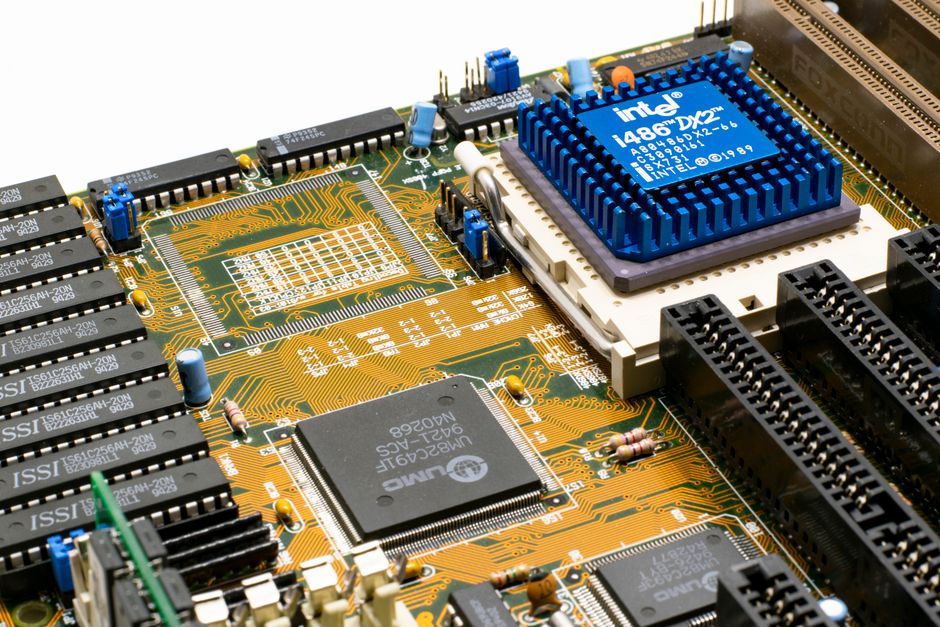
Read More →Engineers working on Intel’s 18A technology will need expertise in semiconductor manufacturing processes, AI chip design, and advanced packaging techniques. Staying updated on the latest technological advancements will be crucial for success in this evolving field.