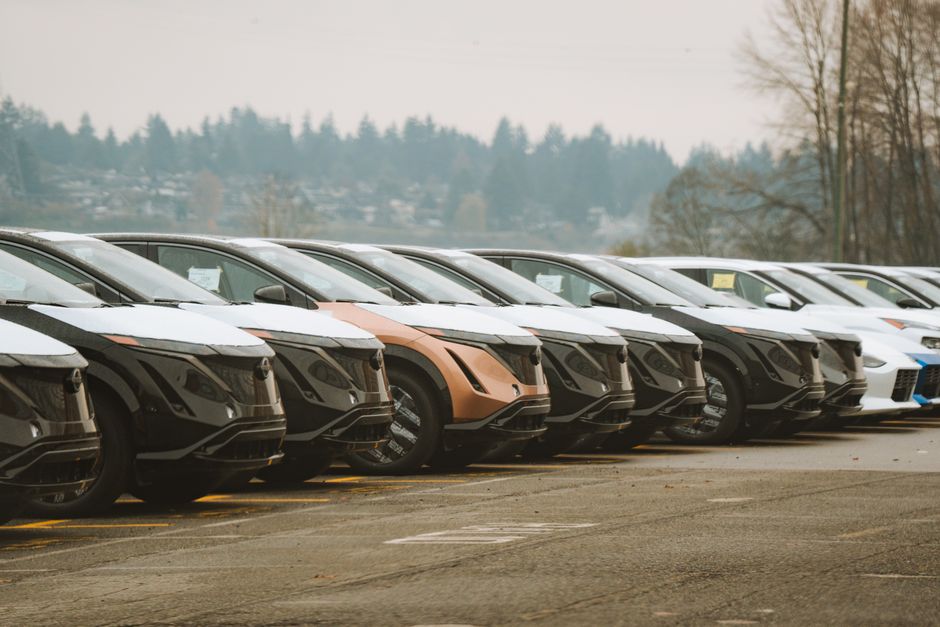
India’s automotive sector saw a big rise in wholesales in June 2026. This increase shows strong consumer demand. Major companies like Maruti Suzuki, Tata Motors, and Mahindra & Mahindra reported impressive growth. The demand for electric vehicles was particularly notable. This trend continues despite economic challenges, such as rising energy prices from geopolitical tensions.
Maruti Suzuki, the market leader, reported wholesales of 200,390 units in June. This is a 19% increase from last year. Passenger vehicle sales rose by 24%, reaching 147,187 units. The company also saw a 13% increase in exports, totaling 42,768 units. However, Maruti still faces a significant order backlog, indicating ongoing demand for its models. The company has managed to maintain production levels despite supply chain disruptions, as noted in a recent report by The Hindu.
Tata Motors also reported strong growth, with wholesales hitting 63,083 units, a 69% increase year-on-year. Electric vehicle sales surged by 183%, with 14,800 units sold. Shailesh Chandra, the MD and CEO of Tata Motors Passenger Vehicles, said this growth came from strong customer demand and successful new launches. This reinforces the company’s leadership in electric mobility. Tata’s focus on expanding its electric vehicle lineup has positioned it well in a fast-changing market, as noted by industry analysts.
Mahindra & Mahindra recorded total vehicle sales of 106,207 units, marking a 37% increase. In the domestic market, utility vehicle sales reached 60,393 units, reflecting a 28% rise. The company noted strong demand across its portfolio. CEO Nalinikanth Gollagunta stated that corrective measures are being taken to boost production to meet demand. This proactive approach is crucial as the automotive landscape becomes more competitive, with companies competing for market share in both traditional and electric vehicle segments.
Career Ahead Analysis of Market Trends
Career Ahead’s analysis shows that the rise in auto wholesales is likely not just a temporary spike. It reflects a shift in consumer preferences towards electric vehicles. As more consumers choose EVs, automotive sales managers must adjust their sales strategies. They should focus on the features and benefits of electric vehicles and tailor marketing strategies to the growing interest in sustainable mobility. Data from National Urban League indicates that job growth in green technologies, including electric vehicles, is driving this shift as consumers become more aware of environmental issues.
Additionally, the data suggests that automotive professionals should prepare for a more competitive market.
 Industry & Global Trends
Oil and Gas Prices Surge Amid Middle East Shipping Attacks
The attacks in the Strait of Hormuz have triggered a significant rise in oil prices, impacting bond yields and stock markets globally.
Read More →Additionally, the data suggests that automotive professionals should prepare for a more competitive market. As companies like Tata Motors gain traction in the EV segment, established players may need to innovate and enhance marketing efforts to keep their market share. This could involve investing in new technologies and improving customer engagement strategies to meet changing consumer needs. Competition now involves not just vehicle performance but also brand perception and consumer loyalty, increasingly influenced by sustainability practices.
Supply chain analysts will play a key role in meeting growing demand in the automotive sector. With rising sales figures, efficient logistics and supply chain adjustments are urgent. Companies must ensure timely vehicle delivery to meet consumer expectations while managing production constraints. Global supply chain disruptions have highlighted the need for local sourcing and manufacturing, as noted in a recent report by Staffing Industry Analysts.
Moreover, automotive marketing specialists should take advantage of the current demand surge. They need to create targeted campaigns that resonate with consumers. Highlighting the benefits of electric vehicles, such as lower running costs and environmental impact, will be crucial in attracting buyers. The focus should also be on digital marketing strategies, as more consumers turn to online platforms for research and purchasing decisions. Engaging content that educates consumers about EV advantages can enhance brand loyalty and drive sales.
Wider Implications for the Automotive Industry
The implications of this surge in auto wholesales go beyond individual companies. The automotive sector’s growth positively impacts the overall economy, especially in job creation and technological advancements. As companies invest in electric vehicle production and infrastructure, related industries like battery manufacturing and renewable energy will also benefit. This interconnectedness highlights the need for a strong supply chain to support the growing demand for EVs.
Furthermore, the rising consumer preference for electric vehicles aligns with global sustainability goals. This shift may prompt government policy changes, encouraging further investment in EV infrastructure and consumer incentives. As the market adapts, automotive professionals must stay informed about potential regulatory changes that could affect their strategies. The increasing focus on sustainability will likely influence not just consumer choices but also corporate strategies, as companies align with broader environmental objectives.
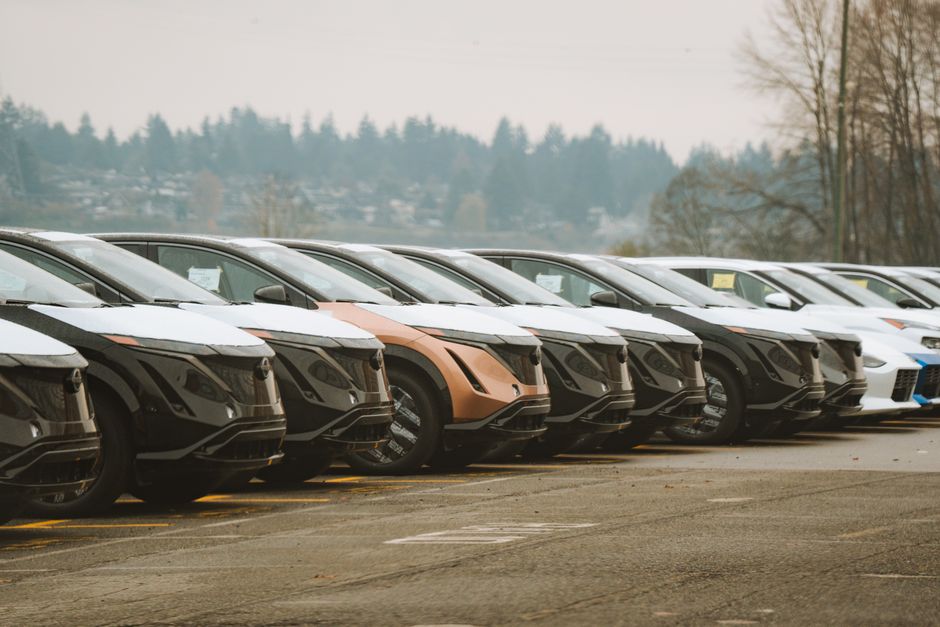 Industry & Global Trends
Auto Retail Sales Surge 32%
The two-wheeler segment alone saw retail sales of 1,790,188 units, a remarkable 33.08% increase compared to the same month last year.
Read More →In conclusion, the surge in auto wholesales in June 2026 marks a key moment for the Indian automotive industry. With strong demand for electric vehicles and significant growth from major manufacturers, the landscape is changing quickly. Automotive professionals must remain agile and responsive to these changes to seize future opportunities. As demand for electric vehicles rises, how will traditional automakers adjust their strategies to compete in this new market? The coming months will be crucial for understanding the long-term effects of this shift on the automotive industry.
As the market adapts, automotive professionals must stay informed about potential regulatory changes that could affect their strategies.
Frequently Asked Questions
What strategies should automotive sales managers implement to maximize sales during high demand?
Sales managers should highlight the unique features of their vehicles, especially electric models, to attract buyers. They should ensure their inventory matches consumer preferences and that they can meet increased demand.
How can supply chain analysts optimize logistics in response to increased auto wholesales?
Supply chain analysts can optimize logistics by improving coordination with suppliers and enhancing inventory management systems. This will ensure timely delivery of vehicles and components, helping companies meet consumer demand effectively.
What marketing tactics should automotive marketing specialists adopt to align with current consumer trends?
Marketing specialists should use digital marketing strategies to reach consumers effectively. Highlighting the benefits of electric vehicles and creating engaging online content can help attract buyers and drive sales.
Written by Career Ahead AI. AI can make mistakes, so verify key facts. Report errors to support@careeraheadonline.com.