No products in the cart.

Iran’s Control Over the Strait of Hormuz Threatens Gulf Oil Security

Iran's dominance over the Strait of Hormuz poses significant risks to the energy security of Gulf states, including Kuwait, Bahrain, and Qatar. This geopolitical tension could lead to increased oil prices and strategic shifts in energy policy, making it essential for industry stakeholders to understand these dynamics.

Iran’s control over the Strait of Hormuz is a critical factor threatening the energy security of Gulf states such as Kuwait, Bahrain, and Qatar. This strategic waterway is vital for global oil supply, with approximately 20% of the world’s oil passing through it. As tensions escalate, the potential for a blockade or military conflict looms, raising alarms among energy policy researchers and industry leaders.
The geopolitical landscape surrounding the Strait of Hormuz is complex. Iran’s influence over this crucial chokepoint allows it to manipulate oil prices and exert pressure on Gulf states. Recent statements from U.S. officials indicate a renewed focus on Iran’s actions, further complicating the situation. The implications of this control extend beyond the region, affecting countries that rely heavily on Middle Eastern oil.
Impact of Geopolitical Tensions on Oil Prices
The ongoing tensions between Iran and Gulf states have a direct correlation with fluctuations in oil prices. Analysts warn that any increase in military activity or threats to shipping routes could lead to significant spikes in oil prices. For instance, a blockade of the Strait of Hormuz could disrupt supply chains, resulting in immediate price increases that would reverberate through global markets.
Research from the Washington Institute highlights that Iran’s refusal to relinquish control over the Strait heightens the risk of conflict, which could have dire consequences for countries dependent on oil imports. Rising oil prices could destabilize economies, leading to inflation and shifts in energy policies worldwide.
Gulf states face unique challenges in navigating Iranian threats. Nations like Kuwait and Qatar are heavily reliant on oil exports, necessitating a delicate balance in their diplomatic relations with Iran while safeguarding their energy security. Increased military spending and alliances with Western powers may alter the geopolitical landscape, but these strategies come with their own risks and uncertainties.
In light of potential disruptions, Gulf states are exploring alternative oil transport routes, such as pipelines through neighboring countries. However, these solutions require substantial investment and time, leaving them vulnerable in the short term. As tensions rise, developing contingency plans becomes increasingly urgent.
Gulf states face unique challenges in navigating Iranian threats.
Gulf States’ Strategic Responses
You may also like
 News
NewsBloomberg This Weekend 10/4/2026
The launch comes at a time when media consumption patterns are rapidly changing. Viewers increasingly prefer on-demand content and real-time updates, prompting networks like Bloomberg…
Read More →In response to the threats posed by Iran’s control over the Strait of Hormuz, Gulf states are actively seeking strategies to mitigate risks associated with potential supply disruptions. Enhancing military capabilities and forming partnerships with global powers are central to their approach.
Kuwait, for example, is strengthening its military ties with the United States to bolster its defense against possible Iranian aggression. This partnership not only enhances Kuwait’s security but also sends a clear message to Iran that any aggressive actions could provoke a strong U.S. response.
Additionally, Gulf states are investing in diversifying their energy sources. By exploring renewable energy options and increasing domestic production, they aim to reduce their dependence on oil exports. This shift aligns with global trends and helps protect against geopolitical tensions.
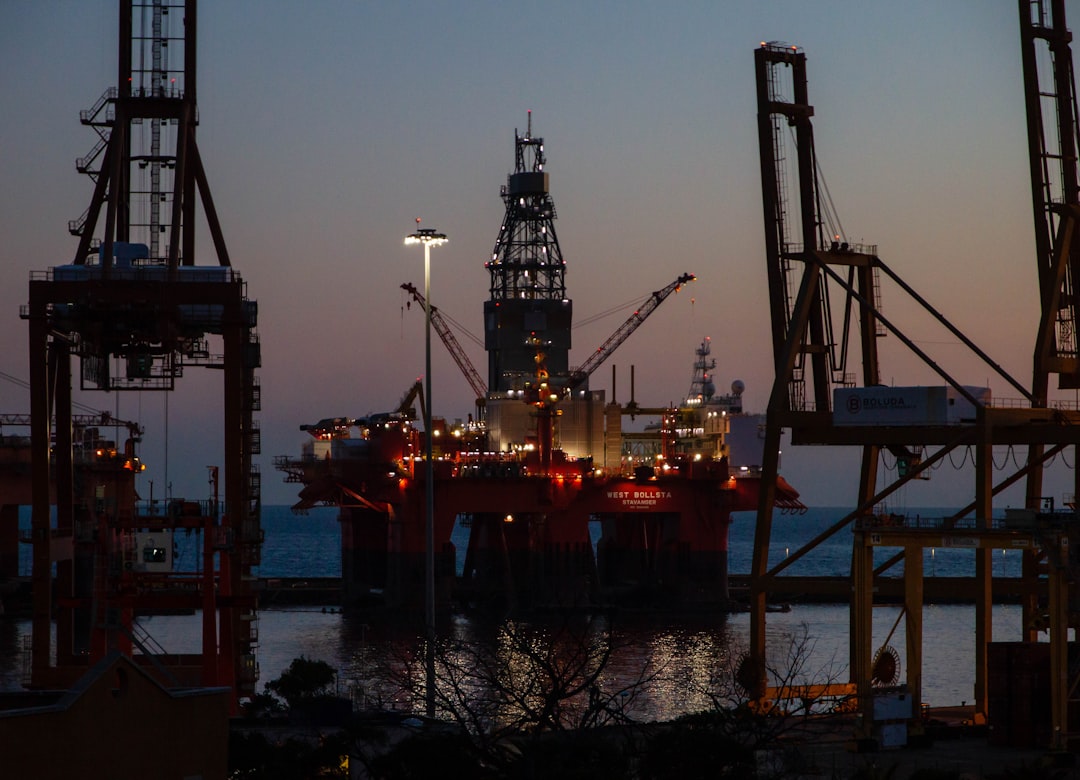
The Gulf Cooperation Council (GCC) is poised to play a crucial role in uniting member states. By coordinating defense strategies and energy policies, the GCC can present a united front against Iranian threats. This collective approach is essential for ensuring the region’s long-term energy stability.
As oil prices rise, industries reliant on stable energy costs may face significant challenges, potentially leading to inflation and slower economic growth.
Global Market Implications
Iran’s control over the Strait of Hormuz has far-reaching implications for global oil markets and energy policies. Analysts warn that a major disruption in oil supply could lead to higher prices and economic instability in oil-importing countries.
As oil prices rise, industries reliant on stable energy costs may face significant challenges, potentially leading to inflation and slower economic growth. Countries with limited energy reserves may be particularly vulnerable, prompting policymakers to reevaluate their energy strategies.
The geopolitical ramifications of a potential blockade could also shift alliances and trade agreements. Nations may seek to diversify their energy sources, looking for alternative suppliers or investing in domestic production to reduce reliance on Middle Eastern oil.
You may also like
 News
NewsJobs Slow but Inflation Keeps Fed on Alert
In September, the economy added just 150,000 jobs, a stark contrast to the 200,000 jobs analysts had predicted. This slowdown comes amid ongoing inflationary pressures,…
Read More →Energy executives must remain vigilant in monitoring these developments. Understanding the connection between geopolitical tensions and oil supply security is crucial for making informed decisions in a volatile market. As the situation evolves, new alliances and partnerships may emerge, reshaping the global energy landscape.
The ongoing situation in the Strait of Hormuz underscores the fragility of global oil supply chains and the necessity for strategic planning. Industry stakeholders must prepare for potential disruptions and consider innovative solutions to ensure energy security.
Frequently Asked Questions
What are the potential impacts of a blockade on oil prices?
A blockade of the Strait of Hormuz could lead to significant spikes in oil prices due to disrupted shipping routes. Analysts suggest that such an event could raise prices by up to 30% in the short term, affecting global markets.
Energy executives should closely monitor geopolitical developments and assess their potential impacts on supply chains.
How can Gulf states mitigate risks associated with Hormuz?
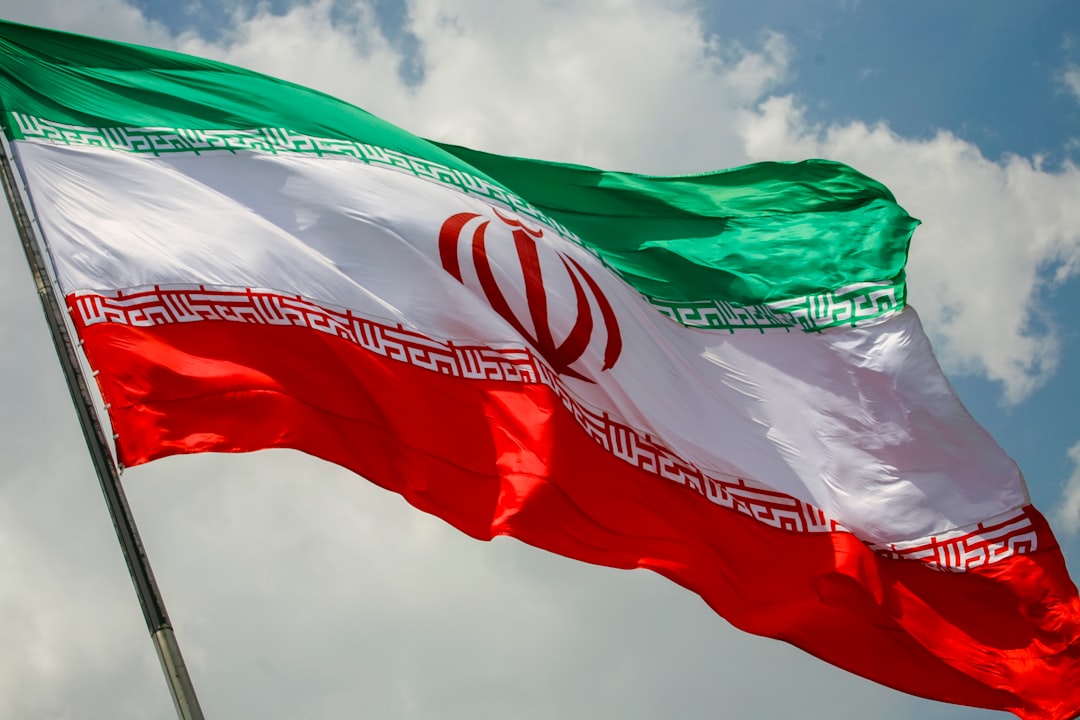
Gulf states can reduce risks by enhancing military capabilities, diversifying energy sources, and forming strategic alliances. Collective defense strategies among GCC members are crucial for presenting a united front against Iranian threats.
What strategies should energy executives consider in light of Iranian leverage?
Energy executives should closely monitor geopolitical developments and assess their potential impacts on supply chains. Investing in alternative energy sources and strengthening partnerships with non-Middle Eastern suppliers may be prudent strategies moving forward.
Sources: Washington Institute, Time, The Guardian, WNCRI.
You may also like
 News
NewsUAE may halt UK investments after Manchester City guilty verdict
The UAE's potential withdrawal of investments in the UK, following Manchester City's guilty verdict for financial breaches, could significantly impact the sports and real estate…
Read More →