No products in the cart.

It and the New Career Landscape
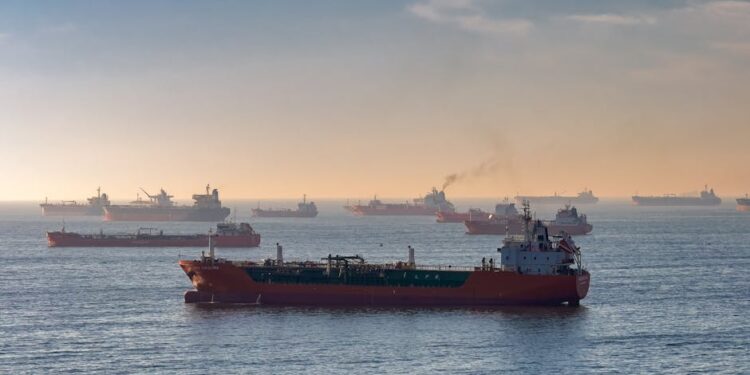
As tensions rise in the Middle East, the Strait of Hormuz faces threats that could disrupt global trade. This vital waterway handles about 20% of the world's oil supply. A blockade here would not only spike oil prices but also have ripple effects across various industries, leading to increased costs…

As tensions rise in the Middle East, the Strait of Hormuz faces threats that could disrupt global trade. This vital waterway handles about 20% of the world’s oil supply. A blockade here would not only spike oil prices but also have ripple effects across various industries, leading to increased costs for consumers.
The potential for a blockade comes at a time when global economies are still recovering from the impacts of the COVID-19 pandemic. The war in Iran has already constrained oil supplies, pushing prices to levels not seen in years. According to Bloomberg, this situation threatens to remake global supply chains and hike the price of nearly everything you buy.
Impact on Oil Prices and Consumer Goods
Oil prices have surged as fears grow over the security of the Strait of Hormuz. Reports indicate that oil prices could rise by as much as 25% if shipping routes are blocked. This increase will directly affect gas prices at the pump, which have already been climbing due to inflation and supply chain issues.
But the implications extend far beyond just oil. Many goods rely on oil for production and transportation. For instance, food prices could rise as transportation costs increase. The U.S. Department of Agriculture has noted that higher fuel costs lead to increased prices for agricultural products, affecting everything from grains to livestock.
Moreover, a spike in oil prices can lead to increased production costs for manufacturers. This could result in higher prices for electronics, clothing, and other consumer goods. The interconnectedness of global supply chains means that disruptions in one area can have cascading effects throughout the economy.
But the implications extend far beyond just oil.
You may also like
 Government & Policy
Indian Bonds Face Turning Point
The anticipated tightening of monetary policy is particularly pertinent for financial analysts and corporate treasurers who must adapt their strategies to the evolving economic landscape.
Read More →As consumers, the impact of these price increases will be felt directly in our wallets. With inflation already a concern, rising prices could lead to decreased purchasing power and a shift in consumer behavior.
Geopolitical Tensions and Market Reactions
The geopolitical landscape surrounding the Strait of Hormuz is complex. Iran’s military capabilities and strategic positioning give it significant leverage over this crucial passage. The U.S. and its allies have ramped up military presence in the region to deter potential actions by Iran. However, the effectiveness of these measures remains uncertain.
Market reactions to these tensions are immediate and volatile. Stock prices for energy companies often rise with the anticipation of higher oil prices, while broader market indices may decline as investors fear the economic fallout. According to BBC reports, global funds are already fleeing certain markets, such as Indian stocks, due to fears of an energy shock stemming from the U.S.-Iran conflict.
Investors are closely monitoring the situation, looking for indicators of whether the conflict will escalate or de-escalate. The uncertainty creates a challenging environment for businesses and consumers alike. Companies may need to adjust their forecasts and strategies based on the potential for fluctuating costs and supply chain disruptions.
The uncertainty creates a challenging environment for businesses and consumers alike.
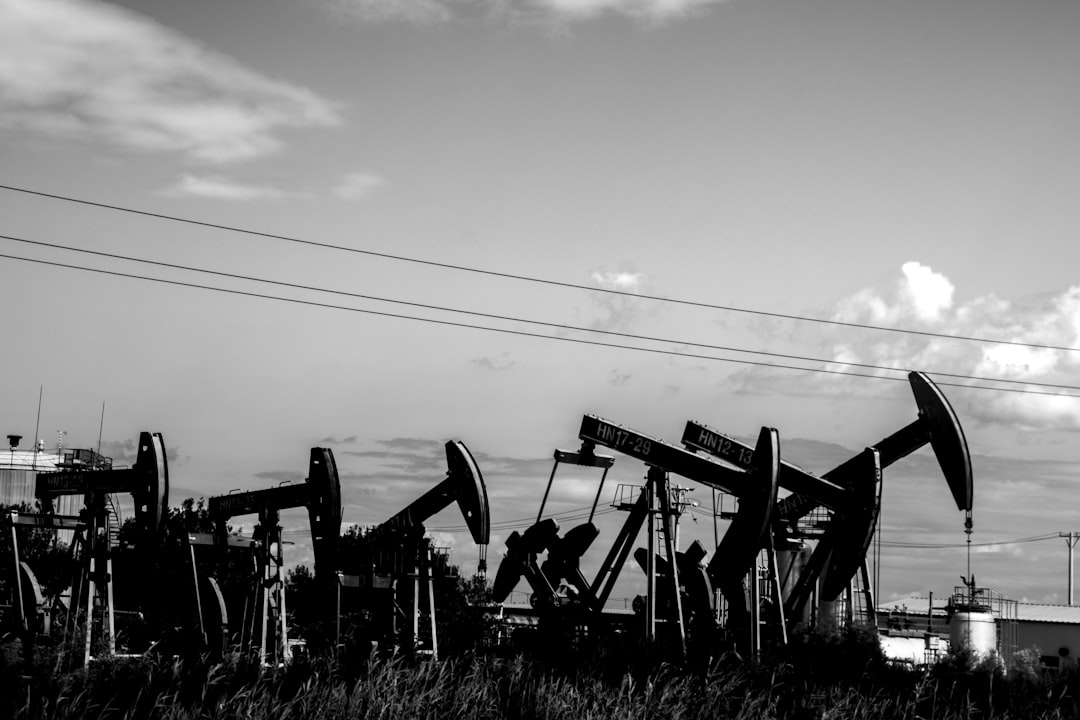
As these geopolitical tensions unfold, the global economy remains on edge. The potential for conflict could lead to a prolonged period of instability, affecting not just oil prices but the overall market landscape.
You may also like
 Government & Policy
Fed, ECB Minutes to Show Inflation Fears as Hike Bets Fade
This development is crucial for understanding the current economic landscape. The Fed's and ECB's communications suggest that inflation remains a top priority, impacting their decisions…
Read More →Long-Term Implications for Global Supply Chains
The long-term implications of a blockade in the Strait of Hormuz could reshape global supply chains. Companies that rely heavily on oil and goods transported through this route may need to rethink their logistics strategies. This could lead to increased costs and longer delivery times as businesses seek alternative routes.
Moreover, the shift in supply chains could accelerate trends already underway, such as the push for renewable energy sources. As the world grapples with the instability of oil supplies, there may be greater investment in alternative energy solutions. This shift could ultimately lead to a more diversified energy portfolio for many countries.

In addition, businesses may need to consider the geopolitical risks associated with their supply chains. Companies that operate in or source materials from regions prone to conflict may need to develop contingency plans to mitigate risks. This could involve diversifying suppliers or investing in local production capabilities.
The question remains: how will businesses and consumers adapt to these challenges in the near future?
Ultimately, the situation in the Strait of Hormuz serves as a reminder of the fragility of global supply chains. As consumers, we may see the effects of these disruptions in our everyday lives, from higher prices to potential shortages of goods.
The threat of a blockade in the Strait of Hormuz is not just an oil issue; it poses significant risks to the global economy and consumer prices. As we navigate this uncertain landscape, understanding the interconnectedness of our economy is crucial. The question remains: how will businesses and consumers adapt to these challenges in the near future?
As highlighted by Bloomberg, the ripple effects of a blockade could extend to various commodities beyond oil, impacting everything from metals to agricultural products. The interconnected nature of global trade means that a disruption in one key area can lead to shortages and price hikes across the board. For instance, if shipping routes are compromised, the transportation of essential goods could face delays, leading to scarcity in markets that depend on timely deliveries.
You may also like
 Government & Policy
Korea Orders Security Checks After Finance-Sector Data Breaches
The government’s directive requires financial institutions to implement comprehensive security protocols to protect customer data and maintain trust in the financial system.
Read More →Furthermore, the potential for increased military presence in the region could also escalate tensions, leading to further instability. As reported by BBC, soaring pump prices have already driven U.S. inflation to its highest level in almost two years, showcasing how quickly economic conditions can shift in response to geopolitical events. The ongoing situation in the Strait of Hormuz serves as a critical reminder of how intertwined global economies are and the far-reaching consequences that can arise from localized conflicts.