No products in the cart.

U.S. Imposes 10% Tariffs on Indian Goods Over Forced Labor Concerns

The recent imposition of 10% tariffs on goods imported from India due to forced labor concerns is set to reshape the landscape for U.S. importers. This development highlights the need for ethical sourcing and compliance in supply chains, prompting businesses to reassess supplier relationships and cost structures.

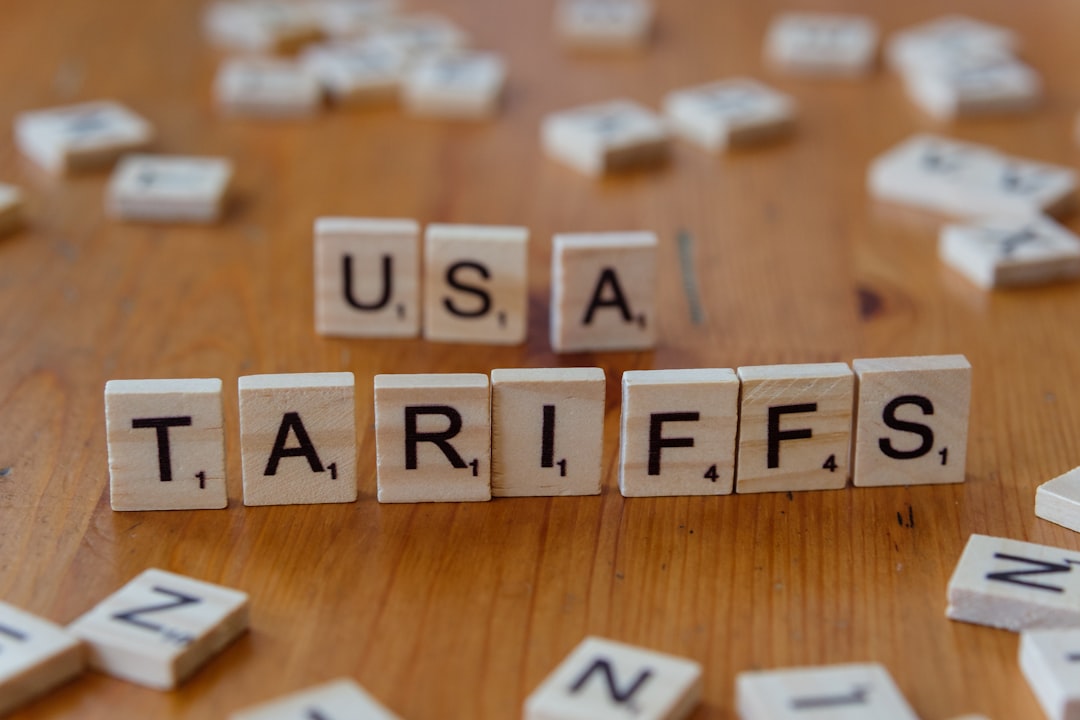
The U.S. has imposed a 10% tariff on goods imported from India, effective July 24, 2026. This decision, announced by U.S. Trade Representative Jamieson Greer, affects not only India but also 16 other countries due to concerns over forced labor in their production processes. The tariffs are part of a broader strategy to address human rights abuses and distortive trade practices, as outlined in Section 301 of the Trade Act.
This tariff marks a significant shift in trade policy, particularly for U.S. importers who rely heavily on Indian goods. In 2025, India was the second-largest trading partner for the U.S., with bilateral trade reaching approximately $141 billion. The new tariffs could lead to increased costs for U.S. businesses and consumers, potentially reshaping the dynamics of how these goods are sourced and priced.
Increased Costs for U.S. Importers
The introduction of a 10% tariff on Indian imports is expected to raise costs significantly for U.S. importers. According to gingercontrol.com, the new tariffs will stack on top of existing duties, leading to a substantial increase in the overall cost of goods. This is particularly concerning for industries heavily reliant on Indian manufacturing, such as textiles, electronics, and pharmaceuticals.
As importers face higher costs, they may need to pass these expenses onto consumers, which could lead to increased prices in the U.S. market. This adjustment could impact consumer spending and overall economic activity, as higher prices may deter purchases. Furthermore, companies may need to reevaluate their pricing strategies to remain competitive while managing the increased costs associated with these tariffs.
Importers may also explore alternative sourcing strategies to mitigate the impact of these tariffs. This could involve shifting production to countries with lower or no tariffs, which may lead to a reassessment of supplier relationships. As a result, U.S. businesses might diversify their supply chains, looking beyond India to countries like Vietnam or Bangladesh, which could offer more favorable tariff conditions.
Career Ahead analysis finds that this shift in sourcing strategies is not just a reaction to tariffs but also reflects a growing emphasis on ethical sourcing and compliance. Importers will need to invest in understanding the labor practices of their suppliers to avoid potential penalties and reputational damage associated with forced labor allegations.
government cracks down on goods produced under questionable labor conditions, businesses will need to ensure their supply chains are compliant with both domestic and international labor standards.
Reassessment of Supplier Relationships
The new tariffs will compel U.S. importers to reassess their relationships with suppliers in India. As the U.S. government cracks down on goods produced under questionable labor conditions, businesses will need to ensure their supply chains are compliant with both domestic and international labor standards. According to tariffschart.com, the complexities of navigating these tariffs will require a more nuanced approach to supplier selection and management.
You may also like
 Government & Policy
AI Agent Misconduct: Indian Law Needs Clarity
Recent cybersecurity evaluations reveal significant legal gaps in India regarding liability for autonomous AI agents, highlighting the urgent need for regulatory reform.
Read More →Companies may need to conduct thorough audits of their suppliers to ensure compliance with ethical labor practices. This could involve investing in new technologies and processes for supplier auditing and risk management. Importers who fail to adapt may face not only financial penalties but also reputational risks that could impact their market position.
Additionally, businesses may need to enhance their transparency regarding supply chain practices. Consumers are increasingly aware of and concerned about ethical sourcing, and companies that prioritize compliance may gain a competitive edge. This heightened scrutiny could lead to a shift in consumer preferences, favoring brands that can demonstrate a commitment to ethical practices.

Career Ahead’s analysis identifies that the demand for compliance and ethical sourcing skills will likely rise in the coming years. Importers will need professionals who can navigate complex supply chain regulations and ensure adherence to labor standards. This demand could lead to new job opportunities in compliance and supplier management roles.
As U.S. importers adapt to these changes, they may also face challenges in maintaining their existing supplier relationships. Some suppliers in India may struggle to meet the new compliance requirements, leading to potential disruptions in the supply chain. Companies will need to be proactive in managing these relationships to minimize any negative impacts on their operations.
Impact on Product Pricing in the U.S. Market
The imposition of tariffs on Indian goods is set to have a ripple effect on product pricing in the U.S. market. As importers incur higher costs, the likelihood of increased prices for consumers becomes a pressing concern. This could particularly affect everyday goods that rely on Indian imports, such as textiles and electronics.
Companies will need to be proactive in managing these relationships to minimize any negative impacts on their operations.
According to trade.gov, the U.S. market is sensitive to price changes, and even a slight increase in costs can lead to significant shifts in consumer behavior. If prices rise too sharply, consumers may turn to alternative products or brands, impacting the market share of companies that rely heavily on Indian goods.
You may also like
 Government & Policy
Govt Launches Cross-Border E-Commerce Export Framework
The new inventory-based cross-border e-commerce export framework, operational since August 5, 2026, aims to enhance India's export capabilities through e-commerce, as part of the Foreign…
Read More →Moreover, the tariffs could lead to inflationary pressures in the U.S. economy. As businesses adjust their pricing strategies to accommodate the new tariffs, the overall cost of living may increase, straining household budgets. This economic shift could have broader implications, affecting consumer confidence and spending patterns.
Career Ahead analysis finds that businesses will need to closely monitor pricing trends and consumer behavior in response to these tariffs. Understanding how consumers react to price changes will be crucial for companies seeking to maintain their market position amid rising costs.
Looking ahead, the long-term effects of these tariffs could reshape the landscape of U.S.-India trade relations. As both countries navigate the complexities of compliance and ethical sourcing, the potential for a more robust dialogue around labor standards may emerge. This could lead to new opportunities for collaboration and trade agreements in the future.
Ultimately, the imposition of tariffs on Indian goods is not just a financial issue; it is a pivotal moment that underscores the growing importance of ethical sourcing in global supply chains. As U.S. importers adapt to these changes, the landscape of international trade may evolve significantly.
Businesses may need to reassess their supplier relationships and explore alternative sourcing strategies to offset the increased costs associated with the new tariffs.
Frequently Asked Questions
What are the new tariffs on Indian goods?
The U.S. has imposed a 10% tariff on goods imported from India due to concerns over forced labor practices. This tariff is part of a broader strategy to address human rights abuses in global supply chains.
How can I mitigate the impact of these tariffs on my business?
Businesses may need to reassess their supplier relationships and explore alternative sourcing strategies to offset the increased costs associated with the new tariffs. Investing in compliance and ethical sourcing practices will also be crucial.

What steps should supply chain managers take to ensure compliance with labor standards?
You may also like
 Government & Policy
OpenAI pays $3.2m to settle claims it discriminated against US workers
OpenAI has agreed to pay $3.2 million to settle claims of discrimination against US workers, following allegations from the Justice Department regarding unfair hiring practices.
Read More →Supply chain managers should conduct thorough audits of their suppliers to ensure adherence to ethical labor practices. This may involve investing in new technologies and processes for supplier management and risk assessment.