It’s No Wonder Grads Are Booing Their Commencement Speakers
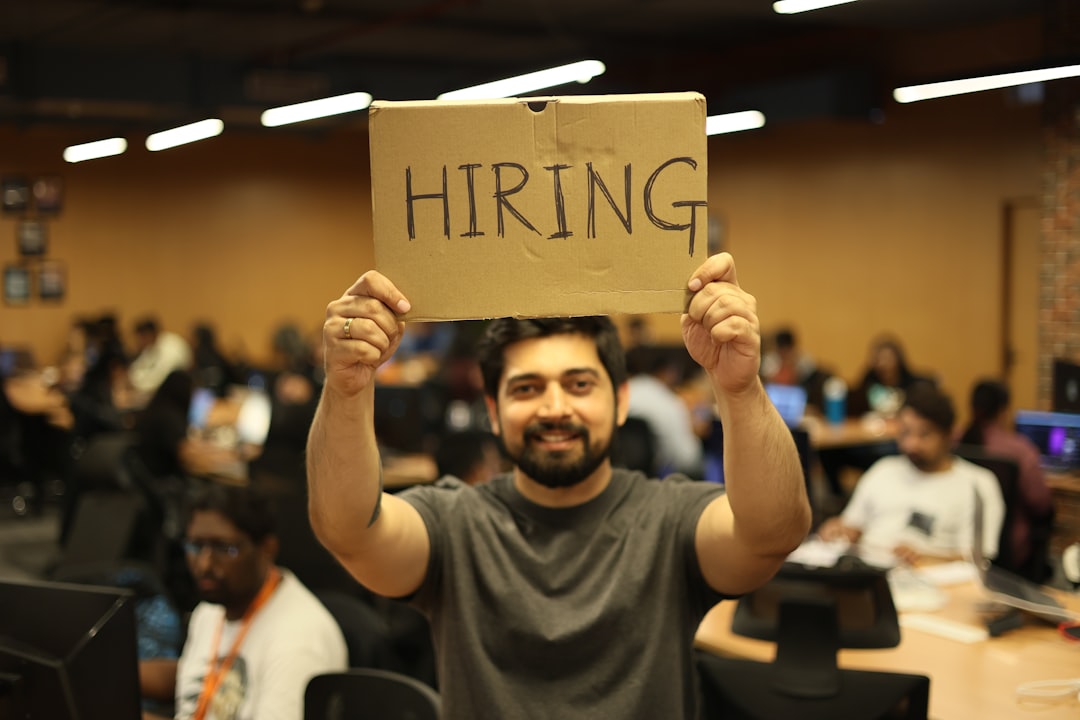
The trend of using AI in recruitment has accelerated rapidly. Companies are now employing algorithms to sift through resumes, assess candidates, and even conduct initial interviews.
Graduates across the globe are expressing their discontent regarding the increasing reliance on artificial intelligence (AI) in hiring processes. As companies seek to streamline recruitment through automation, many recent graduates feel that their opportunities are being undermined. This sentiment has reached a boiling point, particularly as commencement speakers at various ceremonies are met with boos from students who feel their futures are being jeopardized by technology.
The trend of using AI in recruitment has accelerated rapidly. Companies are now employing algorithms to sift through resumes, assess candidates, and even conduct initial interviews. This shift has raised concerns among graduates who believe that their skills and qualifications may be overlooked in favor of automated systems that prioritize efficiency over human judgment. As noted by Career Ahead’s analysis, the increasing automation in hiring practices is contributing to a growing divide between candidates who possess technical skills and those who excel in soft skills. This divide is particularly troubling as many graduates report feeling that their unique attributes, such as creativity and interpersonal skills, are not adequately assessed by AI systems.
The Growing Automation in Hiring
Many organizations are adopting AI technologies to improve hiring efficiency and reduce costs. According to a recent report, over 70% of companies are now using some form of AI in their recruitment processes. This trend is particularly evident in sectors such as technology and finance, where companies like Google and Goldman Sachs are leading the charge. These firms argue that AI can help eliminate bias and streamline the hiring process. However, this perspective is not shared by all. Critics argue that while AI may reduce some biases, it can also perpetuate existing ones if the algorithms are trained on biased data. This concern is echoed in a recent article from the New York Times, which highlights how graduates are increasingly wary of the fairness of AI-driven hiring practices. Graduates are increasingly concerned that the emphasis on AI-driven hiring is detrimental to their chances of securing jobs. Career Ahead research identifies a notable sentiment among graduates: many feel that their unique qualities, such as creativity and interpersonal skills, are not adequately assessed by AI systems. This has led to a sense of frustration and helplessness among job seekers, who believe that traditional methods of hiring are being replaced by impersonal algorithms.
Furthermore, the reliance on AI in recruitment raises questions about the long-term implications for job seekers. Graduates are left wondering whether they need to adapt to a new set of expectations in the job market. As organizations continue to prioritize technical skills, there is a risk that graduates who possess strong soft skills may be overlooked. This shift could lead to a significant skills gap in the workforce, as companies may prioritize candidates who are proficient in AI technologies over those who excel in communication and collaboration. The New York Times article also discusses how this shift is causing graduates to feel increasingly disconnected from the hiring process, as they perceive AI as a barrier rather than a facilitator.
As the job market evolves, recent graduates must consider how they position themselves in an increasingly automated environment. While technical skills are important, the ability to demonstrate adaptability and emotional intelligence may become equally vital. The challenge lies in balancing the demand for technical proficiency with the need for interpersonal skills that are less likely to be automated. Graduates are now tasked with not only acquiring technical knowledge but also honing their soft skills to remain competitive. This dual focus is essential as they navigate a job market that increasingly favors those who can blend both areas effectively.
While technical skills are important, the ability to demonstrate adaptability and emotional intelligence may become equally vital.
Graduate Sentiments and Response to AI in Recruitment
The frustration among graduates regarding AI in hiring is palpable. Many students have expressed their concerns during graduation ceremonies, where they have publicly booed speakers who fail to acknowledge the challenges posed by automation. This reaction highlights a broader discontent with the current state of the job market. Graduates feel that their voices are not being heard, and their concerns about job security are being dismissed. The New York Times emphasizes that this frustration is not just about job prospects; it’s also about the feeling of being sidelined in a process that is increasingly dictated by algorithms rather than human intuition.
In response to these challenges, some graduates are taking proactive steps to enhance their employability. Many are seeking out additional training in technical skills, such as coding and data analysis, to remain competitive. However, this focus on technical skills raises a critical question: are graduates neglecting the development of soft skills that are equally important in the workplace? Career Ahead analysis finds that while technical skills are essential, the ability to communicate effectively, work collaboratively, and demonstrate emotional intelligence will be key differentiators in the job market. Graduates who can showcase their soft skills alongside their technical abilities will likely have a competitive advantage in an automated hiring landscape.
Moreover, the growing concern about AI’s impact on job opportunities may lead to a shift in how educational institutions prepare students for the workforce. Universities and colleges may need to reevaluate their curricula to ensure that students are equipped with both technical and interpersonal skills. This could involve integrating more hands-on experiences, group projects, and opportunities for collaboration into academic programs. As noted in the New York Times, educational institutions must recognize the importance of preparing students not just for the jobs of today, but for the evolving landscape of work that will be shaped by technology.
The future of hiring will likely be shaped by how companies balance the use of AI with the need for human insight. As automation continues to evolve, organizations will need to consider how they can leverage technology without losing sight of the importance of human connection in the hiring process. As graduates navigate this changing landscape, they must remain adaptable and open to new opportunities that may arise as the job market evolves. The integration of AI in hiring processes presents both challenges and opportunities, and those who can effectively navigate this new reality will be better positioned for success.
Career Ahead analysis finds that while technical skills are essential, the ability to communicate effectively, work collaboratively, and demonstrate emotional intelligence will be key differentiators in the job market.
Frequently Asked Questions
What job skills should recent graduates focus on to stand out in an automated job market?
Career Ahead analysis suggests that recent graduates should focus on developing a blend of technical skills and soft skills. Proficiency in areas such as data analysis and coding, combined with strong communication and teamwork abilities, will help graduates stand out in a competitive job market.
How can college graduates prepare for a job market increasingly influenced by AI?
Graduates can prepare for an AI-driven job market by seeking out training and experiences that enhance both their technical and interpersonal skills. Engaging in internships, collaborative projects, and networking opportunities can provide valuable experience that complements their academic knowledge.
What should recent graduates do about the rise of automation in recruitment?
Recent graduates should remain informed about the evolving job market and actively seek opportunities to develop a diverse skill set. By being proactive in their career development and embracing change, graduates can better position themselves for success in an automated hiring landscape.
Written by Career Ahead AI. AI can make mistakes, so verify key facts. Report errors to support@careeraheadonline.com.
Career Ahead AI is Career Ahead Magazine's in-house AI newsroom, reporting on careers, education, jobs and business. It produces original summaries and analysis drawn from publicly available sources, with those sources credited, and operates under the editorial oversight of the Career Ahead team. AI can make mistakes, so please tell us when something looks wrong. Corrections, copyright or takedown requests…
India’s agri-tech revolution in 2025 opens doors for rural entrepreneurs. Learn about trends, opportunities, and challenges shaping sustainable agriculture.
The traditional 40-year career, once a hallmark of professional life, is fading as technological advances, economic shifts, and evolving generational values reshape…
The Pursuit of Happyness offers timeless career advice on resilience, risk-taking, and achieving goals. Learn actionable tips from Chris Gardner’s inspiring story…



Future Skills & Work
Future Skills & Work